
2,3-Diphospho-D-glyceric acid penta(cyclohexylammonium) salt
2,3-Diphospho-D-glyceric acid penta(cyclohexylammonium) salt (CAS: 62868-79-5) is a biochemical reagent with a molecular weight of 761.91 g/mol. This compound serves as a crucial cofactor in enzymatic reactions, notably for phosphoglyceric acid mutase. It is also recognised for its role in regulating hemoglobin's oxygen affinity, making it a significant reference compound in the study of erythrocyte glycolytic cycle metabolites and red blood cell health.
- IUPAC
- D-Glycerate 2,3-diphosphate pentacyclohexylamine salt
- Synonyms
- D-Glycerate 2,3-diphosphate pentacyclohexylamine salt

Reference Standard in Biochemical Assays
Utilised as a reference compound in the analysis of metabolites within the erythrocyte glycolytic cycle. It aids in the accurate quantification of D-Glycerate 2,3-diphosphate (DPG) levels.
Erythrocyte Health Status Indicator
Serves as a reference in assays designed to measure DPG levels, which can indicate the health and functional status of red blood cells (RBCs).
Enzyme Cofactor Research
Acts as a cofactor for phosphoglyceric acid mutase, facilitating its use in biochemical research investigating enzyme mechanisms and pathways.
| Molecular weight | 761.91 |
|---|---|
| Empirical formula | C3H8O10P2 · 5C6H13N |
| Assay | ≥97.0% (TLC) |
| Solubility | H2O: soluble250 mg + 5 mL, clear, colorless to very faintly yellow |
| Storage temperature | −20°C |
| Impurities tested | 3-phosphoglyceric acid, essentially free |
| Application | D-Glycerate 2,3-diphosphate (DPG), cofactor of both phosphoglyceric acid mutase and hemoglobin, may be used as a reference compound in analysis of blood cell (erythrocyte) glycolysic cycle metabolites.1 2,3-diphosphoglycerate (DPG) may be used as a reference in assays that measure DPG levels to indicate the health status of erythrocytes/red blood cells (RBC).2 |
| Protective equipment | Eyeshields, Gloves, type N95 (US), type P1 (EN143) respirator filter |
|---|---|
| Water hazard class (WGK, DE) | 3 |
Hazard information is provided for guidance. Always consult the product Safety Data Sheet (SDS), available on request, before handling.
Documentation
Every batch ships with a Certificate of Analysis covering assay, identity and purity; the grade is confirmed against your enquiry. Safety Data Sheets and technical data sheets are available on request.
Supply & logistics
Samples for technical evaluation; bulk MOQ by grade and packaging. In-stock material ships in 7–10 working days, worldwide, with full export documentation.
What is 2,3-Diphospho-D-glyceric acid penta(cyclohexylammonium) salt used for?
+
This compound is used as a reference standard in biochemical assays for analysing erythrocyte glycolytic cycle metabolites, specifically D-Glycerate 2,3-diphosphate (DPG). It also serves as a reference in assays that measure DPG levels to indicate the health status of red blood cells (RBCs).
What are the CAS number and formula for this product?
+
The CAS number is 62868-79-5. The empirical formula is C3H8O10P2 · 5C6H13N.
What grade and purity does Tech Serve Solutions supply?
+
Tech Serve Solutions supplies this product with an assay of ≥97.0% (TLC). We do not represent this product as USP, BP, EP, or other pharmacopoeia grades unless explicitly stated in the specifications.
What are the safety and handling precautions?
+
When handling, it is essential to use appropriate personal protective equipment, including eyeshields and gloves. A type N95 (US) or type P1 (EN143) respirator filter is recommended. The compound is classified under WGK-Germany 3.
Is this product suitable for human or animal consumption?
+
This product is a biochemical reagent and is not intended for human or animal consumption. It is supplied for laboratory and research use only.
How can I request a sample or quote?
+
Please contact our sales department via phone or email to request a sample or a detailed quotation for 2,3-Diphospho-D-glyceric acid penta(cyclohexylammonium) salt.
▶ Related products
![(±)-(E)-4-Ethyl-2-[(E)-hydroxyimino]-5-nitro-3-hexenamide (C8H13N3O4) — chemical structure, CAS 138472-01-2; Biochemicals & Reagents, fine chemical supplied by Tech Serve Solutions](/_next/image?url=https%3A%2F%2Fpub-f4d920c906024441a773a96f7098e551.r2.dev%2Fimages%2Fproducts%2F138472-01-2.png&w=3840&q=75)
(±)-(E)-4-Ethyl-2-[(E)-hydroxyimino]-5-nitro-3-hexenamide
C8H13N3O4
Biochemicals & Reagents![(±)-(E)-4-Ethyl-2-[(Z)-hydroxyimino]-5-nitro-3-hexen-1-yl-nicotinamide (C14H18N4O4) — chemical structure, CAS 162626-99-5; Biochemicals & Reagents, fine chemical supplied by Tech Serve Solutions](/_next/image?url=https%3A%2F%2Fpub-f4d920c906024441a773a96f7098e551.r2.dev%2Fimages%2Fproducts%2F162626-99-5.png&w=3840&q=75)
(±)-(E)-4-Ethyl-2-[(Z)-hydroxyimino]-5-nitro-3-hexen-1-yl-nicotinamide
C14H18N4O4
Biochemicals & Reagents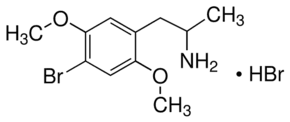
(±)-2,5-Dimethoxy-4-bromoamphetamine hydrobromide
Biochemicals & Reagents
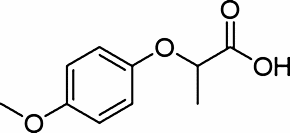
(±)-2-(p-Methoxyphenoxy)propionic acid
C10H12O4
Biochemicals & Reagents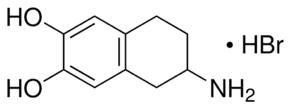
(±)-2-Amino-6,7-dihydroxy-1,2,3,4-tetrahydronaphthalene hydrobromide
C10H13NO2·HBr
Biochemicals & Reagents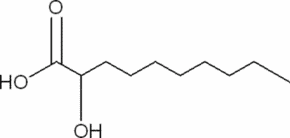
(±)-2-Hydroxydecanoic acid
C10H20O3
Biochemicals & Reagents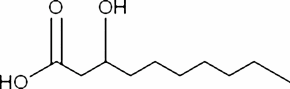
(±)-3-Hydroxydecanoic acid
C10H20O3
Biochemicals & Reagents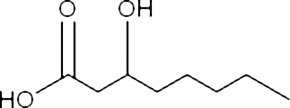
(±)-3-Hydroxyoctanoic acid
C8H16O3
Biochemicals & Reagents▶ Explore more

Bis(cyclopentadienyl)cobalt(III) hexafluorophosphate
C10H10CoF6P
Catalysis & Inorganic
1-(4-Chlorophenyl)biguanide hydrochloride
ClC6H4NHC(NH)NHC(NH)NH2 · HCl
Chemical Synthesis
Bis(cyclopentadienyl)dimethylzirconium(IV)
Catalysis & Inorganic

1-(4-Chlorophenyl)ethanol
ClC6H4CH(CH3)OH
Chemical Synthesis