
11-[5-(Dimethylamino)-1-naphthalenesulfonylamino]undecanoic acid
11-[5-(Dimethylamino)-1-naphthalenesulfonylamino]undecanoic acid (CAS: 73025-02-2; Formula: C23H34N2O4S) is a dansyl-type fluorescent probe. With a molecular weight of 434.59, this compound serves as a hydrophobic binding site probe. It is primarily utilized to identify and characterize the binding sites of medium-chain fatty acids, their derivatives, and other hydrophobic molecules on various biological targets like proteins. Its fluorescence properties make it valuable in biochemical and detection applications.
- IUPAC
- 11-(Dansylamino)undecanoic acid,DAUDA
![11-[5-(Dimethylamino)-1-naphthalenesulfonylamino]undecanoic acid (C23H34N2O4S) — chemical structure, CAS 73025-02-2; Life Science, fine chemical supplied by Tech Serve Solutions](/_next/image?url=https%3A%2F%2Fpub-f4d920c906024441a773a96f7098e551.r2.dev%2Fimages%2Fproducts%2F73025-02-2.png&w=3840&q=75)
Hydrophobic Binding Site Probe
DAUDA is employed to investigate the binding characteristics of fatty acids and related hydrophobic compounds. It helps in mapping the specific regions on proteins or other biomolecules where these substances interact.
Fluorescent Labeling
As a dansyl-type fluorophore, DAUDA can be used for fluorescent labeling in biochemical assays. Its emission spectrum (λem 516 nm) allows for detection and quantification in various biological systems.
Biochemical Research
The compound aids in understanding lipid-protein interactions and the function of hydrophobic binding pockets in biological processes. It is suitable for fluorescence-based detection methods.
| Molecular weight | 434.59 |
|---|---|
| Empirical formula | C23H34N2O4S |
| Assay | ≥98.0% (TLC) |
| Solubility | DMSO: solublemethanol: soluble |
| Storage temperature | 2-8°C |
| Application | 11-[5-(Dimethylamino)-1-naphthalenesulfonylamino]undecanoic acid (DAUDA), a dansyl-type fluorophore, is widely used as a hydrophobic binding site probe to identify and characterize the binding sites of medium chain fatty acids, their derivatives and other hydrophobic compounds on molecules such as proteins. |
| Suitability | suitable for fluorescence |

Hazard statements
- H315Causes skin irritation
- H319Causes serious eye irritation
- H335May cause respiratory irritation
Precautionary statements
- P261Avoid breathing dust, fume, gas or vapours
- P305IF IN EYES
| Protective equipment | dust mask type N95 (US), Eyeshields, Gloves |
|---|---|
| Water hazard class (WGK, DE) | 3 |
| Hazard codes (EU) | Xi |
| Risk statements (R) | 36/37/38 |
| Safety statements (S) | 26 |
Hazard information is provided for guidance. Always consult the product Safety Data Sheet (SDS), available on request, before handling.
| Product Line | BioReagent |
|---|---|
| Fluorescence | λex 335 nm; λem 516 nm in methanol |
Documentation
Every batch ships with a Certificate of Analysis covering assay, identity and purity; the grade is confirmed against your enquiry. Safety Data Sheets and technical data sheets are available on request.
Supply & logistics
Samples for technical evaluation; bulk MOQ by grade and packaging. In-stock material ships in 7–10 working days, worldwide, with full export documentation.
What is 11-[5-(Dimethylamino)-1-naphthalenesulfonylamino]undecanoic acid used for?
+
This compound is used as a hydrophobic binding site probe to identify and characterize the binding sites of medium chain fatty acids, their derivatives and other hydrophobic compounds on molecules such as proteins. It is also suitable for fluorescence-based detection and labeling.
What are the CAS number and formula for this product?
+
The CAS number is 73025-02-2 and the empirical formula is C23H34N2O4S.
What grade and purity does Tech Serve Solutions supply?
+
Tech Serve Solutions supplies this product with an assay of ≥98.0% (TLC). TSS does not represent this product as USP, BP, EP, or any other pharmacopoeia grade.
What are the safety and handling considerations for this chemical?
+
This product is classified as a Warning, with hazard statements H315 (Causes skin irritation), H319 (Causes serious eye irritation), and H335 (May cause respiratory irritation). Appropriate personal protective equipment, including a dust mask (type N95), eyeshields, and gloves, should be used. Ensure adequate ventilation.
How is this product packed, shipped, and exported?
+
This chemical is stored at 2-8°C and is carefully packed to ensure safe transport. Tech Serve Solutions is a specialist global supplier and exporter of fine chemicals.
How can I request a sample or a quote?
+
To request a sample or obtain a quote, please contact our sales team through the website or directly via email or phone.
▶ Related products
![(±)-(E)-4-Ethyl-2-[(E)-hydroxyimino]-5-nitro-3-hexenamide (C8H13N3O4) — chemical structure, CAS 138472-01-2; Biochemicals & Reagents, fine chemical supplied by Tech Serve Solutions](/_next/image?url=https%3A%2F%2Fpub-f4d920c906024441a773a96f7098e551.r2.dev%2Fimages%2Fproducts%2F138472-01-2.png&w=3840&q=75)
(±)-(E)-4-Ethyl-2-[(E)-hydroxyimino]-5-nitro-3-hexenamide
C8H13N3O4
Biochemicals & Reagents![(±)-(E)-4-Ethyl-2-[(Z)-hydroxyimino]-5-nitro-3-hexen-1-yl-nicotinamide (C14H18N4O4) — chemical structure, CAS 162626-99-5; Biochemicals & Reagents, fine chemical supplied by Tech Serve Solutions](/_next/image?url=https%3A%2F%2Fpub-f4d920c906024441a773a96f7098e551.r2.dev%2Fimages%2Fproducts%2F162626-99-5.png&w=3840&q=75)
(±)-(E)-4-Ethyl-2-[(Z)-hydroxyimino]-5-nitro-3-hexen-1-yl-nicotinamide
C14H18N4O4
Biochemicals & Reagents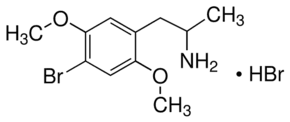
(±)-2,5-Dimethoxy-4-bromoamphetamine hydrobromide
Biochemicals & Reagents
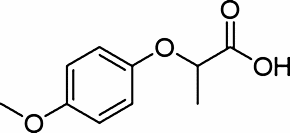
(±)-2-(p-Methoxyphenoxy)propionic acid
C10H12O4
Biochemicals & Reagents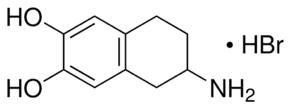
(±)-2-Amino-6,7-dihydroxy-1,2,3,4-tetrahydronaphthalene hydrobromide
C10H13NO2·HBr
Biochemicals & Reagents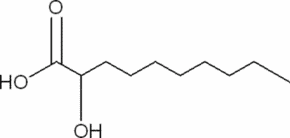
(±)-2-Hydroxydecanoic acid
C10H20O3
Biochemicals & Reagents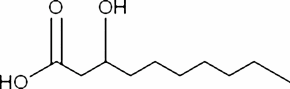
(±)-3-Hydroxydecanoic acid
C10H20O3
Biochemicals & Reagents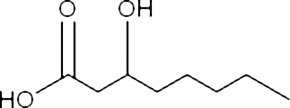
(±)-3-Hydroxyoctanoic acid
C8H16O3
Biochemicals & Reagents▶ Explore more

Bis(cyclopentadienyl)cobalt(III) hexafluorophosphate
C10H10CoF6P
Catalysis & Inorganic
1-(4-Chlorophenyl)biguanide hydrochloride
ClC6H4NHC(NH)NHC(NH)NH2 · HCl
Chemical Synthesis
Bis(cyclopentadienyl)dimethylzirconium(IV)
Catalysis & Inorganic

1-(4-Chlorophenyl)ethanol
ClC6H4CH(CH3)OH
Chemical Synthesis