
1,3,9-Trimethylxanthine
1,3,9-Trimethylxanthine (CAS 519-32-4), also known as Isocaffeine, is a purine alkaloid with a molecular weight of 194.19 g/mol. This compound serves as a valuable tool in biochemical research, particularly for studying calcium release mechanisms and adenosine receptor interactions. It is also employed as an internal standard in analytical methods for quantifying caffeine metabolites.
- IUPAC
- 2,6-Dihydroxy-1,3,9-trimethylpurine,Isocaffeine
- Synonyms
- 519-32-4C8H10N4O22,6-Dihydroxy-1,3,9-trimethylpurineIsocaffeine

Calcium Release Studies
1,3,9-Trimethylxanthine can be utilised to investigate the mechanisms of inositol-trisphosphate (Ins-P3) induced calcium release in biological systems.
Analytical Standard
This compound serves as an internal standard for the accurate quantification of caffeine metabolites in biological fluids such as urine, employing techniques like HPLC or capillary electrophoresis.
Adenosine Receptor Research
1,3,9-Trimethylxanthine is applicable in research focused on the binding characteristics of caffeine analogues to adenosine receptors.
| Molecular weight | 194.19 |
|---|---|
| Empirical formula | C8H10N4O2 |
| Assay | ≥98% (HPLC) |
| Form | solid |
| Solubility | H2O: >20 mg/mL |
| Storage temperature | room temp |
| Application | 1,3,9-Trimethylxanthine (Isocaffeine) may be used to study the mechanism of inositol-trisphosphate (Ins-P3) induced calcium release. 1,3,9-Trimethylxanthine may be used as an internal standard for measuring metabolites of caffeine in urine and other fluids by HPLC or capillary electrophoresis. 1,3,9-Trimethylxanthine may be used in studies on the binding of caffeine analogues to adenosine receptors. |
| Protective equipment | Eyeshields, Gloves, type N95 (US), type P1 (EN143) respirator filter |
|---|---|
| Water hazard class (WGK, DE) | 3 |
Hazard information is provided for guidance. Always consult the product Safety Data Sheet (SDS), available on request, before handling.
Documentation
Every batch ships with a Certificate of Analysis covering assay, identity and purity; the grade is confirmed against your enquiry. Safety Data Sheets and technical data sheets are available on request.
Supply & logistics
Samples for technical evaluation; bulk MOQ by grade and packaging. In-stock material ships in 7–10 working days, worldwide, with full export documentation.
What is 1,3,9-Trimethylxanthine used for?
+
1,3,9-Trimethylxanthine is used in biochemical research to study inositol-trisphosphate (Ins-P3) induced calcium release, as an internal standard for measuring caffeine metabolites, and in studies on adenosine receptor binding.
What are the CAS number and formula for 1,3,9-Trimethylxanthine?
+
The CAS number for 1,3,9-Trimethylxanthine is 519-32-4, and its empirical formula is C8H10N4O2.
What grade and purity does Tech Serve Solutions supply?
+
Tech Serve Solutions supplies 1,3,9-Trimethylxanthine with a purity of ≥98% (HPLC). We do not represent this product as USP, BP, or EP grade; it is suitable for research and laboratory applications.
What are the safety considerations for handling 1,3,9-Trimethylxanthine?
+
Handling 1,3,9-Trimethylxanthine requires appropriate personal protective equipment, including eyeshields and gloves. A type N95 (US) or type P1 (EN143) respirator filter is recommended. It is classified with a WGK Germany rating of 3, indicating it is hazardous to water.
How is 1,3,9-Trimethylxanthine shipped and exported?
+
Tech Serve Solutions is a specialist global supplier and exporter of fine chemicals, including 1,3,9-Trimethylxanthine, adhering to all necessary shipping and export regulations.
How can I request a quote or sample?
+
To request a quote or sample of 1,3,9-Trimethylxanthine, please contact our sales team through the website or by phone, providing your requirements.
▶ Related products
![(±)-(E)-4-Ethyl-2-[(E)-hydroxyimino]-5-nitro-3-hexenamide (C8H13N3O4) — chemical structure, CAS 138472-01-2; Biochemicals & Reagents, fine chemical supplied by Tech Serve Solutions](/_next/image?url=https%3A%2F%2Fpub-f4d920c906024441a773a96f7098e551.r2.dev%2Fimages%2Fproducts%2F138472-01-2.png&w=3840&q=75)
(±)-(E)-4-Ethyl-2-[(E)-hydroxyimino]-5-nitro-3-hexenamide
C8H13N3O4
Biochemicals & Reagents![(±)-(E)-4-Ethyl-2-[(Z)-hydroxyimino]-5-nitro-3-hexen-1-yl-nicotinamide (C14H18N4O4) — chemical structure, CAS 162626-99-5; Biochemicals & Reagents, fine chemical supplied by Tech Serve Solutions](/_next/image?url=https%3A%2F%2Fpub-f4d920c906024441a773a96f7098e551.r2.dev%2Fimages%2Fproducts%2F162626-99-5.png&w=3840&q=75)
(±)-(E)-4-Ethyl-2-[(Z)-hydroxyimino]-5-nitro-3-hexen-1-yl-nicotinamide
C14H18N4O4
Biochemicals & Reagents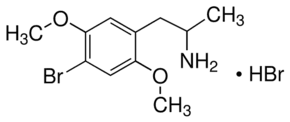
(±)-2,5-Dimethoxy-4-bromoamphetamine hydrobromide
Biochemicals & Reagents
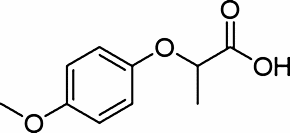
(±)-2-(p-Methoxyphenoxy)propionic acid
C10H12O4
Biochemicals & Reagents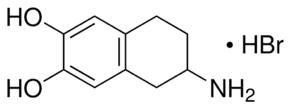
(±)-2-Amino-6,7-dihydroxy-1,2,3,4-tetrahydronaphthalene hydrobromide
C10H13NO2·HBr
Biochemicals & Reagents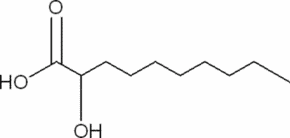
(±)-2-Hydroxydecanoic acid
C10H20O3
Biochemicals & Reagents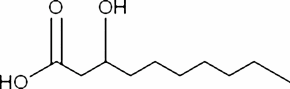
(±)-3-Hydroxydecanoic acid
C10H20O3
Biochemicals & Reagents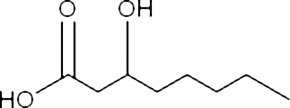
(±)-3-Hydroxyoctanoic acid
C8H16O3
Biochemicals & Reagents▶ Explore more

Bis(cyclopentadienyl)cobalt(III) hexafluorophosphate
C10H10CoF6P
Catalysis & Inorganic
1-(4-Chlorophenyl)biguanide hydrochloride
ClC6H4NHC(NH)NHC(NH)NH2 · HCl
Chemical Synthesis
Bis(cyclopentadienyl)dimethylzirconium(IV)
Catalysis & Inorganic

1-(4-Chlorophenyl)ethanol
ClC6H4CH(CH3)OH
Chemical Synthesis