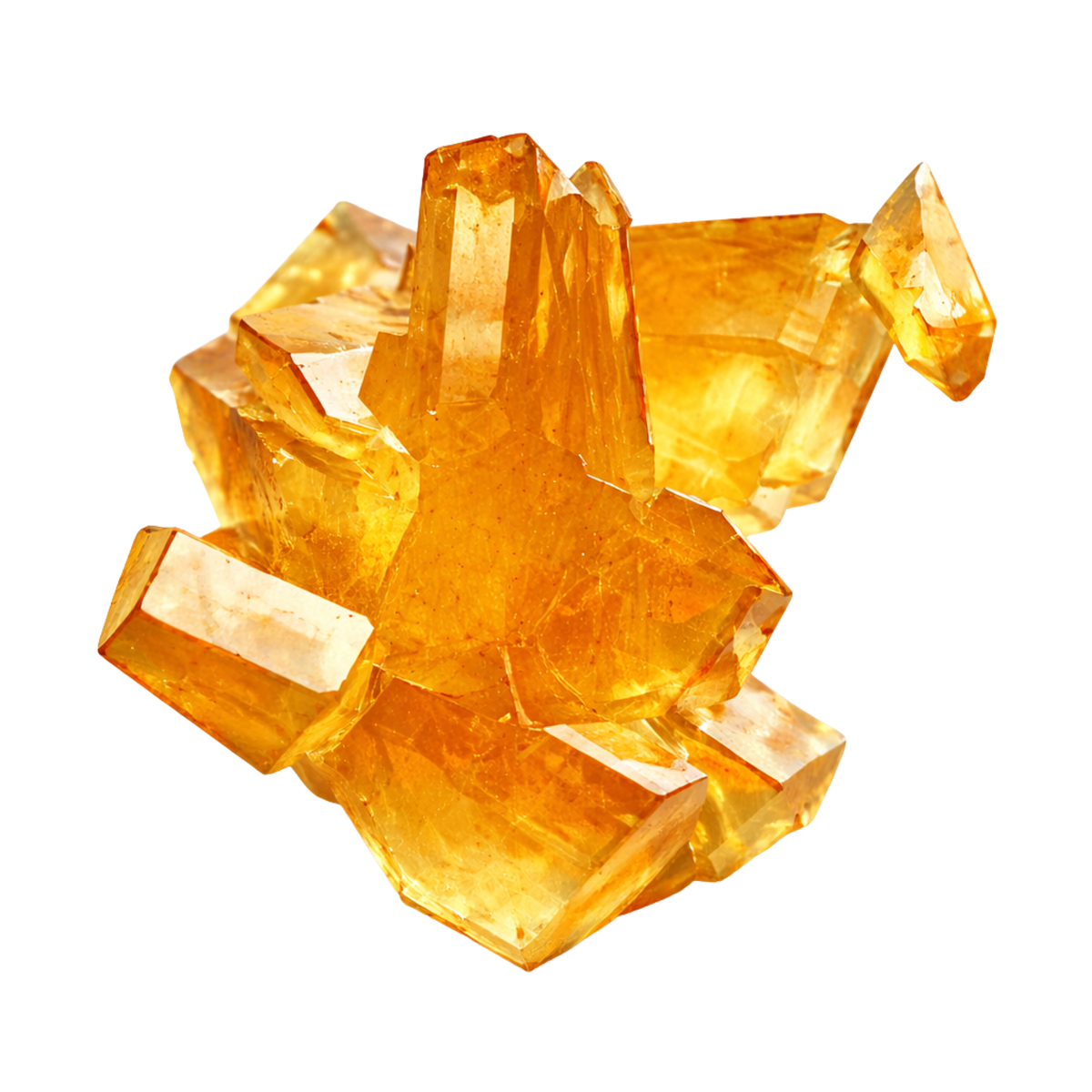
Sodium selenite
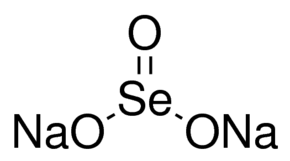
Sodium selenite
What is Sodium selenite?
Sodium selenite is a chemical compound with CAS number 10102-18-8 and molecular formula Na2SeO3. It is used in various industrial and research applications.
Applications
Sodium selenite is commonly used as a source of selenium in biological research, where selenium is an essential trace element that is normally provided by serum. Selenium is present in selenoproteins such as glutathione peroxidase and thioredoxin reductase, which contain the selenium analog of cysteine, selenocysteine. In particular, glutathione peroxidase has a role in detoxification in vivo as a scavenger of peroxides. Sodium selenite has been utilized in studies of cell proliferation and cancer research. It has been used to alter gene expression in HepG2 cells as analyzed by cDNA microarrays. Sodium selenite can inhibit zinc finger protein/DNA interactions. Sodium selenite has been shown to alter mitochondrial membrane potentials and thus potentially contribute to apoptosis.
This product is cell culture tested (0.005 mg/L) and is appropriate for use in cell culture applications.
Specifications
Na2SeO3
172.94 g/mol
≥98%
Safety Information
 GHS06
GHS06 GHS09
GHS09Danger
H300-H317-H331-H411
P261-P264-P273-P280-P301 + P310-P311
Eyeshields, Faceshields, full-face particle respirator type N100 (US), Gloves, respirator cartridge type N100 (US), type P1 (EN143) respirator filter, type P3 (EN 143) respirator cartridges
>350 °C(lit.)
233-267-9
2