Polycaprolactone triol
Polycaprolactone triol (CAS: 37625-56-2) is a biodegradable polyester with the linear formula C2H5C[CH2O[CO(CH2)5O]nH]3 and an average molecular weight of approximately 300 g/mol. This polymer exhibits a low softening point of around 10 °C and a density of 1.07 g/mL at 25 °C. It is valuable in materials science and polymer research for its tunable properties and biodegradability, finding applications in coatings, adhesives, and as a building block for more complex polymeric structures.
![Polycaprolactone triol (C2H5C[CH2O[CO(CH2)5O]nH]3) — chemical structure, CAS 37625-56-2; Materials Science, fine chemical supplied by Tech Serve Solutions](/_next/image?url=https%3A%2F%2Fpub-f4d920c906024441a773a96f7098e551.r2.dev%2Fimages%2Fproducts%2F37625-56-2.png&w=3840&q=75)
Coatings and Adhesives
Its polyester nature and low glass transition temperature make it suitable as a component in coatings and adhesives, providing flexibility and adhesion properties.
Polymer Research
Serves as a valuable monomer or building block in polymer science for synthesising novel biodegradable polymers and block copolymers with tailored characteristics.
Materials Science
Utilised in the development of new materials, particularly where biodegradability is a desired attribute, such as in biomedical applications or sustainable packaging.
| Linear formula | C2H5C[CH2O[CO(CH2)5O]nH]3 |
|---|---|
| Density | 1.07 g/mL at 25 °C |
| Protective equipment | Eyeshields, Gloves |
|---|---|
| Flash point | 218 °C / 424.4 °F |
| Water hazard class (WGK, DE) | 1 |
Hazard information is provided for guidance. Always consult the product Safety Data Sheet (SDS), available on request, before handling.
| Mol Wt | average Mn ~300 |
|---|---|
| Transition Temp | softening point 10 °C |
Documentation
Every batch ships with a Certificate of Analysis covering assay, identity and purity; the grade is confirmed against your enquiry. Safety Data Sheets and technical data sheets are available on request.
Supply & logistics
Samples for technical evaluation; bulk MOQ by grade and packaging. In-stock material ships in 7–10 working days, worldwide, with full export documentation.
What is Polycaprolactone triol used for?
+
Polycaprolactone triol is used in materials science and polymer research for developing biodegradable polymers, coatings, and adhesives.
What is the CAS number and chemical formula for Polycaprolactone triol?
+
The CAS number is 37625-56-2 and the linear formula is C2H5C[CH2O[CO(CH2)5O]nH]3.
What grade and purity does Tech Serve Solutions supply?
+
Tech Serve Solutions supplies Polycaprolactone triol with an average Mn of approximately 300. It is supplied as a technical/research grade material and TSS does not represent it as USP, BP, or EP grade.
How should Polycaprolactone triol be handled safely?
+
Handling requires safety measures including eyeshields and gloves. It has a flash point of 218 °C (424.4 °F), indicating flammability at elevated temperatures. Refer to the safety data sheet for comprehensive handling information.
How is Polycaprolactone triol packed and shipped?
+
Polycaprolactone triol is packed securely for domestic and international shipment, adhering to all relevant transport regulations for chemical goods.
How can I request a sample or quote for Polycaprolactone triol?
+
To request a sample or a quote, please contact our sales team via the website or by phone, providing your specific requirements and delivery details.
▶ Related products
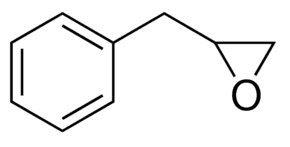
(2,3-Epoxypropyl)benzene
Polymer Science
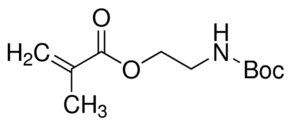
(2-Boc-amino)ethyl methacrylate
C11H19NO4
Polymer Science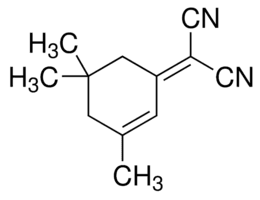
(3,5,5-Trimethylcyclohex-2-enylidene)malononitrile
Polymer Science
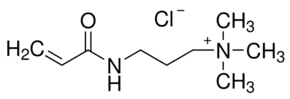
(3-Acrylamidopropyl)trimethylammonium chloride solution
Polymer Science
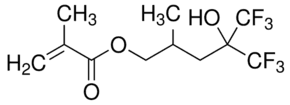
1,1,1-Trifluoro-2-(trifluoromethyl)-2-hydroxy-4-methyl-5-pentyl methacrylate
Polymer Science
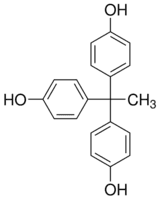
1,1,1-Tris(4-hydroxyphenyl)ethane
Polymer Science
1,1-Cyclohexanediacetic acid
Polymer Science

1,12-Diisocyanatododecane
Polymer Science