Poly(tetrafluoroethylene)
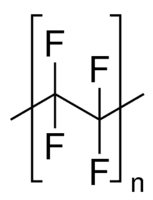
Poly(tetrafluoroethylene) (PTFE), CAS 9002-84-0, is a hydrophobic fluoropolymer known for its exceptional chemical inertness and low friction. Supplied as a 60 wt % dispersion in water, it is widely utilized in the materials science and polymer science sectors for its unique surface properties and thermal stability. Its non-stick characteristics and resistance to harsh chemicals make it indispensable in various industrial applications.
- IUPAC
- Fluorinated polymer,Fluoropolymer,PTFE
- Synonyms
- Poly(tetrafluoroethylene)PTFETeflon
Chemical-Resistant Coatings
PTFE's outstanding chemical inertness makes it ideal for protective coatings on equipment and vessels exposed to corrosive substances. It prevents degradation and ensures longevity of industrial hardware.
Low-Friction Surfaces
The exceptionally low coefficient of friction of PTFE is leveraged in applications requiring smooth movement and reduced wear. This includes bearings, seals, and sliding components in machinery.
Hydrophobic Materials
Its inherent hydrophobicity makes PTFE suitable for materials that need to repel water and resist staining. This property is beneficial in textiles and membranes.
Polymer Science Research
As a fundamental fluoropolymer, PTFE is a subject of study in polymer science for developing advanced materials and understanding polymer behaviour under various conditions.
| Linear formula | (CF2CF2)n |
|---|---|
| Concentration | 60 wt % dispersion in H2O |
Precautionary statements
- P280Wear protective gloves, clothing and eye/face protection
- P305IF IN EYES
| Protective equipment | Eyeshields, Gloves, type N95 (US), type P1 (EN143) respirator filter |
|---|---|
| Water hazard class (WGK, DE) | 3 |
Hazard information is provided for guidance. Always consult the product Safety Data Sheet (SDS), available on request, before handling.
Documentation
Every batch ships with a Certificate of Analysis covering assay, identity and purity; the grade is confirmed against your enquiry. Safety Data Sheets and technical data sheets are available on request.
Supply & logistics
Samples for technical evaluation; bulk MOQ by grade and packaging. In-stock material ships in 7–10 working days, worldwide, with full export documentation.
What is Poly(tetrafluoroethylene) used for?
+
Poly(tetrafluoroethylene) is used for its chemical resistance and low friction properties in applications such as coatings, bearings, seals, and in polymer science research.
What is the CAS number and formula for Poly(tetrafluoroethylene)?
+
The CAS number for Poly(tetrafluoroethylene) is 9002-84-0, and its linear formula is (CF₂CF₂)n.
What grade and purity does Tech Serve Solutions supply?
+
Tech Serve Solutions supplies Poly(tetrafluoroethylene) as a 60 wt % dispersion in water. We do not represent this product as USP, BP, or EP grade; it is suitable for technical and research purposes.
How should Poly(tetrafluoroethylene) be handled safely?
+
Handle with eyeshields and gloves. Use a type N95 (US) or type P1 (EN143) respirator filter. Dispose of contents/container in accordance with local regulations. Avoid release to the environment (WGK Germany 3).
How is Poly(tetrafluoroethylene) packed, shipped, and exported?
+
Products are carefully packed according to international shipping regulations to ensure safe transit and export. Specific packaging details are available upon request.
How can I request a sample or quote for Poly(tetrafluoroethylene)?
+
To request a sample or a quote, please contact our sales team through the website or call us directly. Please reference product code 9002-84-0.
▶ Related products
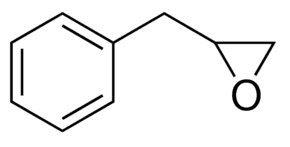
(2,3-Epoxypropyl)benzene
Polymer Science
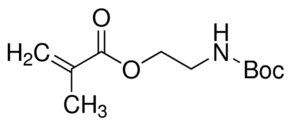
(2-Boc-amino)ethyl methacrylate
C11H19NO4
Polymer Science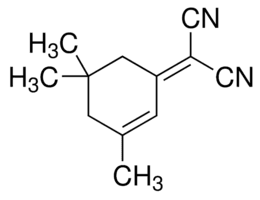
(3,5,5-Trimethylcyclohex-2-enylidene)malononitrile
Polymer Science
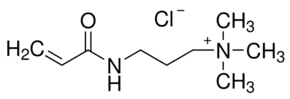
(3-Acrylamidopropyl)trimethylammonium chloride solution
Polymer Science
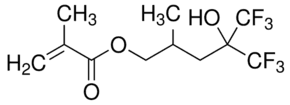
1,1,1-Trifluoro-2-(trifluoromethyl)-2-hydroxy-4-methyl-5-pentyl methacrylate
Polymer Science
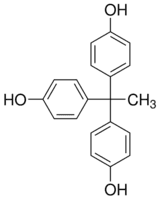
1,1,1-Tris(4-hydroxyphenyl)ethane
Polymer Science
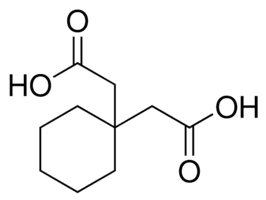
1,1-Cyclohexanediacetic acid
Polymer Science

1,12-Diisocyanatododecane
Polymer Science