
Poly(tert-butyl methacrylate-co-glycidyl methacrylate)
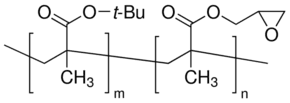
Poly(tert-butyl methacrylate-co-glycidyl methacrylate) (CAS: 70939-77-4) is a photocrosslinkable polymer notable for its low refractive index. This material is specifically designed for use in the fabrication of low-loss optical waveguides, serving as a crucial component in advanced photonic and optical systems. Its properties make it suitable for applications within materials science and organic electronics, enabling the development of sophisticated optical devices.
Optical Waveguide Fabrication
This polymer serves as a photocrosslinkable material for the cladding layer in the fabrication of low-loss optical waveguides. Its properties are essential for efficient light transmission in photonic devices.
Materials Science Research
As a specialized polymer, it finds application in materials science research for developing novel materials with specific optical and electronic properties. Its photocrosslinkable nature allows for precise patterning and device construction.
Organic and Printed Electronics
The polymer is relevant for applications in organic and printed electronics, particularly where optical functionality and low refractive index are required for device performance.
| Solubility | chloroform: soluble |
|---|---|
| Application | Photocrosslinkable polymer for cladding layer in low-loss, optical waveguide fabrication.1 |

Hazard statements
- H315Causes skin irritation
- H319Causes serious eye irritation
- H335May cause respiratory irritation
Precautionary statements
- P261Avoid breathing dust, fume, gas or vapours
- P305IF IN EYES
| Protective equipment | dust mask type N95 (US), Eyeshields, Gloves |
|---|---|
| Water hazard class (WGK, DE) | 3 |
| Hazard codes (EU) | Xi |
| Risk statements (R) | 36/37/38 |
| Safety statements (S) | 26-36 |
Hazard information is provided for guidance. Always consult the product Safety Data Sheet (SDS), available on request, before handling.
| Transition Temp | Tg 62 °C |
|---|
Documentation
Every batch ships with a Certificate of Analysis covering assay, identity and purity; the grade is confirmed against your enquiry. Safety Data Sheets and technical data sheets are available on request.
Supply & logistics
Samples for technical evaluation; bulk MOQ by grade and packaging. In-stock material ships in 7–10 working days, worldwide, with full export documentation.
What is Poly(tert-butyl methacrylate-co-glycidyl methacrylate) used for?
+
Poly(tert-butyl methacrylate-co-glycidyl methacrylate) is primarily used as a photocrosslinkable polymer for the cladding layer in the fabrication of low-loss optical waveguides. It is also utilised in materials science research and organic/printed electronics.
What is the CAS number and formula for this polymer?
+
The CAS number for Poly(tert-butyl methacrylate-co-glycidyl methacrylate) is 70939-77-4. The specific chemical formula is not provided in the product data.
What grade and purity does Tech Serve Solutions supply?
+
Tech Serve Solutions supplies this product for research and laboratory use. The specific assay or purity is not detailed in the provided data, and it is not represented as USP, BP, or EP grade.
How should this chemical be handled safely?
+
This product carries GHS07 (Warning) signal word with hazards H315 (Causes skin irritation), H319 (Causes serious eye irritation), and H335 (May cause respiratory irritation). Recommended personal protective equipment includes a dust mask type N95 (US), eyeshields, and gloves. Handle in a well-ventilated area, avoid breathing dust, and ensure eye and skin contact is prevented.
How is Poly(tert-butyl methacrylate-co-glycidyl methacrylate) packed and shipped?
+
This chemical is carefully packed to ensure safe transit and is available for export globally by Tech Serve Solutions, a specialist supplier since 1998.
How can I request a sample or quote?
+
To request a sample or a quote for Poly(tert-butyl methacrylate-co-glycidyl methacrylate), please contact our sales team via the website or direct contact details provided.
▶ Related products
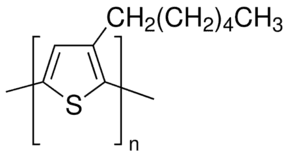
Poly(3-hexylthiophene-2,5-diyl)
Organic & Printed Electronics
![[6,6]-Phenyl C71 butyric acid methyl ester, mixture of isomers — chemical structure, CAS 609771-63-3; Organic & Printed Electronics, fine chemical supplied by Tech Serve Solutions](/_next/image?url=https%3A%2F%2Fpub-f4d920c906024441a773a96f7098e551.r2.dev%2Fimages%2Fproducts%2F609771-63-3.png&w=3840&q=75)
[6,6]-Phenyl C71 butyric acid methyl ester, mixture of isomers
Organic & Printed Electronics
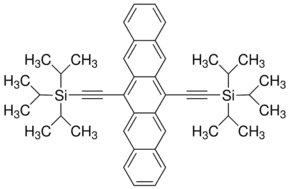
6,13-Bis(triisopropylsilylethynyl)pentacene
Organic & Printed Electronics
![[6,6]-Phenyl C61 butyric acid methyl ester — chemical structure, CAS 160848-22-6; Organic & Printed Electronics, fine chemical supplied by Tech Serve Solutions](/_next/image?url=https%3A%2F%2Fpub-f4d920c906024441a773a96f7098e551.r2.dev%2Fimages%2Fproducts%2F160848-22-6.png&w=3840&q=75)
[6,6]-Phenyl C61 butyric acid methyl ester
Organic & Printed Electronics
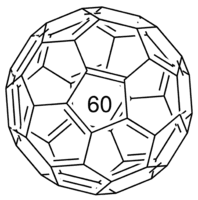
Fullerene-C60
C60
Organic & Printed Electronics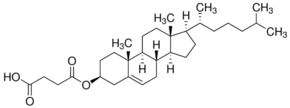
Cholesteryl hemisuccinate
C31H50O4
Organic & Printed Electronics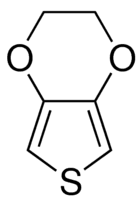
3,4-Ethylenedioxythiophene
Organic & Printed Electronics
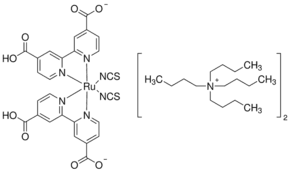
Di-tetrabutylammonium cis-bis(isothiocyanato)bis(2,2′-bipyridyl-4,4′-dicarboxylato)ruthenium(II)
Organic & Printed Electronics
▶ Explore more

4-Acetylphenoxyacetic acid
CH3COC6H4OCH2CO2H
Chemical Synthesis
(4-Iodophenylethynyl)trimethylsilane
C11H13ISi
Chemical Synthesis
4-Acetylphenyl isocyanate
CH3COC6H4NCO
Chemical Synthesis
4-Acetylphenyl sulfate potassium salt
CH3C(O)C6H4OS(O)2OK
Chemical Synthesis