
Poly(L-lactide-co-caprolactone-co-glycolide)
Poly(L-lactide-co-caprolactone-co-glycolide) (CAS: 134490-19-0) is a versatile biodegradable copolymer designed for advanced material science applications. This terpolymer exhibits a glass transition temperature (Tg) of approximately 28 °C. It is primarily composed of L-lactide (70%), caprolactone (20%), and glycolide (10%), offering tunable degradation rates and mechanical properties. It finds utility in research and development for various biomedical and material engineering applications.
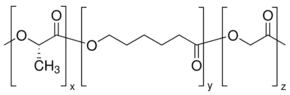
Biomedical Research
Utilised in the development of biodegradable implants, drug delivery systems, and tissue engineering scaffolds due to its controlled degradation profile and biocompatibility.
Material Science Development
Serves as a base material for creating novel biodegradable plastics and composites with specific mechanical and thermal properties suitable for research.
Polymer Science Studies
Investigated for its unique copolymer structure and degradation characteristics, contributing to fundamental research in polymer behaviour and applications.
| Storage temperature | 2-8°C |
|---|---|
| Composition | caprolactone, 20%glycolide, 10%L-lactide, 70% |
| Protective equipment | Eyeshields, Gloves, type N95 (US), type P1 (EN143) respirator filter |
|---|---|
| Water hazard class (WGK, DE) | 3 |
Hazard information is provided for guidance. Always consult the product Safety Data Sheet (SDS), available on request, before handling.
| Mol Wt | average Mn ~50,000 by GPC |
|---|---|
| Transition Temp | Tg ~28 °C |
Documentation
Every batch ships with a Certificate of Analysis covering assay, identity and purity; the grade is confirmed against your enquiry. Safety Data Sheets and technical data sheets are available on request.
Supply & logistics
Samples for technical evaluation; bulk MOQ by grade and packaging. In-stock material ships in 7–10 working days, worldwide, with full export documentation.
What is Poly(L-lactide-co-caprolactone-co-glycolide) used for?
+
This biodegradable terpolymer is primarily used in biomedical research for applications such as drug delivery systems, tissue engineering scaffolds, and biodegradable implants. It is also utilised in material science development for creating novel biodegradable plastics and composites.
What is the CAS number and formula for Poly(L-lactide-co-caprolactone-co-glycolide)?
+
The CAS number for Poly(L-lactide-co-caprolactone-co-glycolide) is 134490-19-0. The chemical formula is not explicitly provided as it represents a polymer chain with varying lengths and monomer ratios.
What grade and purity does Tech Serve Solutions supply?
+
Tech Serve Solutions supplies Poly(L-lactide-co-caprolactone-co-glycolide) with an average molecular weight (Mn) of ~50,000 by GPC. This product is intended for research and development purposes. TSS does not represent this product as USP, BP, EP, or any other pharmacopoeia grade.
How should Poly(L-lactide-co-caprolactone-co-glycolide) be handled and stored?
+
For safe handling, it is essential to wear eyeshields, gloves, and a type N95 (US) or type P1 (EN143) respirator filter. This material should be stored under refrigeration at 2-8°C to maintain its integrity and properties.
What are the GHS hazards for this chemical?
+
This chemical has a WGK (Germany) rating of 3, indicating it is hazardous to water. Appropriate personal protective equipment, including eyeshields, gloves, and respiratory protection, should always be used when handling.
How is Poly(L-lactide-co-caprolactone-co-glycolide) shipped or exported?
+
Tech Serve Solutions, a global supplier and exporter since 1998, can arrange for the shipment and export of Poly(L-lactide-co-caprolactone-co-glycolide) according to international regulations and customer requirements.
How can I request a sample or quote?
+
To request a sample or obtain a quote for Poly(L-lactide-co-caprolactone-co-glycolide), please contact the Tech Serve Solutions sales team through our website or by phone.
▶ Related products
(2,3-Epoxypropyl)benzene
Polymer Science
(2-Boc-amino)ethyl methacrylate
C11H19NO4
Polymer Science
(3,5,5-Trimethylcyclohex-2-enylidene)malononitrile
Polymer Science
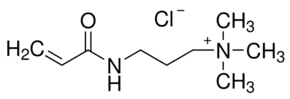
(3-Acrylamidopropyl)trimethylammonium chloride solution
Polymer Science
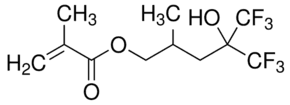
1,1,1-Trifluoro-2-(trifluoromethyl)-2-hydroxy-4-methyl-5-pentyl methacrylate
Polymer Science
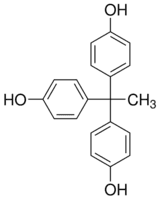
1,1,1-Tris(4-hydroxyphenyl)ethane
Polymer Science
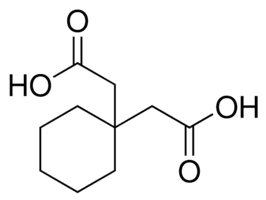
1,1-Cyclohexanediacetic acid
Polymer Science

1,12-Diisocyanatododecane
Polymer Science
▶ Explore more

Bis(cyclopentadienyl)cobalt(III) hexafluorophosphate
C10H10CoF6P
Catalysis & Inorganic
1-(4-Chlorophenyl)biguanide hydrochloride
ClC6H4NHC(NH)NHC(NH)NH2 · HCl
Chemical Synthesis
Bis(cyclopentadienyl)dimethylzirconium(IV)
Catalysis & Inorganic

1-(4-Chlorophenyl)ethanol
ClC6H4CH(CH3)OH
Chemical Synthesis