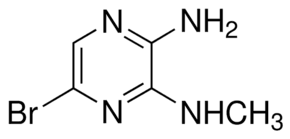
Poly(ethylene glycol) monooleate
Poly(ethylene glycol) monooleate (CAS 9004-96-0) is a non-ionic surfactant and plasticiser with an average molecular weight of approximately 460 g/mol. Its chemical structure allows for good solubility in organic solvents like toluene, ethanol, and acetone, while being dispersible in water. This compound finds utility in various industrial applications, primarily as a plasticiser to enhance the flexibility of polymers and as a surfactant for formulating emulsions and dispersions.

Plasticiser
This compound functions as an effective plasticiser, improving the flexibility and workability of polymeric materials. It is incorporated into formulations to reduce brittleness and enhance the overall physical properties of the final product.
Surfactant
As a non-ionic surfactant, Poly(ethylene glycol) monooleate aids in the formation and stabilisation of emulsions and dispersions. Its amphiphilic nature allows it to reduce surface tension between different phases, making it useful in various formulations.
Industrial Formulations
It is used in a range of industrial formulations where its properties as a plasticiser and surfactant are beneficial. The compound's solubility profile facilitates its incorporation into diverse chemical mixtures and processes.
| Boiling point | >260 °C(lit.) |
|---|---|
| Density | 0.969 g/mL at 25 °C |
| Refractive index | n20/D 1.465 |
| Solubility | toluene, ethanol and acetone: soluble (dispersible in water) |
| Application | Plasticizer, surfactant. |
| Protective equipment | Eyeshields, Gloves, type N95 (US), type P1 (EN143) respirator filter |
|---|---|
| Flash point | >113 °C / >235.4 °F |
| Water hazard class (WGK, DE) | 1 |
Hazard information is provided for guidance. Always consult the product Safety Data Sheet (SDS), available on request, before handling.
| Mol Wt | average Mn ~460 |
|---|---|
| Hydroxyl Value | 90 mg KOH/g |
| Iodine Value | 3 |
Documentation
Every batch ships with a Certificate of Analysis covering assay, identity and purity; the grade is confirmed against your enquiry. Safety Data Sheets and technical data sheets are available on request.
Supply & logistics
Samples for technical evaluation; bulk MOQ by grade and packaging. In-stock material ships in 7–10 working days, worldwide, with full export documentation.
What is Poly(ethylene glycol) monooleate used for?
+
Poly(ethylene glycol) monooleate is primarily used as a plasticiser to enhance polymer flexibility and as a surfactant in various industrial formulations.
What are the CAS number and formula for Poly(ethylene glycol) monooleate?
+
The CAS number for Poly(ethylene glycol) monooleate is 9004-96-0. The formula is not explicitly provided in the source data, but it is a derivative of polyethylene glycol and oleic acid.
What grade and purity does Tech Serve Solutions supply?
+
Tech Serve Solutions supplies Poly(ethylene glycol) monooleate with an average Mn of approximately 460. The hydroxyl value is 90 mg KOH/g and the iodine value is 3. Tech Serve Solutions does not represent this product as USP, BP, or EP grade.
What are the safety and handling recommendations for Poly(ethylene glycol) monooleate?
+
Appropriate personal protective equipment, including eyeshields and gloves, should be used. A respirator filter of type N95 (US) or P1 (EN143) is recommended. Handle in accordance with good industrial hygiene practices.
How is Poly(ethylene glycol) monooleate packed and shipped?
+
Products are carefully packed and exported by Tech Serve Solutions, adhering to international shipping regulations for chemical compounds. Specific packaging details are available upon request.
How can I request a sample or quote for Poly(ethylene glycol) monooleate?
+
To request a sample or obtain a quote for Poly(ethylene glycol) monooleate, please contact our sales team through the website or by phone, referencing the product CAS number 9004-96-0.
▶ Related products
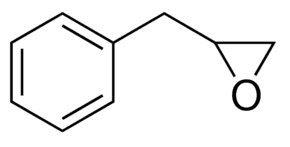
(2,3-Epoxypropyl)benzene
Polymer Science
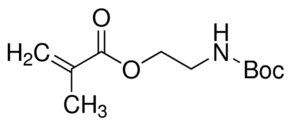
(2-Boc-amino)ethyl methacrylate
C11H19NO4
Polymer Science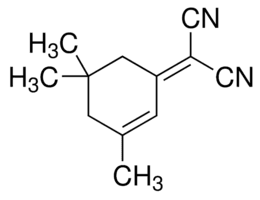
(3,5,5-Trimethylcyclohex-2-enylidene)malononitrile
Polymer Science
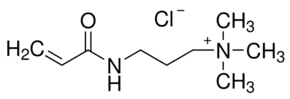
(3-Acrylamidopropyl)trimethylammonium chloride solution
Polymer Science
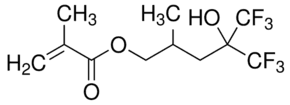
1,1,1-Trifluoro-2-(trifluoromethyl)-2-hydroxy-4-methyl-5-pentyl methacrylate
Polymer Science
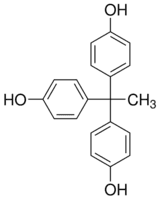
1,1,1-Tris(4-hydroxyphenyl)ethane
Polymer Science
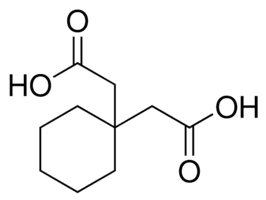
1,1-Cyclohexanediacetic acid
Polymer Science

1,12-Diisocyanatododecane
Polymer Science