
Poly(3-decyloxythiophene-2,5-diyl)
Poly(3-decyloxythiophene-2,5-diyl) (CAS: 150678-86-7) is a π-conjugated polymer with a linear formula of (C14H22OS)n and a molecular weight of Mn <10,000. This conductive polymer exhibits fluorescence properties and finds applications in organic electronics, biosensing, and as a component in light-emitting polymers (LEPs). Its solubility in solvents like THF facilitates processing in various electronic device fabrication. TSS supplies this material for research and development purposes.
- Synonyms
- (C14H22OS)n

Organic Electronics
Poly(3-decyloxythiophene-2,5-diyl) is utilised in the development of organic electronic devices, including organic field-effect transistors (OFETs) and organic photovoltaic cells (OPVs), owing to its semiconducting properties.
Biosensing and Bioimaging
The fluorescent nature of this polymer makes it suitable for biosensing applications and as a probe in bioimaging techniques, enabling the detection and visualisation of biological targets.
Light-Emitting Polymers (LEPs)
As a Light-Emitting Polymer (LEP), Poly(3-decyloxythiophene-2,5-diyl) can be used in the fabrication of organic light-emitting diodes (OLEDs) and polymer light-emitting diodes (PLEDs) for display and lighting applications.
Conductive Polymer Research
Its well-defined structure and properties make it a valuable material for fundamental research into conductive polymers, their synthesis, characterisation, and application potential in emerging technologies.
| Linear formula | (C14H22OS)n |
|---|---|
| Density | 0.877 g/mL at 25 °C |
| Concentration | 0.5 % (w/v) in THF |


Hazard statements
- H225Highly flammable liquid and vapour
- H319Causes serious eye irritation
- H335May cause respiratory irritation
- H351Suspected of causing cancer
Precautionary statements
- P210Keep away from heat, sparks and open flames. No smoking
- P261Avoid breathing dust, fume, gas or vapours
- P281Use personal protective equipment as required
- P305IF IN EYES
| Protective equipment | Eyeshields, Faceshields, full-face respirator (US), Gloves, multi-purpose combination respirator cartridge (US), type ABEK (EN14387) respirator filter |
|---|---|
| Flash point | -23 °C / -9.4 °F |
| Transport (UN / ADR) | UN 2056 3 / PGII |
| Water hazard class (WGK, DE) | 3 |
| Hazard codes (EU) | F,Xn |
| Risk statements (R) | 11-19-36/37-40 |
| Safety statements (S) | 16-26-36/37 |
| Supplemental hazards | May form explosive peroxides. |
Hazard information is provided for guidance. Always consult the product Safety Data Sheet (SDS), available on request, before handling.
| Mol Wt | Mn <10,000 |
|---|---|
| Fluorescence | λex 350 nm; λem 427 nm in THF |
Documentation
Every batch ships with a Certificate of Analysis covering assay, identity and purity; the grade is confirmed against your enquiry. Safety Data Sheets and technical data sheets are available on request.
Supply & logistics
Samples for technical evaluation; bulk MOQ by grade and packaging. In-stock material ships in 7–10 working days, worldwide, with full export documentation.
What is Poly(3-decyloxythiophene-2,5-diyl) used for?
+
Poly(3-decyloxythiophene-2,5-diyl) is used in organic electronics, biosensing, bioimaging, and as a light-emitting polymer (LEP) in devices like OLEDs and PLEDs. It is also a key material for research into conductive polymers.
What are the CAS number and formula for Poly(3-decyloxythiophene-2,5-diyl)?
+
The CAS number for Poly(3-decyloxythiophene-2,5-diyl) is 150678-86-7, and its linear formula is (C14H22OS)n.
What grade and purity does Tech Serve Solutions supply?
+
Tech Serve Solutions supplies Poly(3-decyloxythiophene-2,5-diyl) with a specified molecular weight of Mn <10,000. TSS does not represent this product as USP, BP, EP, or any other pharmacopoeia grade.
What are the key safety considerations for handling Poly(3-decyloxythiophene-2,5-diyl)?
+
Poly(3-decyloxythiophene-2,5-diyl) is flammable (flash point -23 °C) and can cause serious eye irritation and respiratory irritation. It is also suspected of causing cancer. Appropriate personal protective equipment, including eyeshields, gloves, and respiratory protection, is essential. Handle in a well-ventilated area away from ignition sources.
How is Poly(3-decyloxythiophene-2,5-diyl) packed, shipped, and exported?
+
Poly(3-decyloxythiophene-2,5-diyl) is packed according to relevant safety and transport regulations for hazardous materials. As a global supplier and exporter, Tech Serve Solutions ensures compliance with all international shipping and export requirements for chemical products.
How can I request a sample or a quote for Poly(3-decyloxythiophene-2,5-diyl)?
+
To request a sample or a quote for Poly(3-decyloxythiophene-2,5-diyl), please contact our sales team through the website or by email, providing your specific requirements.
▶ Related products
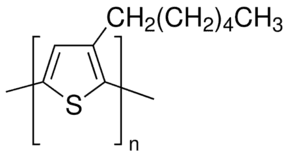
Poly(3-hexylthiophene-2,5-diyl)
Organic & Printed Electronics
![[6,6]-Phenyl C71 butyric acid methyl ester, mixture of isomers — chemical structure, CAS 609771-63-3; Organic & Printed Electronics, fine chemical supplied by Tech Serve Solutions](/_next/image?url=https%3A%2F%2Fpub-f4d920c906024441a773a96f7098e551.r2.dev%2Fimages%2Fproducts%2F609771-63-3.png&w=3840&q=75)
[6,6]-Phenyl C71 butyric acid methyl ester, mixture of isomers
Organic & Printed Electronics
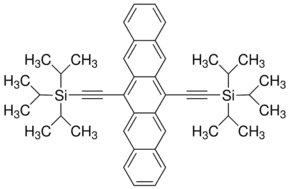
6,13-Bis(triisopropylsilylethynyl)pentacene
Organic & Printed Electronics
![[6,6]-Phenyl C61 butyric acid methyl ester — chemical structure, CAS 160848-22-6; Organic & Printed Electronics, fine chemical supplied by Tech Serve Solutions](/_next/image?url=https%3A%2F%2Fpub-f4d920c906024441a773a96f7098e551.r2.dev%2Fimages%2Fproducts%2F160848-22-6.png&w=3840&q=75)
[6,6]-Phenyl C61 butyric acid methyl ester
Organic & Printed Electronics
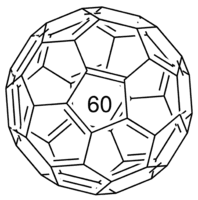
Fullerene-C60
C60
Organic & Printed Electronics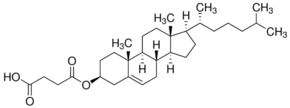
Cholesteryl hemisuccinate
C31H50O4
Organic & Printed Electronics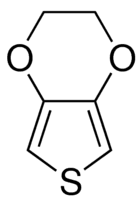
3,4-Ethylenedioxythiophene
Organic & Printed Electronics
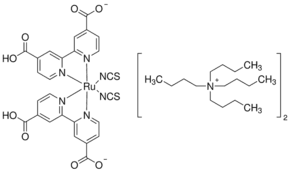
Di-tetrabutylammonium cis-bis(isothiocyanato)bis(2,2′-bipyridyl-4,4′-dicarboxylato)ruthenium(II)
Organic & Printed Electronics
▶ Explore more
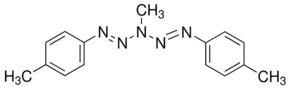
3-Methyl-1,5-di-p-tolyl-1,4-pentazadiene
Chemical Synthesis

3-Methyl-1,5-pentanediol
Chemical Synthesis
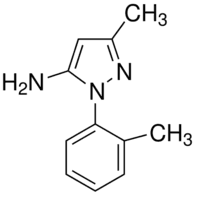
3-Methyl-1-(2-methylphenyl)-1H-pyrazol-5-amine
C11H13N3
Chemical Synthesis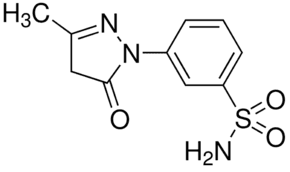
3-Methyl-1-(3′-sulfoamidophenyl)-5-pyrazolone
C10H11N3O3S
Chemical Synthesis