
Phytic acid dipotassium salt
Phytic acid dipotassium salt (CAS: 129832-03-7), with the molecular formula C6H16O24P6K2 and a molecular weight of 736.22 g/mol, is a salt form of phytic acid. It is recognised for its role in various biological processes and has found applications in scientific research, including studies on food science and cell biology. This compound is supplied by TSS for laboratory and research purposes.
- IUPAC
- myo-Inositol hexakis(dihydrogen phosphate),Inositol hexakisphosphate,Inositol hexaphosphoric acid,InsP6
- Synonyms
- myo-Inositol hexakis(dihydrogen phosphate),Inositol hexakisphosphate,Inositol hexaphosphoric acid,InsP6

Food Science Research
Phytic acid has been utilised in studies to develop novel methods for mitigating undesirable aftertastes in food products, such as wine and seafood. This research contributes to enhancing the sensory experience of consumed goods.
Biochemical and Nutritional Studies
The compound has been employed in investigations into the biochemical and nutritional characteristics of seeds, both in their dry state and after processing. This aids in understanding seed composition and potential uses.
Cell Biology Research
As a derivative of inositol hexakisphosphate, phytic acid dipotassium salt is relevant in cell biology research, particularly in studies focusing on cellular signalling and phosphate metabolism.
| Molecular weight | 736.22 |
|---|---|
| Linear formula | C6H16O24P6K2 |
| Assay | ≥95% |
| Storage temperature | 2-8°C |
| Application | Phytic acid has been used in a study to develop a novel method to reduce fishy aftertaste in wine and seafood pairing. 1 It has also been used in a study to investigate biochemical and nutritional characterization of dry and processed seeds. 2 |
| Protective equipment | Eyeshields, Gloves, type N95 (US), type P1 (EN143) respirator filter |
|---|---|
| Water hazard class (WGK, DE) | 3 |
Hazard information is provided for guidance. Always consult the product Safety Data Sheet (SDS), available on request, before handling.
Documentation
Every batch ships with a Certificate of Analysis covering assay, identity and purity; the grade is confirmed against your enquiry. Safety Data Sheets and technical data sheets are available on request.
Supply & logistics
Samples for technical evaluation; bulk MOQ by grade and packaging. In-stock material ships in 7–10 working days, worldwide, with full export documentation.
What is Phytic acid dipotassium salt used for?
+
Phytic acid dipotassium salt is used in scientific research, including studies in food science for taste modification and in biochemical and nutritional research concerning seeds. It is also relevant in cell biology studies.
What are the CAS number and molecular formula for Phytic acid dipotassium salt?
+
The CAS number for Phytic acid dipotassium salt is 129832-03-7, and its molecular formula is C6H16O24P6K2.
What grade and purity does Tech Serve Solutions supply?
+
Tech Serve Solutions supplies Phytic acid dipotassium salt with an assay of ≥95%. TSS does not represent this product as USP, BP, EP, or any other pharmacopoeia or food grade.
How should Phytic acid dipotassium salt be handled?
+
Handling requires appropriate personal protective equipment, including eyeshields and gloves. A type N95 (US) or type P1 (EN143) respirator filter is recommended. This compound is classified under WGK 3 in Germany, indicating a high hazard to water.
How is Phytic acid dipotassium salt shipped and exported?
+
Phytic acid dipotassium salt is typically stored at 2-8°C. TSS is a specialist global supplier and exporter of fine chemicals, handling international shipments according to regulatory requirements.
How can I request a sample or quote for Phytic acid dipotassium salt?
+
To request a sample or a quote for Phytic acid dipotassium salt, please contact the TSS sales department through our website or direct contact information.
▶ Related products
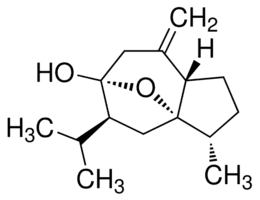
(−)-Curcumol
C15H24O2
Cell Biology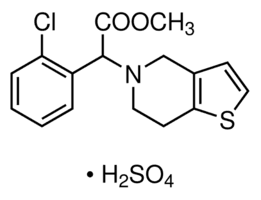
(±) Clopidogrel hydrogensulfate
Cell Biology
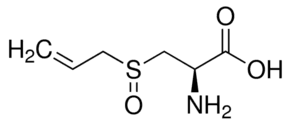
(±)-L-Alliin
C6H11NO3S
Cell Biology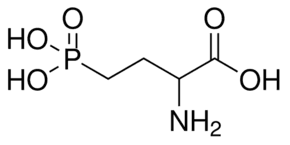
(±)-2-Amino-4-phosphonobutyric acid
C4H10NO5P
Cell Biology
(±)-2-Methylarachidonoyl-2′-fluoroethylamide
C23H38NOF
Cell Biology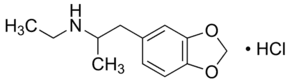
(±)-3,4-Methylenedioxy-N-ethylamphetamine hydrochloride
Cell Biology
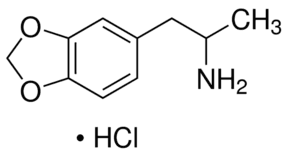
(±)-3,4-Methylenedioxyamphetamine hydrochloride
Cell Biology
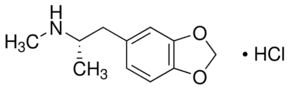
(±)-3,4-Methylenedioxymethamphetamine hydrochloride
Cell Biology
▶ Explore more
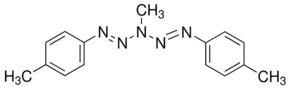
3-Methyl-1,5-di-p-tolyl-1,4-pentazadiene
Chemical Synthesis

3-Methyl-1,5-pentanediol
Chemical Synthesis
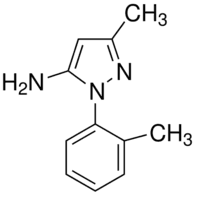
3-Methyl-1-(2-methylphenyl)-1H-pyrazol-5-amine
C11H13N3
Chemical Synthesis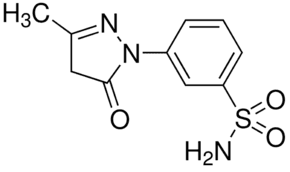
3-Methyl-1-(3′-sulfoamidophenyl)-5-pyrazolone
C10H11N3O3S
Chemical Synthesis