
Phenylhydrazine hydrochloride
Phenylhydrazine hydrochloride (CAS 59-88-1) is a key organic building block with the linear formula C₆H₅NHNH₂ · HCl and a molecular weight of 144.60 g/mol. This compound serves as a critical reagent in chemical synthesis and biochemical research. It is notably employed in the examination of tyrosine phosphorylation of Janus protein tyrosine kinase (JAKs) within EPO-responsive normal erythroblastoid cells. TSS supplies this chemical for research and synthesis applications.

Biochemical Research Reagent
Used in the examination of tyrosine phosphorylation of Janus protein tyrosine kinase (JAKs). This application is specifically noted in studies involving EPO-responsive normal erythroblastoid cells from anemic mice.
Organic Synthesis Intermediate
Serves as a valuable building block in organic synthesis for the creation of more complex molecules. Its hydrazine functionality allows for various condensation and cyclisation reactions.
Analytical Chemistry
Can be utilised in analytical methods due to its reactivity, potentially for derivatisation or specific detection assays, although detailed applications in this area are not specified.
| Molecular weight | 144.60 |
|---|---|
| Linear formula | C6H5NHNH2 · HCl |
| Storage temperature | −20°C |
| Application | Phenylhydrazine hydrochloride is used in the examination of tyrosine phosphorylation of Janus protein tyrosine kinase (JAKs) in the EPO-responsive normal erythroblastoid cells of anemic mice1. |
| Melting point | 250-254 °C (dec.)(lit.) |


Hazard statements
- H301Toxic if swallowed
- H311Toxic in contact with skin
- H315Causes skin irritation
- H317May cause an allergic skin reaction
- H319Causes serious eye irritation
- H331Toxic if inhaled
- H341Suspected of causing genetic defects
- H350May cause cancer
- H372Causes damage to organs through prolonged exposure
- H400Very toxic to aquatic life
Precautionary statements
- P201Obtain special instructions before use
- P261Avoid breathing dust, fume, gas or vapours
- P273Avoid release to the environment
- P280Wear protective gloves, clothing and eye/face protection
- P301IF SWALLOWED
- P305IF IN EYES
| Protective equipment | Eyeshields, Faceshields, full-face particle respirator type N100 (US), Gloves, respirator cartridge type N100 (US), type P1 (EN143) respirator filter, type P3 (EN 143) respirator cartridges |
|---|---|
| Transport (UN / ADR) | UN 2811 6.1/PG 3 |
| Water hazard class (WGK, DE) | 3 |
| Hazard codes (EU) | T,N |
| Risk statements (R) | 45-23/24/25-36/38-43-48/23/24/25-50-68 |
| Safety statements (S) | 53-45-61 |
Hazard information is provided for guidance. Always consult the product Safety Data Sheet (SDS), available on request, before handling.
Documentation
Every batch ships with a Certificate of Analysis covering assay, identity and purity; the grade is confirmed against your enquiry. Safety Data Sheets and technical data sheets are available on request.
Supply & logistics
Samples for technical evaluation; bulk MOQ by grade and packaging. In-stock material ships in 7–10 working days, worldwide, with full export documentation.
What is Phenylhydrazine hydrochloride used for?
+
Phenylhydrazine hydrochloride (CAS 59-88-1) is primarily used in biochemical research for examining tyrosine phosphorylation of Janus protein tyrosine kinase (JAKs) and as a building block in organic synthesis.
What are the CAS number and formula for Phenylhydrazine hydrochloride?
+
The CAS number for Phenylhydrazine hydrochloride is 59-88-1, and its linear formula is C₆H₅NHNH₂ · HCl.
What grade and purity does Tech Serve Solutions supply?
+
Tech Serve Solutions supplies Phenylhydrazine hydrochloride for research and synthesis purposes. The specific assay or grade is detailed in the product's technical specifications. TSS does not represent this product as USP, BP, or EP grade.
How should Phenylhydrazine hydrochloride be handled safely?
+
Phenylhydrazine hydrochloride is hazardous and requires careful handling. It is classified as toxic if swallowed, in contact with skin, or if inhaled, causes skin irritation, may cause an allergic skin reaction, causes serious eye irritation, is suspected of causing genetic defects, may cause cancer, and causes damage to organs through prolonged or repeated exposure. It is also very toxic to aquatic life. Always use appropriate personal protective equipment, including gloves, eyeshields, and a suitable respirator, and handle in a well-ventilated area. Consult the Safety Data Sheet for full details.
Is Phenylhydrazine hydrochloride a controlled substance?
+
Based on the provided data, there is no indication that Phenylhydrazine hydrochloride is a controlled substance. However, users should always verify local regulations.
How is Phenylhydrazine hydrochloride packed, shipped, and exported?
+
Tech Serve Solutions ensures appropriate packaging for the safe transit and export of Phenylhydrazine hydrochloride, adhering to all relevant shipping regulations for hazardous materials.
How can I request a sample or a quote for Phenylhydrazine hydrochloride?
+
To request a sample or a quote for Phenylhydrazine hydrochloride, please contact the Tech Serve Solutions sales team through our website or by calling us directly.
▶ Related products
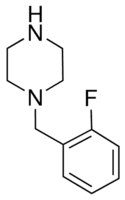
1-(2-Fluorobenzyl)piperazine
C11H15FN2
Chemical Synthesis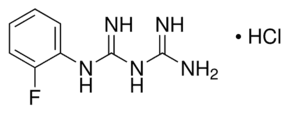
1-(2-Fluorophenyl)biguanide hydrochloride
Chemical Synthesis
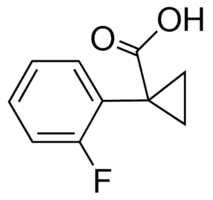
1-(2-Fluorophenyl)cyclopropanecarboxylic acid
C10H9FO2
Chemical Synthesis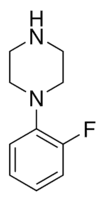
1-(2-Fluorophenyl)piperazine
C10H13FN2
Chemical Synthesis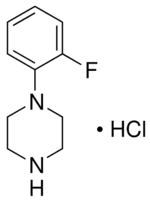
1-(2-Fluorophenyl)piperazine monohydrochloride
C10H13FN2 · HCl
Chemical Synthesis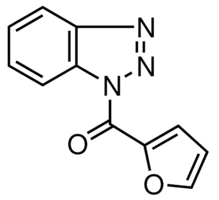
1-(2-Furoyl)-1H-benzotriazole
C11H7N3O2
Chemical Synthesis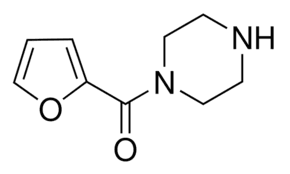
1-(2-Furoyl)piperazine
C9H12N2O2
Chemical Synthesis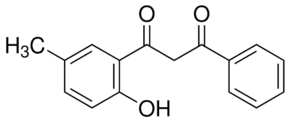
1-(2-Hydroxy-5-methylphenyl)-3-phenyl-1,3-propanedione
Chemical Synthesis
▶ Explore more
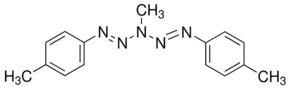
3-Methyl-1,5-di-p-tolyl-1,4-pentazadiene
Chemical Synthesis

3-Methyl-1,5-pentanediol
Chemical Synthesis
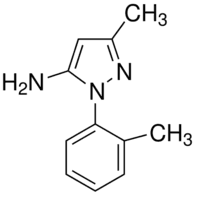
3-Methyl-1-(2-methylphenyl)-1H-pyrazol-5-amine
C11H13N3
Chemical Synthesis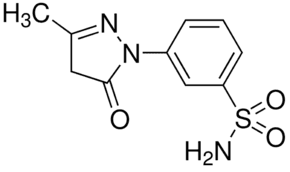
3-Methyl-1-(3′-sulfoamidophenyl)-5-pyrazolone
C10H11N3O3S
Chemical Synthesis