O,O′-Bis(2-aminopropyl)polypropylene glycol
O,O′-Bis(2-aminopropyl)polypropylene glycol (CAS 9046-10-0) is a versatile amine-terminated polypropylene glycol with a molecular weight of approximately 400. This hydrophobic polymer functions as a reactive amine with two primary amine groups, making it suitable for applications in polymer science and materials development. Its ether backbone offers flexibility and chemical resistance. Tech Serve Solutions supplies this chemical for research and industrial purposes.
- IUPAC
- Jeffamine® D-400®,Polypropylene glycol 130 bis(2-aminopropyl ether)
- Synonyms
- Polypropylene glycol 130 bis(2-aminopropyl ether)Jeffamine® D-400®
![O,O′-Bis(2-aminopropyl)polypropylene glycol (CH3CH(NH2)CH2[OCH2CH(CH3)]nNH2) — chemical structure, CAS 9046-10-0; Materials Science, fine chemical supplied by Tech Serve Solutions](/_next/image?url=https%3A%2F%2Fpub-f4d920c906024441a773a96f7098e551.r2.dev%2Fimages%2Fproducts%2F9046-10-0.png&w=3840&q=75)
Polymer Synthesis
Utilised as a cross-linking agent or chain extender in the synthesis of polyurethanes, polyamides, and epoxy resins due to its reactive primary amine groups. It can impart flexibility and hydrophobicity to the resulting polymers.
Epoxy Curing Agent
Functions as an effective curing agent for epoxy resins, contributing to good mechanical properties and chemical resistance in cured systems. The ether linkages provide flexibility to the cured epoxy network.
Materials Science Research
Investigated for use in developing novel materials, coatings, and adhesives where its unique structure can enhance performance characteristics such as adhesion, flexibility, and water resistance.
Chemical Intermediate
Serves as a building block for the synthesis of more complex molecules and specialty chemicals. The diamine functionality allows for various derivatisation reactions.
| Linear formula | CH3CH(NH2)CH2[OCH2CH(CH3)]nNH2 |
|---|---|
| Density | 0.948 g/mL at 25 °C |
| Refractive index | n20/D 1.447 |


Hazard statements
- H302Harmful if swallowed
- H314Causes severe skin burns and eye damage
- H412Harmful to aquatic life with long-lasting effects
Precautionary statements
- P273Avoid release to the environment
- P280Wear protective gloves, clothing and eye/face protection
- P305IF IN EYES
- P310Immediately call a POISON CENTER or doctor
| Protective equipment | Faceshields, full-face respirator (US), Gloves, Goggles, multi-purpose combination respirator cartridge (US), type ABEK (EN14387) respirator filter |
|---|---|
| Flash point | 163 °C / 325.4 °F |
| Transport (UN / ADR) | UN 2922 6.1(8) / PGIII |
| Water hazard class (WGK, DE) | 2 |
| Hazard codes (EU) | C |
| Risk statements (R) | 21/22-34-52/53 |
| Safety statements (S) | 26-36/37/39-45-61 |
Hazard information is provided for guidance. Always consult the product Safety Data Sheet (SDS), available on request, before handling.
| Mol Wt | Mr ~400 |
|---|
Documentation
Every batch ships with a Certificate of Analysis covering assay, identity and purity; the grade is confirmed against your enquiry. Safety Data Sheets and technical data sheets are available on request.
Supply & logistics
Samples for technical evaluation; bulk MOQ by grade and packaging. In-stock material ships in 7–10 working days, worldwide, with full export documentation.
What is O,O′-Bis(2-aminopropyl)polypropylene glycol used for?
+
O,O′-Bis(2-aminopropyl)polypropylene glycol (CAS 9046-10-0) is primarily used as a curing agent for epoxy resins, a component in polymer synthesis (e.g., polyurethanes, polyamides), and as an intermediate in materials science research. It contributes flexibility and hydrophobicity to materials.
What are the CAS number and formula for this product?
+
The CAS number for O,O′-Bis(2-aminopropyl)polypropylene glycol is 9046-10-0. Its linear formula is CH3CH(NH2)CH2[OCH2CH(CH3)]nNH2, with a molecular weight of approximately 400.
What grade and purity does Tech Serve Solutions supply?
+
Tech Serve Solutions supplies O,O′-Bis(2-aminopropyl)polypropylene glycol. The specific assay or purity is available upon request, and TSS does not represent this product as USP, BP, EP, or any other pharmacopoeia grade.
How should O,O′-Bis(2-aminopropyl)polypropylene glycol be handled safely?
+
This chemical is classified as Danger, with hazards including H302 + H312 (Harmful if swallowed or in contact with skin) and H314 (Causes severe skin burns and eye damage). It is also harmful to aquatic life with long lasting effects (H412). Always use appropriate personal protective equipment, including gloves, goggles, and protective clothing, and ensure adequate ventilation. Refer to the Safety Data Sheet for full handling instructions.
Is this product controlled or scheduled?
+
Based on the provided data, there is no indication that O,O′-Bis(2-aminopropyl)polypropylene glycol (CAS 9046-10-0) is a controlled or scheduled substance.
How is this product packed, shipped, and exported?
+
O,O′-Bis(2-aminopropyl)polypropylene glycol is supplied in appropriate packaging for chemical transport and can be exported globally. Shipping is conducted in compliance with relevant regulations, including UN 2922 classification for corrosive and toxic liquids, solid, n.o.s.
How can I request a sample or quote?
+
To request a sample or a quotation for O,O′-Bis(2-aminopropyl)polypropylene glycol, please contact the Tech Serve Solutions sales team through our website or by phone. Please specify the quantity required.
▶ Related products
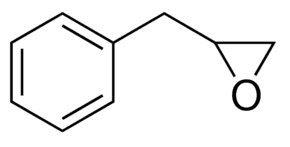
(2,3-Epoxypropyl)benzene
Polymer Science
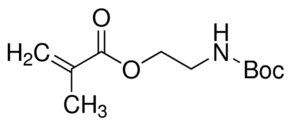
(2-Boc-amino)ethyl methacrylate
C11H19NO4
Polymer Science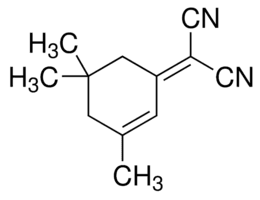
(3,5,5-Trimethylcyclohex-2-enylidene)malononitrile
Polymer Science
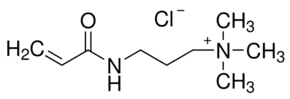
(3-Acrylamidopropyl)trimethylammonium chloride solution
Polymer Science
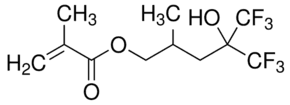
1,1,1-Trifluoro-2-(trifluoromethyl)-2-hydroxy-4-methyl-5-pentyl methacrylate
Polymer Science
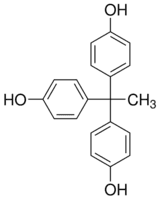
1,1,1-Tris(4-hydroxyphenyl)ethane
Polymer Science
1,1-Cyclohexanediacetic acid
Polymer Science

1,12-Diisocyanatododecane
Polymer Science