
Indium tin oxide
Indium tin oxide (CAS: 50926-11-9) is a critical material primarily used as a transparent conductive coating. It is a mixed oxide of indium and tin, known for its unique combination of electrical conductivity and optical transparency. This compound is extensively applied in the manufacturing of touch screens, LCDs, LEDs, and thin-film solar cells. Available from Tech Serve Solutions, it facilitates advanced electronic and optoelectronic applications.
- IUPAC
- ITO

Transparent Conductive Films
Indium tin oxide is widely used to create transparent conductive layers on glass and plastic substrates, essential for displays like LCDs and touch panels. Its conductivity allows for electrical signals while maintaining high optical transparency.
Electrochromic Devices
This oxide serves as a component in electrochromic devices, such as smart windows, which can change their optical properties (tint) when a voltage is applied. Its stability and conductivity are key to this function.
Photovoltaics
In the field of solar energy, indium tin oxide is employed as an electrode material in thin-film solar cells. It efficiently collects charge carriers while allowing sunlight to pass through to the active photovoltaic layer.
Anti-static Coatings
Its conductive properties make ITO suitable for anti-static coatings on electronic components, packaging, and displays to prevent electrostatic discharge damage.
| Assay | 99.99% trace metals basis |
|---|---|
| Boiling point | 82 °C |
| Density | 1.2 g/mL at 25 °C(lit.) |
| Refractive index | n20/D 1.517(lit.) |
| Concentration | 30 wt. % in isopropanol |
| Storage temperature | −20°C |
| Particle size | <50 nm |
| Melting point | 1910 °C(lit.) |

Hazard statements
- H315Causes skin irritation
- H319Causes serious eye irritation
- H335May cause respiratory irritation
Precautionary statements
- P261Avoid breathing dust, fume, gas or vapours
- P305IF IN EYES
| Water hazard class (WGK, DE) | 3 |
|---|---|
| Hazard codes (EU) | Xi |
| Risk statements (R) | 36/37/38 |
| Safety statements (S) | 26 |
Hazard information is provided for guidance. Always consult the product Safety Data Sheet (SDS), available on request, before handling.
| Transition Temp | softening point 975 °C |
|---|---|
| Surface Area | 27 m2/g |
| Transmittance | >87% |
Documentation
Every batch ships with a Certificate of Analysis covering assay, identity and purity; the grade is confirmed against your enquiry. Safety Data Sheets and technical data sheets are available on request.
Supply & logistics
Samples for technical evaluation; bulk MOQ by grade and packaging. In-stock material ships in 7–10 working days, worldwide, with full export documentation.
What is Indium Tin Oxide used for?
+
Indium tin oxide is predominantly used for transparent conductive films in electronic displays such as LCDs, touch screens, and LEDs, as well as in thin-film solar cells and anti-static coatings.
What is the CAS number and formula for Indium Tin Oxide?
+
The CAS number for Indium Tin Oxide is 50926-11-9. Its chemical formula is not explicitly provided but it is a mixed oxide of indium and tin.
What grade and purity does Tech Serve Solutions supply?
+
Tech Serve Solutions supplies Indium Tin Oxide with an assay of 99.99% trace metals basis. We do not represent this product as USP, BP, EP, or other pharmacopoeia grades.
How should Indium Tin Oxide be handled and stored?
+
Indium Tin Oxide is classified as a Warning with hazards including skin irritation (H315), eye irritation (H319), and respiratory irritation (H335). It should be stored at −20°C in a well-ventilated area, and appropriate personal protective equipment should be used during handling. Refer to the Safety Data Sheet for full details.
How is Indium Tin Oxide shipped or exported?
+
Indium Tin Oxide is packed and exported according to international shipping regulations for chemicals. Please contact us for specific details regarding your location and order requirements.
How can I request a sample or quote for Indium Tin Oxide?
+
To request a sample or quote for Indium Tin Oxide, please use the contact form on our website or reach out to our sales team directly with your specific requirements.
▶ Related products
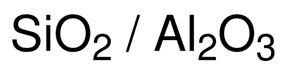
Aluminosilicate, mesostructured
Metal & Ceramic Science
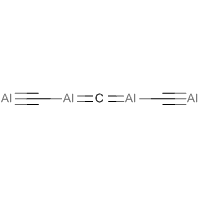
Aluminum carbide
Al4C3
Metal & Ceramic Science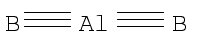
Aluminum diboride
AlB2
Metal & Ceramic Science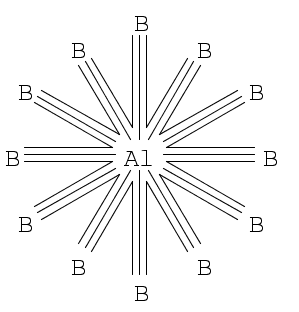
Aluminum dodecaboride
AlB12
Metal & Ceramic Science
Aluminum nitride
AlN
Metal & Ceramic Science
Aluminum sulfide
Al2S3
Metal & Ceramic Science
Aluminum titanate
Al2O3·TiO2
Metal & Ceramic Science
Aluminum zinc oxide
Al2O3/ZnO
Metal & Ceramic Science▶ Explore more

Bis(cyclopentadienyl)cobalt(III) hexafluorophosphate
C10H10CoF6P
Catalysis & Inorganic
1-(4-Chlorophenyl)biguanide hydrochloride
ClC6H4NHC(NH)NHC(NH)NH2 · HCl
Chemical Synthesis
Bis(cyclopentadienyl)dimethylzirconium(IV)
Catalysis & Inorganic

1-(4-Chlorophenyl)ethanol
ClC6H4CH(CH3)OH
Chemical Synthesis