Dieldrin
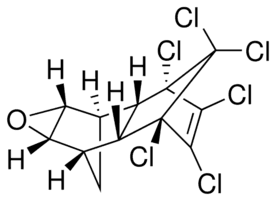
Dieldrin (CAS 60-57-1), a chlorinated hydrocarbon, is an epoxide monomer with the molecular formula C12H8Cl6O and a molecular weight of 380.91 g/mol. Historically used as an insecticide, its applications are now significantly restricted due to its environmental persistence and toxicity. It falls under categories including Epoxide Monomers, Materials Science, and Polymer Science, indicating its potential in specialised chemical synthesis and polymer development.
- IUPAC
- 1,2,3,4,10,10-Hexachloro-1,4,4a,5,6,7,8,8a-octahydro-6,7-epoxy-1,4:5,8-dimethanonaphthalene
Chemical Synthesis
Dieldrin can serve as a precursor or intermediate in specialised organic synthesis pathways. Its unique cyclic structure and chlorine substituents offer reactive sites for further chemical modification.
Polymer Science Research
As an epoxide monomer, Dieldrin has potential applications in the development of novel polymers. Its incorporation into polymer chains could impart specific properties related to its chlorinated structure.
Materials Science Investigations
Its defined chemical structure makes Dieldrin a subject of study in materials science, particularly for understanding the behaviour of chlorinated organic compounds in various matrices.
| Molecular weight | 380.91 |
|---|---|
| Empirical formula | C12H8Cl6O |
| Assay | ~90% |
| Grade | technical grade |
| Vapour density | 13.2 (vs air) |
| Melting point | 143-144 °C(lit.) |


Hazard statements
- H301Toxic if swallowed
- H310Fatal in contact with skin
- H351Suspected of causing cancer
- H372Causes damage to organs through prolonged exposure
- H410Very toxic to aquatic life with long-lasting effects
Precautionary statements
- P273Avoid release to the environment
- P280Wear protective gloves, clothing and eye/face protection
- P301IF SWALLOWED
- P302IF ON SKIN
- P310Immediately call a POISON CENTER or doctor
- P501Dispose of contents and container per local regulations
| Protective equipment | Eyeshields, Faceshields, full-face particle respirator type N100 (US), Gloves, respirator cartridge type N100 (US), type P1 (EN143) respirator filter, type P3 (EN 143) respirator cartridges |
|---|---|
| Transport (UN / ADR) | UN 2811PIH 6.1 / PGI |
| Water hazard class (WGK, DE) | 3 |
| Hazard codes (EU) | T+,N |
| Risk statements (R) | 25-27-40-48/25-50/53 |
| Safety statements (S) | 22-36/37-45-60-61 |
Hazard information is provided for guidance. Always consult the product Safety Data Sheet (SDS), available on request, before handling.
Documentation
Every batch ships with a Certificate of Analysis covering assay, identity and purity; the grade is confirmed against your enquiry. Safety Data Sheets and technical data sheets are available on request.
Supply & logistics
Samples for technical evaluation; bulk MOQ by grade and packaging. In-stock material ships in 7–10 working days, worldwide, with full export documentation.
What is Dieldrin used for?
+
Historically, Dieldrin was used as an insecticide. Its current applications are primarily in chemical synthesis and research due to environmental and toxicity concerns. It is also studied in polymer and materials science.
What is the CAS number and chemical formula for Dieldrin?
+
The CAS number for Dieldrin is 60-57-1, and its chemical formula is C12H8Cl6O.
What grade and purity does Tech Serve Solutions supply?
+
Tech Serve Solutions supplies Dieldrin in technical grade with an assay of approximately 90%. We do not represent this product as meeting pharmacopoeial standards such as USP, BP, or EP.
How should Dieldrin be handled safely?
+
Dieldrin is highly toxic and poses significant environmental hazards. Handling requires stringent safety measures, including full-face particle respirators (N100), chemical-resistant gloves, eyeshields, and face shields. Ensure adequate ventilation and prevent environmental release. Consult the Safety Data Sheet for comprehensive guidance.
Is Dieldrin a controlled substance?
+
Dieldrin is a persistent organic pollutant and its use is highly regulated or banned in many regions. Users should verify compliance with all local and international regulations regarding its possession and use.
How is Dieldrin packed and exported?
+
Dieldrin is packed and exported in compliance with relevant transportation regulations for hazardous materials, including UN 2811 classification. Specific packaging details are confirmed upon order.
How can I request a quote or sample of Dieldrin?
+
To request a quote or sample of Dieldrin, please contact our sales team through the website or via direct inquiry, providing your specific requirements and shipping details.
▶ Related products
(2,3-Epoxypropyl)benzene
Polymer Science
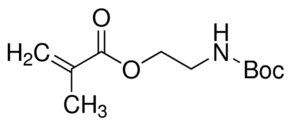
(2-Boc-amino)ethyl methacrylate
C11H19NO4
Polymer Science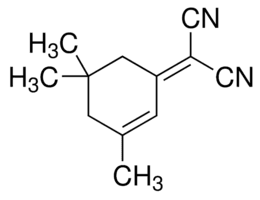
(3,5,5-Trimethylcyclohex-2-enylidene)malononitrile
Polymer Science
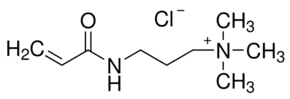
(3-Acrylamidopropyl)trimethylammonium chloride solution
Polymer Science
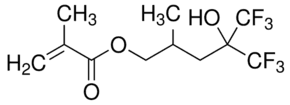
1,1,1-Trifluoro-2-(trifluoromethyl)-2-hydroxy-4-methyl-5-pentyl methacrylate
Polymer Science
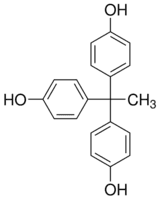
1,1,1-Tris(4-hydroxyphenyl)ethane
Polymer Science
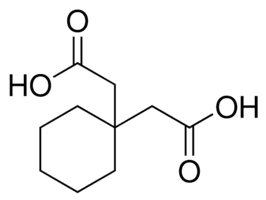
1,1-Cyclohexanediacetic acid
Polymer Science

1,12-Diisocyanatododecane
Polymer Science