
Aniline
Aniline (CAS: 62-53-3; C₆H₅NH₂) is a fundamental aromatic amine and a crucial building block in organic synthesis. With a molecular weight of 93.13 g/mol, it serves as a primary intermediate in the production of polyurethane foams, dyes, pigments, rubber processing chemicals, and pharmaceuticals. Aniline is also utilised in various laboratory research applications due to its versatile reactivity. Tech Serve Solutions supplies Aniline meeting JIS special grade specifications.

Polyurethane Production
Aniline is a key precursor in the manufacturing of methylene diphenyl diisocyanate (MDI), which is essential for producing rigid and flexible polyurethane foams used in insulation, furniture, and automotive applications.
Dye and Pigment Synthesis
Historically and currently, Aniline is a vital intermediate for the synthesis of a wide array of azo dyes and pigments, imparting colour to textiles, inks, and coatings.
Rubber Chemicals
It is used in the production of rubber accelerators and antioxidants, which are critical for enhancing the durability and performance of rubber products.
Pharmaceutical Intermediates
Aniline serves as a starting material or intermediate in the synthesis of various pharmaceutical compounds, contributing to the development of medicines.
| Molecular weight | 93.13 |
|---|---|
| Linear formula | C6H5NH2 |
| Assay | ≥99.0% (GC) |
| Grade | JIS special grade |
| Boiling point | 184 °C(lit.) |
| Density | 1.022 g/mL at 20 °C1.022 g/mL at 25 °C(lit.) |
| Refractive index | n20/D 1.586(lit.)n20/D 1.586 |
| Melting point | −6 °C(lit.) |
| Vapour pressure | 0.7 mmHg (25 °C) |
| Vapour density | 3.22 (185 °C, vs air) |
| Autoignition temp | 1139 °F |


Hazard statements
- H301Toxic if swallowed
- H311Toxic in contact with skin
- H317May cause an allergic skin reaction
- H318Causes serious eye damage
- H331Toxic if inhaled
- H341Suspected of causing genetic defects
- H351Suspected of causing cancer
- H372Causes damage to organs through prolonged exposure
- H400Very toxic to aquatic life
Precautionary statements
- P261Avoid breathing dust, fume, gas or vapours
- P273Avoid release to the environment
- P280Wear protective gloves, clothing and eye/face protection
- P301IF SWALLOWED
- P305IF IN EYES
- P311Call a POISON CENTER or doctor
| Protective equipment | Eyeshields, Faceshields, full-face respirator (US), Gloves, multi-purpose combination respirator cartridge (US), type ABEK (EN14387) respirator filter |
|---|---|
| Flash point | 70 °C / 158 °F |
| Transport (UN / ADR) | UN 1547 6.1 / PGII |
| Water hazard class (WGK, DE) | 2 |
| Hazard codes (EU) | T,N |
| Risk statements (R) | 23/24/25-40-41-43-48/23/24/25-50-68 |
| Safety statements (S) | 26-27-36/37/39-45-46-61-63 |
Hazard information is provided for guidance. Always consult the product Safety Data Sheet (SDS), available on request, before handling.
| Expl Lim | 11 % |
|---|---|
| Availability | available only in Japan |
Documentation
Every batch ships with a Certificate of Analysis covering assay, identity and purity; the grade is confirmed against your enquiry. Safety Data Sheets and technical data sheets are available on request.
Supply & logistics
Samples for technical evaluation; bulk MOQ by grade and packaging. In-stock material ships in 7–10 working days, worldwide, with full export documentation.
What is Aniline used for?
+
Aniline is primarily used as an intermediate in the synthesis of polyurethanes, dyes, pigments, rubber processing chemicals, and pharmaceuticals. It also finds use in various laboratory research applications.
What are the CAS number and chemical formula for Aniline?
+
The CAS number for Aniline is 62-53-3, and its chemical formula is C₆H₅NH₂.
What grade and purity does Tech Serve Solutions supply?
+
Tech Serve Solutions supplies Aniline with a JIS special grade specification, assaying ≥99.0% (GC).
How should Aniline be handled safely?
+
Aniline is a hazardous substance. It is toxic by inhalation, in contact with skin, and if swallowed. It can cause serious eye damage and skin sensitisation. Handle with appropriate personal protective equipment, including eyeshields, face shields, gloves, and a suitable respirator. Ensure adequate ventilation and avoid release to the environment. Refer to the Safety Data Sheet for comprehensive handling instructions.
Is Aniline a controlled substance?
+
While not explicitly listed as a controlled substance in the provided data, Aniline is subject to stringent regulations due to its hazardous properties and potential for misuse. Always comply with relevant national and international regulations.
How is Aniline packed, shipped, and exported?
+
Aniline is typically packed in UN-approved containers suitable for hazardous materials. Shipping and export are conducted in compliance with international regulations for dangerous goods (UN 1547, 6.1, PGII). Please contact TSS for specific export capabilities to your region.
How can I request a sample or quote for Aniline?
+
To request a sample or a quotation for Aniline, please contact the Tech Serve Solutions sales team through our website or by phone, providing your specific requirements and delivery location.
▶ Related products
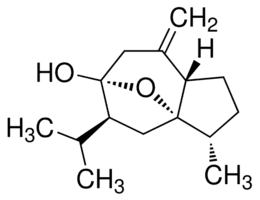
(−)-Curcumol
C15H24O2
Cell Biology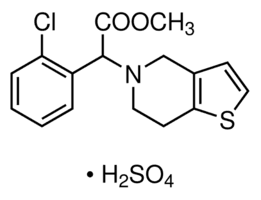
(±) Clopidogrel hydrogensulfate
Cell Biology
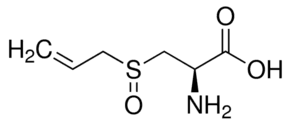
(±)-L-Alliin
C6H11NO3S
Cell Biology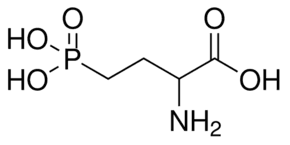
(±)-2-Amino-4-phosphonobutyric acid
C4H10NO5P
Cell Biology
(±)-2-Methylarachidonoyl-2′-fluoroethylamide
C23H38NOF
Cell Biology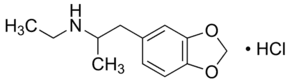
(±)-3,4-Methylenedioxy-N-ethylamphetamine hydrochloride
Cell Biology
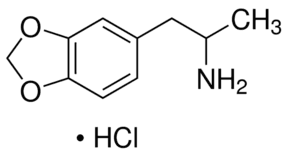
(±)-3,4-Methylenedioxyamphetamine hydrochloride
Cell Biology
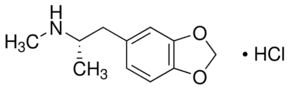
(±)-3,4-Methylenedioxymethamphetamine hydrochloride
Cell Biology
▶ Explore more
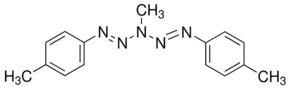
3-Methyl-1,5-di-p-tolyl-1,4-pentazadiene
Chemical Synthesis

3-Methyl-1,5-pentanediol
Chemical Synthesis
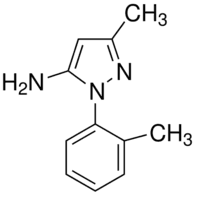
3-Methyl-1-(2-methylphenyl)-1H-pyrazol-5-amine
C11H13N3
Chemical Synthesis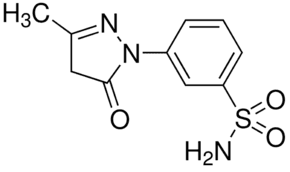
3-Methyl-1-(3′-sulfoamidophenyl)-5-pyrazolone
C10H11N3O3S
Chemical Synthesis