
Anacardic acid
Anacardic acid (CAS: 16611-84-0), with the molecular formula C22H36O3 and a molecular weight of 348.52 g/mol, is a naturally occurring phenolic lipid. It functions as a histone acetyltransferase (HAT) inhibitor and exhibits broad-spectrum biological activities, including bactericidal, fungicidal, insecticidal, and anti-termite properties. This compound is investigated for its therapeutic potential in managing conditions like cancer, inflammation, and obesity, and for its role in cellular processes.
- IUPAC
- 22:0-Anacardic acid,2-Hydroxy-6-pentadecylbenzoic acid,6-Pentadecylsalicylic acid
- Synonyms
- 2-Hydroxy-6-pentadecylbenzoic acid6-Pentadecylsalicylic acid
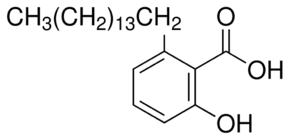
Histone Acetyltransferase (HAT) Inhibition
Anacardic acid is recognized as a potent inhibitor of histone acetyltransferases (HATs). This activity makes it a valuable tool in epigenetics research for studying gene regulation and expression.
Therapeutic Research
Its diverse pharmacological properties, including anti-inflammatory, anti-oxidative, and anti-cancer effects, position anacardic acid as a subject of interest for developing treatments for various pathophysiological disorders.
Antimicrobial and Insecticidal Agent
The compound possesses notable bactericide, fungicide, insecticide, anti-termite, and molluscicide activities, suggesting potential applications in pest control and agricultural science.
Enzyme Inhibition Studies
Anacardic acid is known to inhibit multiple enzymes, including NFκB kinase, lipoxygenase (LOX-1), xanthine oxidase, tyrosinase, and ureases, making it useful in biochemical and pharmacological research.
| Molecular weight | 348.52 |
|---|---|
| Empirical formula | C22H36O3 |
| Assay | ≥98% (HPLC) |
| Form | powder |
| Colour | white to beige |
| Solubility | DMSO: ≥20 mg/mL |
| Storage temperature | −20°C |
| Application | Anacardic acid is a histone acetyltransferase (HAT) inhibitor. Anacardic acid has bactericide, fungicide, insecticide, anti-termite and molluscicide properties and acts as a therapeutic agent in the treatment of pathophysiological disorders such as cancer, oxidative damage, inflammation and obesity. Anacardic acid is a common inhibitor of several clinically targeted enzymes such as NFκB kinase, histone acetyltransferase (HATs), lipoxygenase (LOX-1), xanthine oxidase, tyrosinase and ureases. |

Hazard statements
- H319Causes serious eye irritation
Precautionary statements
- P305IF IN EYES
| Water hazard class (WGK, DE) | 1 |
|---|---|
| Hazard codes (EU) | Xi |
| Risk statements (R) | 36 |
| Safety statements (S) | 26 |
Hazard information is provided for guidance. Always consult the product Safety Data Sheet (SDS), available on request, before handling.
| Storage Condition | protect from lightunder inert gas |
|---|
Documentation
Every batch ships with a Certificate of Analysis covering assay, identity and purity; the grade is confirmed against your enquiry. Safety Data Sheets and technical data sheets are available on request.
Supply & logistics
Samples for technical evaluation; bulk MOQ by grade and packaging. In-stock material ships in 7–10 working days, worldwide, with full export documentation.
What is Anacardic acid used for?
+
Anacardic acid is used as a histone acetyltransferase (HAT) inhibitor in research. It also exhibits bactericidal, fungicidal, insecticidal, and anti-termite properties and is studied for its therapeutic potential in treating disorders like cancer, inflammation, and obesity.
What is the CAS number and chemical formula for Anacardic acid?
+
The CAS number for Anacardic acid is 16611-84-0, and its empirical formula is C22H36O3.
What grade and purity does Tech Serve Solutions supply?
+
Tech Serve Solutions supplies Anacardic acid with a purity of ≥98% (HPLC). We do not represent this product as USP, BP, or EP grade.
How should Anacardic acid be handled safely?
+
Anacardic acid is classified with a GHS07 symbol and a Warning signal word, indicating it causes serious eye irritation (H319). Handle with appropriate personal protective equipment and follow safety instructions, particularly P305 + P351 + P338 for eye contact.
How is Anacardic acid packed, shipped, and exported?
+
Anacardic acid is typically supplied as a white to beige powder and stored at -20°C. It is protected from light and kept under an inert gas. TSS offers global export services for this product.
How can I request a sample or quote for Anacardic acid?
+
To request a sample or a quote for Anacardic acid, please contact our sales team through the TSS website.
▶ Related products
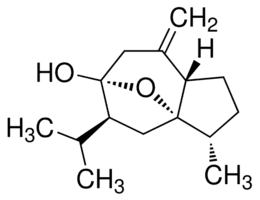
(−)-Curcumol
C15H24O2
Cell Biology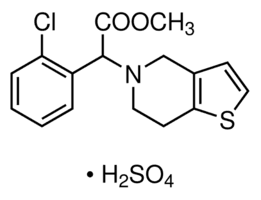
(±) Clopidogrel hydrogensulfate
Cell Biology
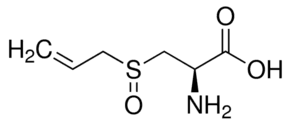
(±)-L-Alliin
C6H11NO3S
Cell Biology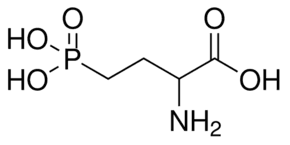
(±)-2-Amino-4-phosphonobutyric acid
C4H10NO5P
Cell Biology
(±)-2-Methylarachidonoyl-2′-fluoroethylamide
C23H38NOF
Cell Biology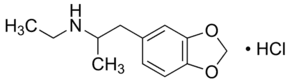
(±)-3,4-Methylenedioxy-N-ethylamphetamine hydrochloride
Cell Biology
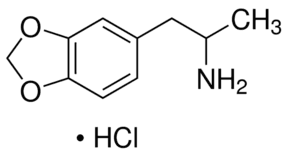
(±)-3,4-Methylenedioxyamphetamine hydrochloride
Cell Biology
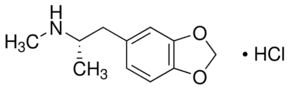
(±)-3,4-Methylenedioxymethamphetamine hydrochloride
Cell Biology
▶ Explore more
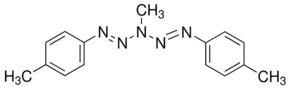
3-Methyl-1,5-di-p-tolyl-1,4-pentazadiene
Chemical Synthesis

3-Methyl-1,5-pentanediol
Chemical Synthesis
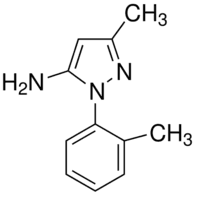
3-Methyl-1-(2-methylphenyl)-1H-pyrazol-5-amine
C11H13N3
Chemical Synthesis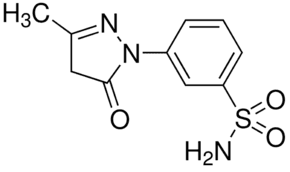
3-Methyl-1-(3′-sulfoamidophenyl)-5-pyrazolone
C10H11N3O3S
Chemical Synthesis