
3-[2,5-Bis(chloromethyl)-4-methoxyphenoxy]-1-propanesulfonyl chloride
3-[2,5-Bis(chloromethyl)-4-methoxyphenoxy]-1-propanesulfonyl chloride (CAS: 118943-26-3) is a specialised organic compound with the linear formula H3COC6H2(O(CH2)3SO2Cl)(CH2Cl)2 and a molecular weight of 361.67. This compound serves as a valuable intermediate and reagent in advanced materials science, particularly in the synthesis of conductive polymers and organic electronics. Its specific structure allows for controlled polymerisation and functionalisation in research and development settings.
- Synonyms
- H3COC6H2(O(CH2)3SO2Cl)(CH2Cl)2
![3-[2,5-Bis(chloromethyl)-4-methoxyphenoxy]-1-propanesulfonyl chloride (H3COC6H2(O(CH2)3SO2Cl)(CH2Cl)2) — chemical structure, CAS 118943-26-3; Materials Science, fine chemical supplied by Tech Serve Solutions](/_next/image?url=https%3A%2F%2Fpub-f4d920c906024441a773a96f7098e551.r2.dev%2Fimages%2Fproducts%2F118943-26-3.png&w=3840&q=75)
Monomer for Conductive Polymers
This compound is utilised as a precursor for the synthesis of specific polyphenylenevinylene (PPV) derivatives, such as CN-PPV. It enables the creation of polymers with tailored electronic and optical properties for applications in organic electronics.
Organic and Printed Electronics
It acts as a key building block in the development of advanced materials for organic light-emitting diodes (OLEDs), organic photovoltaics (OPVs), and other printed electronic devices. The functional groups facilitate controlled material deposition and device fabrication.
Synthetic Reagent in Organic Chemistry
As a versatile sulfonyl chloride and alkyl halide, it can be employed in various organic synthesis pathways. Its reactive sites allow for the introduction of specific functionalities into complex molecular structures for research purposes.
| Molecular weight | 361.67 |
|---|---|
| Linear formula | H3COC6H2(O(CH2)3SO2Cl)(CH2Cl)2 |
| Assay | 98% |
| Melting point | 97 °C (dec.)(lit.) |

Hazard statements
- H314Causes severe skin burns and eye damage
Precautionary statements
- P280Wear protective gloves, clothing and eye/face protection
- P305IF IN EYES
- P310Immediately call a POISON CENTER or doctor
| Protective equipment | Eyeshields, Faceshields, full-face particle respirator type N100 (US), Gloves, respirator cartridge type N100 (US), type P1 (EN143) respirator filter, type P3 (EN 143) respirator cartridges |
|---|---|
| Transport (UN / ADR) | UN 3261 8 / PGII |
| Water hazard class (WGK, DE) | 3 |
| Hazard codes (EU) | C |
| Risk statements (R) | 34 |
| Safety statements (S) | 26-36/37/39-45 |
Hazard information is provided for guidance. Always consult the product Safety Data Sheet (SDS), available on request, before handling.
Documentation
Every batch ships with a Certificate of Analysis covering assay, identity and purity; the grade is confirmed against your enquiry. Safety Data Sheets and technical data sheets are available on request.
Supply & logistics
Samples for technical evaluation; bulk MOQ by grade and packaging. In-stock material ships in 7–10 working days, worldwide, with full export documentation.
What is 3-[2,5-Bis(chloromethyl)-4-methoxyphenoxy]-1-propanesulfonyl chloride used for?
+
This compound is primarily used as a monomer in the synthesis of conductive polymers like Polyphenylenevinylene (PPV) derivatives and as a reagent in organic and printed electronics research and development.
What are the CAS number and formula for this product?
+
The CAS number is 118943-26-3, and its linear formula is H3COC6H2(O(CH2)3SO2Cl)(CH2Cl)2.
What grade and purity does Tech Serve Solutions supply?
+
Tech Serve Solutions supplies this compound with an assay of 98%. We do not represent this product as USP, BP, EP or any other pharmacopoeia grade.
How should this chemical be handled safely?
+
This compound is classified as Danger (GHS05) and causes severe skin burns and eye damage (H314). Handling requires appropriate personal protective equipment, including eyeshields, faceshields, full-face particle respirators, and chemical-resistant gloves. Ensure adequate ventilation and follow emergency procedures. Full safety data sheets must be consulted prior to use.
How is this chemical packed and exported?
+
This chemical is shipped as UN 3261, Class 8, Packing Group II, indicating it is a corrosive solid, acidic, organic, n.o.s. Tech Serve Solutions complies with all international shipping regulations for hazardous materials.
How can I request a sample or quote?
+
To request a sample or a quote for 3-[2,5-Bis(chloromethyl)-4-methoxyphenoxy]-1-propanesulfonyl chloride, please contact our sales team via the website or direct email, providing your required quantity and shipping details.
▶ Related products
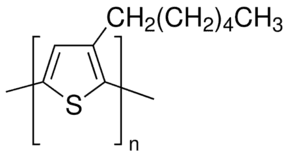
Poly(3-hexylthiophene-2,5-diyl)
Organic & Printed Electronics
![[6,6]-Phenyl C71 butyric acid methyl ester, mixture of isomers — chemical structure, CAS 609771-63-3; Organic & Printed Electronics, fine chemical supplied by Tech Serve Solutions](/_next/image?url=https%3A%2F%2Fpub-f4d920c906024441a773a96f7098e551.r2.dev%2Fimages%2Fproducts%2F609771-63-3.png&w=3840&q=75)
[6,6]-Phenyl C71 butyric acid methyl ester, mixture of isomers
Organic & Printed Electronics
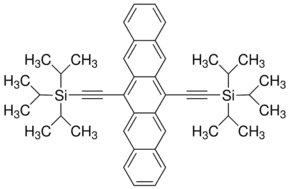
6,13-Bis(triisopropylsilylethynyl)pentacene
Organic & Printed Electronics
![[6,6]-Phenyl C61 butyric acid methyl ester — chemical structure, CAS 160848-22-6; Organic & Printed Electronics, fine chemical supplied by Tech Serve Solutions](/_next/image?url=https%3A%2F%2Fpub-f4d920c906024441a773a96f7098e551.r2.dev%2Fimages%2Fproducts%2F160848-22-6.png&w=3840&q=75)
[6,6]-Phenyl C61 butyric acid methyl ester
Organic & Printed Electronics
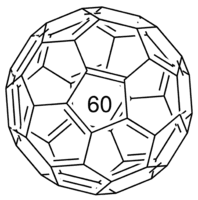
Fullerene-C60
C60
Organic & Printed Electronics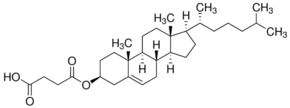
Cholesteryl hemisuccinate
C31H50O4
Organic & Printed Electronics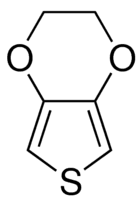
3,4-Ethylenedioxythiophene
Organic & Printed Electronics
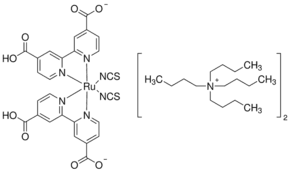
Di-tetrabutylammonium cis-bis(isothiocyanato)bis(2,2′-bipyridyl-4,4′-dicarboxylato)ruthenium(II)
Organic & Printed Electronics
▶ Explore more

4-Acetylphenoxyacetic acid
CH3COC6H4OCH2CO2H
Chemical Synthesis
(4-Iodophenylethynyl)trimethylsilane
C11H13ISi
Chemical Synthesis
4-Acetylphenyl isocyanate
CH3COC6H4NCO
Chemical Synthesis
4-Acetylphenyl sulfate potassium salt
CH3C(O)C6H4OS(O)2OK
Chemical Synthesis