
2-(Trifluoromethyl)-4-quinolinol
2-(Trifluoromethyl)-4-quinolinol (CAS: 1701-18-4) is a chemical compound with the formula C10H6F3NO and a molecular weight of 213.16 g/mol. It belongs to the class of fluorinated heterocyclic building blocks, specifically a trifluoromethyl-substituted quinolinol derivative. This compound serves as a valuable intermediate in organic synthesis, particularly for the development of novel chemical entities and functional materials. Its unique structural features make it a sought-after reagent in research and development settings.

Organic Synthesis Intermediate
Serves as a key building block in multi-step organic synthesis pathways. Its trifluoromethyl and quinoline functionalities allow for diverse chemical transformations.
Pharmaceutical Research
Utilised in the development of new active pharmaceutical ingredients (APIs) and drug candidates. The quinoline scaffold is present in numerous bioactive molecules.
Material Science
Can be incorporated into advanced materials, leveraging the electronic and physical properties conferred by the fluorinated quinoline structure.
Agrochemical Development
Potential use in the synthesis of novel agrochemicals, where fluorinated heterocycles often exhibit enhanced efficacy and stability.
| Molecular weight | 213.16 |
|---|---|
| Empirical formula | C10H6F3NO |
Documentation
Every batch ships with a Certificate of Analysis covering assay, identity and purity; the grade is confirmed against your enquiry. Safety Data Sheets and technical data sheets are available on request.
Supply & logistics
Samples for technical evaluation; bulk MOQ by grade and packaging. In-stock material ships in 7–10 working days, worldwide, with full export documentation.
What is 2-(Trifluoromethyl)-4-quinolinol used for?
+
2-(Trifluoromethyl)-4-quinolinol is primarily used as a versatile building block in organic synthesis, including pharmaceutical research, material science, and agrochemical development. Its fluorinated quinoline structure is valuable for creating novel chemical entities.
What are the CAS number and formula for 2-(Trifluoromethyl)-4-quinolinol?
+
The CAS number for 2-(Trifluoromethyl)-4-quinolinol is 1701-18-4, and its empirical formula is C10H6F3NO.
What grade and purity does Tech Serve Solutions supply?
+
Tech Serve Solutions supplies 2-(Trifluoromethyl)-4-quinolinol for research and chemical synthesis. The specific grade and purity are available upon request; we do not represent this product as USP, BP, or EP grade.
How should 2-(Trifluoromethyl)-4-quinolinol be handled?
+
Handle 2-(Trifluoromethyl)-4-quinolinol with appropriate personal protective equipment. Consult the Safety Data Sheet (SDS) for detailed hazard information, including potential skin and eye irritation. Ensure adequate ventilation.
Is 2-(Trifluoromethyl)-4-quinolinol available for export?
+
Yes, Tech Serve Solutions is a global supplier and exporter of fine chemicals, including 2-(Trifluoromethyl)-4-quinolinol, and can facilitate international shipments.
How can I request a sample or quote for 2-(Trifluoromethyl)-4-quinolinol?
+
To request a sample or quote for 2-(Trifluoromethyl)-4-quinolinol, please contact our sales department through the website or by phone, providing your requirements and shipping details.
▶ Related products
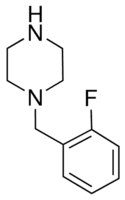
1-(2-Fluorobenzyl)piperazine
C11H15FN2
Chemical Synthesis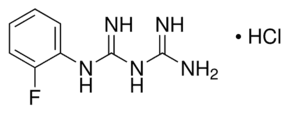
1-(2-Fluorophenyl)biguanide hydrochloride
Chemical Synthesis
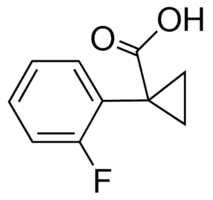
1-(2-Fluorophenyl)cyclopropanecarboxylic acid
C10H9FO2
Chemical Synthesis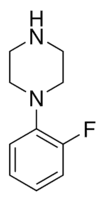
1-(2-Fluorophenyl)piperazine
C10H13FN2
Chemical Synthesis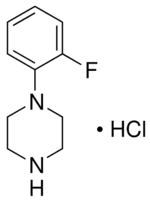
1-(2-Fluorophenyl)piperazine monohydrochloride
C10H13FN2 · HCl
Chemical Synthesis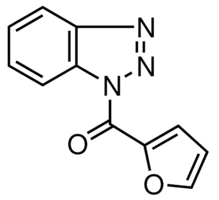
1-(2-Furoyl)-1H-benzotriazole
C11H7N3O2
Chemical Synthesis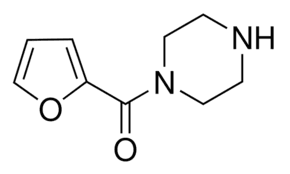
1-(2-Furoyl)piperazine
C9H12N2O2
Chemical Synthesis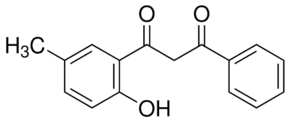
1-(2-Hydroxy-5-methylphenyl)-3-phenyl-1,3-propanedione
Chemical Synthesis
▶ Explore more
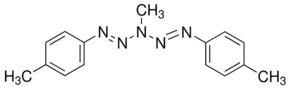
3-Methyl-1,5-di-p-tolyl-1,4-pentazadiene
Chemical Synthesis

3-Methyl-1,5-pentanediol
Chemical Synthesis
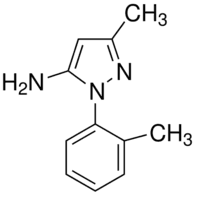
3-Methyl-1-(2-methylphenyl)-1H-pyrazol-5-amine
C11H13N3
Chemical Synthesis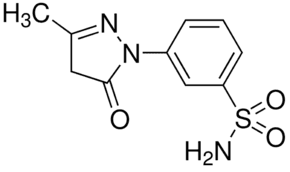
3-Methyl-1-(3′-sulfoamidophenyl)-5-pyrazolone
C10H11N3O3S
Chemical Synthesis