
2,6-Dichloropyridine-3-carbonitrile
2,6-Dichloropyridine-3-carbonitrile (CAS: 40381-90-6), with the molecular formula C6H2Cl2N2 and a molecular weight of 173.00 g/mol, is a halogenated heterocyclic compound. It serves as a valuable building block in organic synthesis, particularly for the construction of more complex pyridine derivatives. Its distinct chemical structure makes it a key intermediate in the development of novel compounds within the pharmaceutical and agrochemical sectors. Tech Serve Solutions offers this chemical for research and development purposes.
- IUPAC
- 2,6-Dichloronicotinonitrile
- Synonyms
- 2,6-DichloronicotinonitrileC6H2Cl2N2

Organic Synthesis Intermediate
Utilised as a precursor in the synthesis of various organic molecules. The presence of two chlorine atoms and a nitrile group allows for diverse chemical transformations.
Pharmaceutical Research
Serves as a building block for developing new drug candidates and active pharmaceutical ingredients (APIs). Its heterocyclic nature is common in many biologically active compounds.
Agrochemical Development
A key intermediate in the creation of new pesticides, herbicides, and fungicides. The pyridine core is found in numerous agrochemical products.
Material Science
Can be employed in the synthesis of specialised materials and functional molecules where a dichloropyridine moiety is required.
| Molecular weight | 173.00 |
|---|---|
| Empirical formula | C6H2Cl2N2 |
| Assay | 97% |
| Melting point | 121-125 °C |


Hazard statements
- H301Toxic if swallowed
- H315Causes skin irritation
- H318Causes serious eye damage
- H335May cause respiratory irritation
Precautionary statements
- P261Avoid breathing dust, fume, gas or vapours
- P280Wear protective gloves, clothing and eye/face protection
- P301IF SWALLOWED
- P305IF IN EYES
| Protective equipment | Eyeshields, Faceshields, Gloves, type P2 (EN 143) respirator cartridges |
|---|---|
| Transport (UN / ADR) | UN 2811 6.1 / PGIII |
| Water hazard class (WGK, DE) | 3 |
| Hazard codes (EU) | T |
| Risk statements (R) | 25-37/38-41 |
| Safety statements (S) | 26-39-45 |
Hazard information is provided for guidance. Always consult the product Safety Data Sheet (SDS), available on request, before handling.
Documentation
Every batch ships with a Certificate of Analysis covering assay, identity and purity; the grade is confirmed against your enquiry. Safety Data Sheets and technical data sheets are available on request.
Supply & logistics
Samples for technical evaluation; bulk MOQ by grade and packaging. In-stock material ships in 7–10 working days, worldwide, with full export documentation.
What is 2,6-Dichloropyridine-3-carbonitrile used for?
+
2,6-Dichloropyridine-3-carbonitrile is primarily used as a building block in organic synthesis, particularly in the research and development of new pharmaceutical and agrochemical compounds. It is also valuable in material science.
What are the CAS number and formula for 2,6-Dichloropyridine-3-carbonitrile?
+
The CAS number for 2,6-Dichloropyridine-3-carbonitrile is 40381-90-6, and its empirical formula (Hill notation) is C6H2Cl2N2.
What grade and purity does Tech Serve Solutions supply for 2,6-Dichloropyridine-3-carbonitrile?
+
Tech Serve Solutions supplies 2,6-Dichloropyridine-3-carbonitrile with a minimum purity of 97%. This product is intended for research and chemical synthesis and is not represented as USP, BP, EP, or pharmacopoeia grade.
What are the safety and handling precautions for 2,6-Dichloropyridine-3-carbonitrile?
+
This compound is classified as dangerous. It is toxic if swallowed (H301), causes skin irritation (H315), causes serious eye damage (H318), and may cause respiratory irritation (H335). Handle with appropriate personal protective equipment, including eyeshields, face shields, gloves, and a type P2 respirator, in a well-ventilated area. In case of accidental exposure, follow emergency procedures.
How is 2,6-Dichloropyridine-3-carbonitrile shipped and exported?
+
2,6-Dichloropyridine-3-carbonitrile is shipped and exported according to international regulations for hazardous materials. It is classified under UN 2811, Hazard Class 6.1, Packing Group III.
How can I request a quote or sample of 2,6-Dichloropyridine-3-carbonitrile?
+
To request a quote or a sample of 2,6-Dichloropyridine-3-carbonitrile, please contact our sales department via the website or direct email, providing your details and the quantity required.
▶ Related products
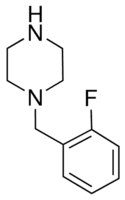
1-(2-Fluorobenzyl)piperazine
C11H15FN2
Chemical Synthesis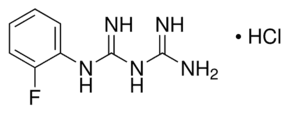
1-(2-Fluorophenyl)biguanide hydrochloride
Chemical Synthesis
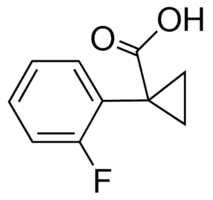
1-(2-Fluorophenyl)cyclopropanecarboxylic acid
C10H9FO2
Chemical Synthesis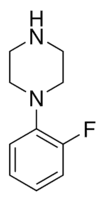
1-(2-Fluorophenyl)piperazine
C10H13FN2
Chemical Synthesis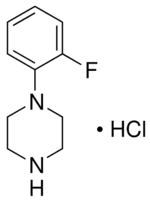
1-(2-Fluorophenyl)piperazine monohydrochloride
C10H13FN2 · HCl
Chemical Synthesis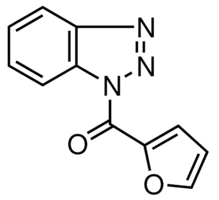
1-(2-Furoyl)-1H-benzotriazole
C11H7N3O2
Chemical Synthesis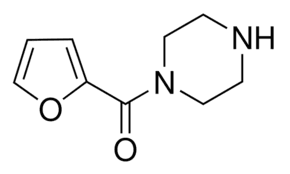
1-(2-Furoyl)piperazine
C9H12N2O2
Chemical Synthesis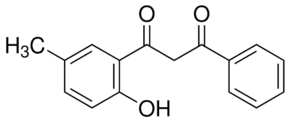
1-(2-Hydroxy-5-methylphenyl)-3-phenyl-1,3-propanedione
Chemical Synthesis
▶ Explore more
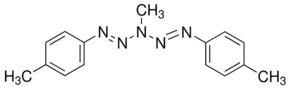
3-Methyl-1,5-di-p-tolyl-1,4-pentazadiene
Chemical Synthesis

3-Methyl-1,5-pentanediol
Chemical Synthesis
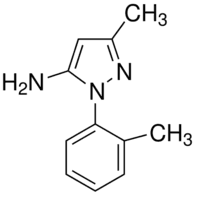
3-Methyl-1-(2-methylphenyl)-1H-pyrazol-5-amine
C11H13N3
Chemical Synthesis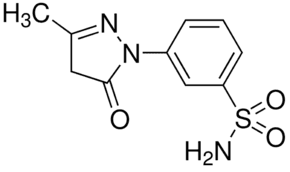
3-Methyl-1-(3′-sulfoamidophenyl)-5-pyrazolone
C10H11N3O3S
Chemical Synthesis