
Zirconium yttrium alloy
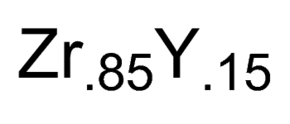
Tech Serve Solutions offers Zirconium Yttrium alloy (CAS: 1207371-34-3, Formula: Zr.85Y.15). This high-purity material, typically at 99.9% trace metals basis (excluding <=1% Hf), is crucial for advanced materials science and microelectronics applications. Its primary use is in physical vapor deposition (PVD) processes, particularly for creating thin films essential in the development of intermediate temperature solid oxide fuel cells (IT-SOFC).
- IUPAC
- Zr/Y
Solid Oxide Fuel Cells (SOFC)
Zirconium Yttrium alloy sputtering targets are used to deposit thin Yttria-Stabilized Zirconia (YSZ) films. These films are vital for creating high-performance electrode and electrolyte layers in intermediate temperature solid oxide fuel cells (IT-SOFC), which operate below 800°C.
Physical Vapor Deposition (PVD)
This alloy serves as a precursor for vapor deposition techniques, enabling the precise deposition of thin films. It is commonly employed in PVD processes, including sputtering, for various microelectronic and materials science applications.
Micro/Nanoelectronics
The alloy's properties make it suitable for developing advanced thin-film devices in the micro and nanoelectronics sector. Its application in depositing specific layers contributes to the fabrication of sophisticated electronic components.
| Linear formula | Zr.85Y.15 |
|---|---|
| Assay | 99.9% trace metals basis (excluding <=1% Hf) |
| Application | Solid Oxide Fuel cells operating at temperatures below 800 C (also known as intermediate temperature solid oxide fuel cell, IT-SOFC) are currently the topic of much research and development owing to the high degradation rates and materials costs incurred for SOFC operating at temperatures above 900 C. Thin films of electrode and electrolyte layers is one of the ways to achieve high performances in IT-SOFC. Zirconium yttrium alloy sputtering targets can be used to deposit thin films of YSZ layers with high electronic conductivities. |
Documentation
Every batch ships with a Certificate of Analysis covering assay, identity and purity; the grade is confirmed against your enquiry. Safety Data Sheets and technical data sheets are available on request.
Supply & logistics
Samples for technical evaluation; bulk MOQ by grade and packaging. In-stock material ships in 7–10 working days, worldwide, with full export documentation.
What is Zirconium Yttrium alloy (CAS: 1207371-34-3) used for?
+
Zirconium Yttrium alloy is primarily used as sputtering targets for depositing thin films, particularly Yttria-Stabilized Zirconia (YSZ) layers. These films are critical for the development of intermediate temperature solid oxide fuel cells (IT-SOFC) and other applications in microelectronics and materials science.
What is the CAS number and formula for Zirconium Yttrium alloy?
+
The CAS number is 1207371-34-3, and the linear formula is Zr.85Y.15.
What grade and purity does Tech Serve Solutions supply?
+
Tech Serve Solutions supplies Zirconium Yttrium alloy at 99.9% trace metals basis (excluding <=1% Hf). TSS does not represent this product as USP, BP, or EP grade.
What are the safety and handling considerations for Zirconium Yttrium alloy?
+
Specific safety data is not provided in detail beyond general chemical handling. Standard laboratory safety precautions, including appropriate personal protective equipment (PPE) such as gloves, eye protection, and lab coats, should be followed when handling this material. Consult the Safety Data Sheet (SDS) for comprehensive hazard information.
How is Zirconium Yttrium alloy packed and shipped?
+
Tech Serve Solutions exports chemicals globally. Packaging is designed to ensure product integrity and safety during transit, adhering to international shipping regulations for chemical products.
How can I request a sample or quote for Zirconium Yttrium alloy?
+
To request a sample or a quote for Zirconium Yttrium alloy, please contact our sales team through the website or by phone, providing the product name (Zirconium Yttrium alloy) and CAS number (1207371-34-3).
▶ Related products
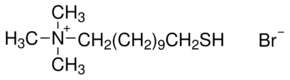
(11-Mercaptoundecyl)-N,N,N-trimethylammonium bromide
Micro / NanoElectronics

(11-Mercaptoundecyl)hexa(ethylene glycol)
C23H48O7S
Micro / NanoElectronics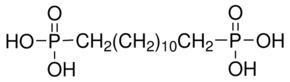
(12-Phosphonododecyl)phosphonic acid
C12H28O6P2
Micro / NanoElectronics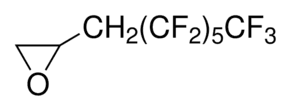
(2,2,3,3,4,4,5,5,6,6,7,7,7-Tridecafluoroheptyl)oxirane
C9H5F13O
Micro / NanoElectronics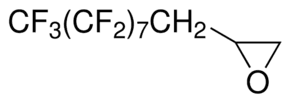
(2,2,3,3,4,4,5,5,6,6,7,7,8,8,9,9,9-Heptadecafluorononyl)oxirane
C11H5F17O
Micro / NanoElectronics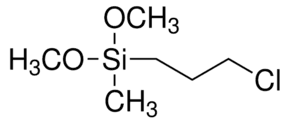
(3-Chloropropyl)dimethoxymethylsilane
Cl(CH2)3Si(OCH3)2CH3
Micro / NanoElectronics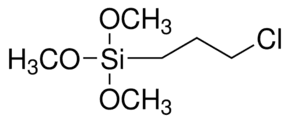
(3-Chloropropyl)trimethoxysilane
Cl(CH2)3Si(OCH3)3
Micro / NanoElectronics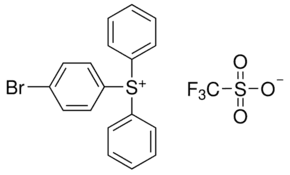
(4-Bromophenyl)diphenylsulfonium triflate
C19H14BrF3O3S2
Micro / NanoElectronics▶ Explore more

Bis(cyclopentadienyl)cobalt(III) hexafluorophosphate
C10H10CoF6P
Catalysis & Inorganic
1-(4-Chlorophenyl)biguanide hydrochloride
ClC6H4NHC(NH)NHC(NH)NH2 · HCl
Chemical Synthesis
Bis(cyclopentadienyl)dimethylzirconium(IV)
Catalysis & Inorganic

1-(4-Chlorophenyl)ethanol
ClC6H4CH(CH3)OH
Chemical Synthesis