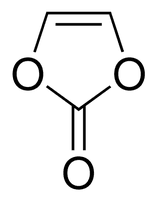
Vinylene carbonate
Vinylene carbonate (CAS: 872-36-6), with the chemical formula C3H2O3 and a molecular weight of 86.05 g/mol, is a cyclic organic carbonate. It is a versatile building block primarily utilised in organic synthesis. Its unique structure makes it valuable for creating complex molecules, particularly in the development of electrolytes for lithium-ion batteries and as a monomer in polymer chemistry. TSS supplies this compound with a minimum assay of 97.0%.
- IUPAC
- 1,3-Dioxol-2-one,VC
- Synonyms
- 1,3-Dioxol-2-one, VC
Electrolyte Additive for Lithium-Ion Batteries
Vinylene carbonate serves as a crucial additive in electrolytes for lithium-ion batteries. It contributes to the formation of a stable solid electrolyte interphase (SEI) layer on electrode surfaces, enhancing battery cycle life and performance.
Organic Synthesis Intermediate
As a reactive cyclic carbonate, vinylene carbonate is employed as a valuable intermediate in various organic synthesis pathways. It can participate in cycloaddition reactions and act as a carbonylating agent.
Monomer for Polymerisation
This compound can be polymerised to create novel polymeric materials. These polymers may find applications in specialized coatings or advanced materials due to their unique structural properties.
| Molecular weight | 86.05 |
|---|---|
| Empirical formula | C3H2O3 |
| Assay | ≥97.0% (GC) |
| Boiling point | 162 °C(lit.) |
| Density | 1.360 g/mL at 20 °C1.355 g/mL at 25 °C(lit.) |
| Refractive index | n20/D 1.421(lit.)n20/D 1.422 |
| Storage temperature | 2-8°C |
| Melting point | 19-22 °C(lit.) |
| Contains / stabiliser | ~0.5% 2,6-di-tert-butyl-4-methylphenol as stabilizer |


Hazard statements
- H302Harmful if swallowed
- H311Toxic in contact with skin
- H315Causes skin irritation
- H317May cause an allergic skin reaction
- H318Causes serious eye damage
- H373May cause damage to organs through prolonged exposure
- H411Toxic to aquatic life with long-lasting effects
Precautionary statements
- P273Avoid release to the environment
- P280Wear protective gloves, clothing and eye/face protection
- P305IF IN EYES
- P312Call a POISON CENTER if you feel unwell
| Protective equipment | Eyeshields, full-face respirator (US), Gloves, multi-purpose combination respirator cartridge (US), type ABEK (EN14387) respirator filter |
|---|---|
| Flash point | 73 °C / 163.4 °F |
| Water hazard class (WGK, DE) | 3 |
| Hazard codes (EU) | T,N |
| Risk statements (R) | 22-24-38-41-43-48/22-51/53 |
| Safety statements (S) | 26-36/37/39-45-61 |
Hazard information is provided for guidance. Always consult the product Safety Data Sheet (SDS), available on request, before handling.
Documentation
Every batch ships with a Certificate of Analysis covering assay, identity and purity; the grade is confirmed against your enquiry. Safety Data Sheets and technical data sheets are available on request.
Supply & logistics
Samples for technical evaluation; bulk MOQ by grade and packaging. In-stock material ships in 7–10 working days, worldwide, with full export documentation.
What is Vinylene Carbonate used for?
+
Vinylene carbonate (CAS: 872-36-6) is primarily used as an electrolyte additive in lithium-ion batteries to improve SEI layer formation and enhance battery performance. It also serves as a versatile intermediate in organic synthesis and as a monomer for specialised polymerisation.
What are the CAS number and chemical formula for Vinylene Carbonate?
+
The CAS number for Vinylene Carbonate is 872-36-6, and its chemical formula is C3H2O3.
What grade and purity does Tech Serve Solutions supply Vinylene Carbonate?
+
Tech Serve Solutions supplies Vinylene Carbonate with a minimum assay of 97.0% (GC). We do not represent this product as USP, BP, or EP grade.
How should Vinylene Carbonate be handled safely?
+
Vinylene Carbonate is a dangerous substance. It is harmful if swallowed, causes skin irritation, severe eye damage, and can cause an allergic skin reaction. It may also cause damage to organs through prolonged or repeated exposure and is toxic to aquatic life with long-lasting effects. Always wear appropriate personal protective equipment, including eyeshields and gloves, and handle in a well-ventilated area. Refer to the Safety Data Sheet (SDS) for comprehensive handling instructions.
How is Vinylene Carbonate packed, shipped, and exported by TSS?
+
Tech Serve Solutions expertly packs and exports Vinylene Carbonate globally, adhering to all relevant shipping regulations for hazardous materials to ensure safe and compliant delivery worldwide.
How can I request a sample or quote for Vinylene Carbonate?
+
To request a sample or quote for Vinylene Carbonate, please use the contact form on our website or contact our sales team directly with your specific requirements.
▶ Related products
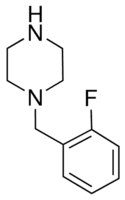
1-(2-Fluorobenzyl)piperazine
C11H15FN2
Chemical Synthesis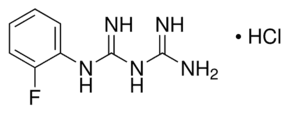
1-(2-Fluorophenyl)biguanide hydrochloride
Chemical Synthesis
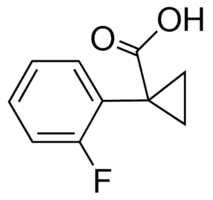
1-(2-Fluorophenyl)cyclopropanecarboxylic acid
C10H9FO2
Chemical Synthesis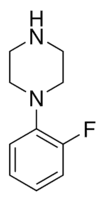
1-(2-Fluorophenyl)piperazine
C10H13FN2
Chemical Synthesis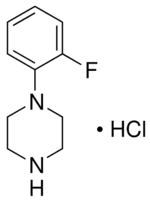
1-(2-Fluorophenyl)piperazine monohydrochloride
C10H13FN2 · HCl
Chemical Synthesis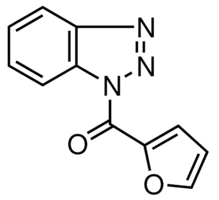
1-(2-Furoyl)-1H-benzotriazole
C11H7N3O2
Chemical Synthesis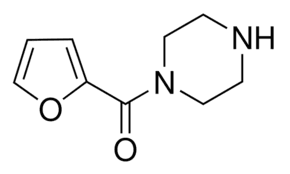
1-(2-Furoyl)piperazine
C9H12N2O2
Chemical Synthesis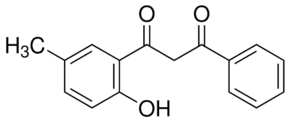
1-(2-Hydroxy-5-methylphenyl)-3-phenyl-1,3-propanedione
Chemical Synthesis