
(Trimethylsilyl)acetonitrile
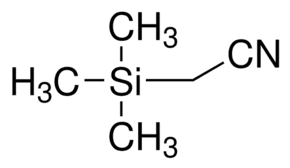
(Trimethylsilyl)acetonitrile, identified by CAS number 18293-53-3, is a versatile organic compound with the molecular formula (CH3)3SiCH2CN and a molecular weight of 113.23 g/mol. This silane derivative serves as a valuable building block in chemical synthesis, particularly in reactions involving the introduction of a cyanomethyl group. It is utilized in various organic transformations, making it a key reagent for researchers and industrial chemists. Tech Serve Solutions supplies this product with a minimum assay of 96.0% (GC).
- IUPAC
- (Cyanomethyl)trimethylsilane,TMSAN
- Synonyms
- (Cyanomethyl)trimethylsilaneTMSAN
Catalytic Cyanomethylation
(Trimethylsilyl)acetonitrile is employed in the catalytic cyanomethylation of diverse carbonyl compounds. This reaction is typically facilitated in the presence of Lewis bases, enabling the efficient introduction of the cyanomethyl moiety.
Organic Synthesis Intermediate
As a functionalized silane, this compound acts as a useful intermediate in multi-step organic synthesis. Its reactivity allows for the construction of more complex molecular architectures.
Reagent for Building Blocks
It is categorized as an organic building block, suitable for creating C1 to C5 structures. Its nitrile and silyl functionalities offer distinct pathways for chemical modifications and derivatizations.
| Molecular weight | 113.23 |
|---|---|
| Linear formula | (CH3)3SiCH2CN |
| Assay | ≥96.0% (GC) |
| Boiling point | 65-70 °C/20 mmHg(lit.) |
| Density | 0.827 g/mL at 25 °C(lit.) |
| Refractive index | n20/D 1.420(lit.)n20/D 1.420 |
| Application | (Trimethylsilyl)acetonitrile has been used in catalytic cyanomethylation of various carbonyl compounds in the presence of Lewis bases1. |


Hazard statements
- H226Flammable liquid and vapour
- H301Toxic if swallowed
- H311Toxic in contact with skin
- H315Causes skin irritation
- H319Causes serious eye irritation
- H331Toxic if inhaled
- H335May cause respiratory irritation
Precautionary statements
- P261Avoid breathing dust, fume, gas or vapours
- P280Wear protective gloves, clothing and eye/face protection
- P301IF SWALLOWED
- P305IF IN EYES
- P311Call a POISON CENTER or doctor
| Protective equipment | Eyeshields, Faceshields, full-face respirator (US), Gloves, multi-purpose combination respirator cartridge (US), type ABEK (EN14387) respirator filter |
|---|---|
| Flash point | 43 °C / 109.4 °F |
| Transport (UN / ADR) | UN 1993C 3 / PGIII |
| Water hazard class (WGK, DE) | 3 |
| Hazard codes (EU) | T |
| Risk statements (R) | 10-23/24/25-36/37/38 |
| Safety statements (S) | 26-36/37/39-45 |
Hazard information is provided for guidance. Always consult the product Safety Data Sheet (SDS), available on request, before handling.
Documentation
Every batch ships with a Certificate of Analysis covering assay, identity and purity; the grade is confirmed against your enquiry. Safety Data Sheets and technical data sheets are available on request.
Supply & logistics
Samples for technical evaluation; bulk MOQ by grade and packaging. In-stock material ships in 7–10 working days, worldwide, with full export documentation.
What is (Trimethylsilyl)acetonitrile used for?
+
(Trimethylsilyl)acetonitrile is primarily used as a reagent in organic synthesis, particularly for the catalytic cyanomethylation of carbonyl compounds. It serves as a versatile building block for introducing cyanomethyl groups in chemical structures.
What are the CAS number and formula for (Trimethylsilyl)acetonitrile?
+
The CAS number for (Trimethylsilyl)acetonitrile is 18293-53-3, and its linear formula is (CH3)3SiCH2CN.
What grade and purity does Tech Serve Solutions supply?
+
Tech Serve Solutions supplies (Trimethylsilyl)acetonitrile with a minimum assay of 96.0% (GC). We do not represent this product as USP, BP, or EP grade.
How should (Trimethylsilyl)acetonitrile be handled safely?
+
(Trimethylsilyl)acetonitrile is a flammable liquid and vapour (H226), is toxic if swallowed (H301), toxic in contact with skin (H311), causes skin irritation (H315), causes serious eye irritation (H319), and is toxic if inhaled (H331), may cause respiratory irritation (H335). Handle with appropriate personal protective equipment, including eyeshields, gloves, and a suitable respirator, in a well-ventilated area.
How is (Trimethylsilyl)acetonitrile packed, shipped, and exported?
+
(Trimethylsilyl)acetonitrile is packed in accordance with industry standards for hazardous materials. Tech Serve Solutions is a global supplier and exporter, capable of shipping this chemical internationally, adhering to all relevant transport regulations, including UN 1993 (Class 3, PGIII).
How can I request a sample or quote for (Trimethylsilyl)acetonitrile?
+
To request a sample or a quote for (Trimethylsilyl)acetonitrile, please contact our sales department through the details provided on our website.
▶ Related products
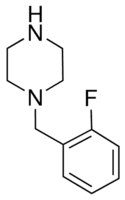
1-(2-Fluorobenzyl)piperazine
C11H15FN2
Chemical Synthesis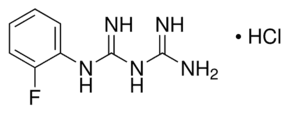
1-(2-Fluorophenyl)biguanide hydrochloride
Chemical Synthesis
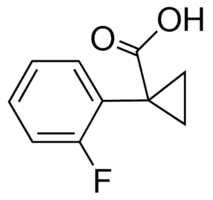
1-(2-Fluorophenyl)cyclopropanecarboxylic acid
C10H9FO2
Chemical Synthesis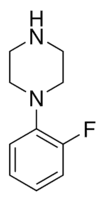
1-(2-Fluorophenyl)piperazine
C10H13FN2
Chemical Synthesis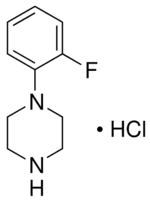
1-(2-Fluorophenyl)piperazine monohydrochloride
C10H13FN2 · HCl
Chemical Synthesis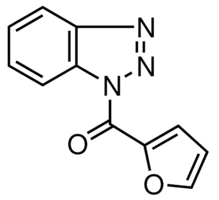
1-(2-Furoyl)-1H-benzotriazole
C11H7N3O2
Chemical Synthesis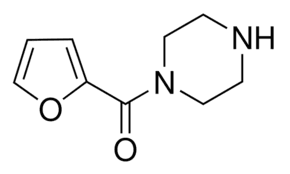
1-(2-Furoyl)piperazine
C9H12N2O2
Chemical Synthesis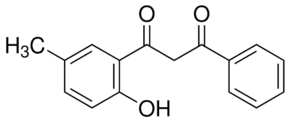
1-(2-Hydroxy-5-methylphenyl)-3-phenyl-1,3-propanedione
Chemical Synthesis
▶ Explore more

Bis(cyclopentadienyl)cobalt(III) hexafluorophosphate
C10H10CoF6P
Catalysis & Inorganic
1-(4-Chlorophenyl)biguanide hydrochloride
ClC6H4NHC(NH)NHC(NH)NH2 · HCl
Chemical Synthesis
Bis(cyclopentadienyl)dimethylzirconium(IV)
Catalysis & Inorganic

1-(4-Chlorophenyl)ethanol
ClC6H4CH(CH3)OH
Chemical Synthesis