Triethyloxonium hexafluorophosphate
Triethyloxonium hexafluorophosphate (CAS: 17950-40-2) is a potent electrophilic alkylating agent, commonly referred to as Meerwein's salt. With a molecular weight of 248.15 g/mol, it is a highly reactive chemical compound employed in organic synthesis. Its primary applications include alkyl transfer reactions, activating agent for catalytic processes, and as a reactant in the synthesis of various organic molecules. It is typically supplied stabilised with diethyl ether.

Alkyl Transfer Reagent
Triethyloxonium hexafluorophosphate serves as an effective triethylating agent in organic synthesis. It is used to introduce ethyl groups onto various nucleophiles, facilitating the formation of desired organic structures.
Catalyst Activating Agent
This compound acts as a catalyst activating agent, particularly in asymmetric catalysis. It has been utilized in processes such as asymmetric imine aziridination via diazo ester activation.
Synthesis of Organometallic Complexes
It is employed in the synthesis of specific organometallic compounds, such as ruthenium allenylidene complexes, contributing to the development of novel catalytic systems.
Organic Synthesis
Beyond specific applications, it is a versatile reagent in general organic synthesis, including asymmetric Diels-Alder reactions and the creation of molecules for wavelength tunability studies.
Chlorine Scavenging
Triethyloxonium hexafluorophosphate can function as a chlorine scavenger in certain chemical processes, helping to remove unwanted chlorine species.
| Molecular weight | 248.15 |
|---|---|
| Linear formula | (C2H5)3OPF6 |
| Storage temperature | −20°C |
| Contains / stabiliser | diethyl ether as stabilizer |
| Application | Reactant or reagent involved in:• Synthesis of ruthenium allenylidene complexes1• Asymmetric Diels-Alder reactions2• Chlorine scavenging3• Synthesis of molecules for studies of wavelength tunability via cis-trans isomerization4• Reactions with 2-mthylpyridine N-oxide5Catalyst activating agent for asymmetric imine aziridination via diazo ester activation6 |
| Melting point | ~145 °C (dec.)(lit.) |


Hazard statements
- H228Flammable solid
- H314Causes severe skin burns and eye damage
Precautionary statements
- P210Keep away from heat, sparks and open flames. No smoking
- P280Wear protective gloves, clothing and eye/face protection
- P305IF IN EYES
- P310Immediately call a POISON CENTER or doctor
| Protective equipment | Eyeshields, Faceshields, full-face particle respirator type N100 (US), Gloves, respirator cartridge type N100 (US), type P1 (EN143) respirator filter, type P3 (EN 143) respirator cartridges |
|---|---|
| Flash point | 57 °C / 134.6 °F |
| Transport (UN / ADR) | UN 2925 4.1/PG 2 |
| Water hazard class (WGK, DE) | 3 |
| Hazard codes (EU) | F,C |
| Risk statements (R) | 11-19-35 |
| Safety statements (S) | 26-36/37/39-45 |
| Supplemental hazards | May form explosive peroxides. |
Hazard information is provided for guidance. Always consult the product Safety Data Sheet (SDS), available on request, before handling.
Documentation
Every batch ships with a Certificate of Analysis covering assay, identity and purity; the grade is confirmed against your enquiry. Safety Data Sheets and technical data sheets are available on request.
Supply & logistics
Samples for technical evaluation; bulk MOQ by grade and packaging. In-stock material ships in 7–10 working days, worldwide, with full export documentation.
What is Triethyloxonium hexafluorophosphate used for?
+
Triethyloxonium hexafluorophosphate is used as an alkyl transfer reagent, a catalyst activating agent in organic synthesis, and in the preparation of various organic and organometallic compounds. It is also employed for chlorine scavenging.
What is the CAS number and formula for Triethyloxonium hexafluorophosphate?
+
The CAS number is 17950-40-2 and the linear formula is (C2H5)3OPF6.
What grade and purity does Tech Serve Solutions supply?
+
Tech Serve Solutions supplies Triethyloxonium hexafluorophosphate for research and synthesis. The specific assay and purity depend on the product batch; please contact us for detailed specifications. We do not represent this product as USP, BP, or EP grade.
How should Triethyloxonium hexafluorophosphate be handled and stored?
+
Due to its reactivity and flammability, Triethyloxonium hexafluorophosphate (CAS: 17950-40-2) should be handled with appropriate personal protective equipment, including gloves, eye protection, and respiratory protection. It is stored under refrigeration at -20°C, and precautions should be taken as it may form explosive peroxides and is corrosive.
Is Triethyloxonium hexafluorophosphate available for export?
+
Yes, Tech Serve Solutions is a global supplier and exporter of fine chemicals, including Triethyloxonium hexafluorophosphate. Please contact our sales team for export inquiries and shipping information.
How can I request a sample or quote for Triethyloxonium hexafluorophosphate?
+
To request a sample or obtain a quote for Triethyloxonium hexafluorophosphate, please visit our website or contact our dedicated sales team with your specific requirements.
▶ Related products
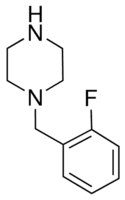
1-(2-Fluorobenzyl)piperazine
C11H15FN2
Chemical Synthesis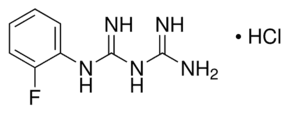
1-(2-Fluorophenyl)biguanide hydrochloride
Chemical Synthesis
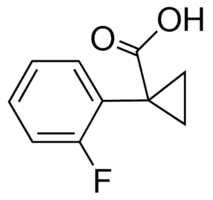
1-(2-Fluorophenyl)cyclopropanecarboxylic acid
C10H9FO2
Chemical Synthesis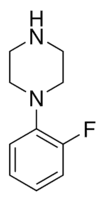
1-(2-Fluorophenyl)piperazine
C10H13FN2
Chemical Synthesis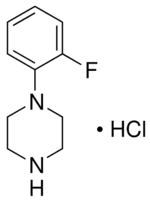
1-(2-Fluorophenyl)piperazine monohydrochloride
C10H13FN2 · HCl
Chemical Synthesis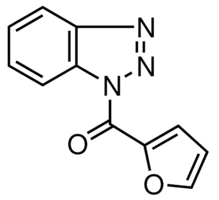
1-(2-Furoyl)-1H-benzotriazole
C11H7N3O2
Chemical Synthesis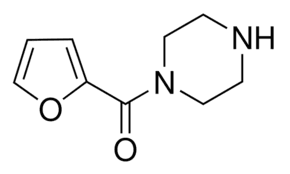
1-(2-Furoyl)piperazine
C9H12N2O2
Chemical Synthesis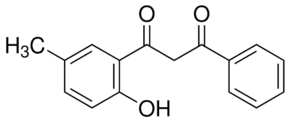
1-(2-Hydroxy-5-methylphenyl)-3-phenyl-1,3-propanedione
Chemical Synthesis