Trichloroisocyanuric acid
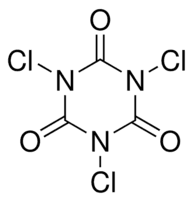
Trichloroisocyanuric acid (TCCA), CAS 87-90-1, is a chlorinated heterocyclic organic compound with the formula C3Cl3N3O3. It serves as a potent disinfectant and a versatile reagent in chemical synthesis. Due to its effective oxidizing properties and ability to release active chlorine, TCCA is widely employed in water treatment and the preparation of various chemical intermediates.
- IUPAC
- 1,3,5-Trichloro-2,4,6-triazinetrione,Symclosene,TCICA,Trichlorocyanuric acid
- Synonyms
- SymcloseneTCICATrichlorocyanuric acid1,3,5-Trichloro-2,4,6-triazinetrione
Disinfection Reagent
Utilized in water treatment processes for disinfection, such as the transformation of benzophenone-3 in chlorinated water.
Chemical Synthesis
Employed as a building block in the synthesis of complex organic molecules, including 2-halomethylene-3-oxoketoximes.
Water Treatment
Effective in maintaining water quality through its strong biocidal properties, suitable for swimming pools and industrial water systems.
Oxidizing Agent
Acts as a powerful oxidizing agent in various chemical transformations and industrial processes.
| Molecular weight | 232.41 |
|---|---|
| Empirical formula | C3Cl3N3O3 |
| Application | Trichloroisocyanuric acid was used as a disinfection reagent in the transformation of benzophenone-3 in chlorinated water1. It was also used in the synthesis of 2-halomethylene-3-oxoketoximes2. |
| Melting point | 249-251 °C(lit.) |


Hazard statements
- H272May intensify fire; oxidiser
- H302Harmful if swallowed
- H319Causes serious eye irritation
- H335May cause respiratory irritation
- H410Very toxic to aquatic life with long-lasting effects
Precautionary statements
- P220Keep away from clothing and combustible materials
- P261Avoid breathing dust, fume, gas or vapours
- P273Avoid release to the environment
- P305IF IN EYES
- P501Dispose of contents and container per local regulations
| Protective equipment | Eyeshields, Faceshields, full-face particle respirator type N100 (US), Gloves, respirator cartridge type N100 (US), type P1 (EN143) respirator filter, type P3 (EN 143) respirator cartridges |
|---|---|
| Transport (UN / ADR) | UN 2468 5.1 / PGII |
| Water hazard class (WGK, DE) | 3 |
| Hazard codes (EU) | O,Xn,N |
| Risk statements (R) | 8-22-31-36/37-50/53 |
| Safety statements (S) | 8-26-41-60-61 |
| Supplemental hazards | Contact with acids liberates toxic gas. |
Hazard information is provided for guidance. Always consult the product Safety Data Sheet (SDS), available on request, before handling.
Documentation
Every batch ships with a Certificate of Analysis covering assay, identity and purity; the grade is confirmed against your enquiry. Safety Data Sheets and technical data sheets are available on request.
Supply & logistics
Samples for technical evaluation; bulk MOQ by grade and packaging. In-stock material ships in 7–10 working days, worldwide, with full export documentation.
What is Trichloroisocyanuric acid used for?
+
Trichloroisocyanuric acid is primarily used as a disinfectant in water treatment and as a reagent in chemical synthesis, particularly for halogenated compounds.
What is the CAS number and formula for Trichloroisocyanuric acid?
+
The CAS number is 87-90-1, and the empirical formula is C3Cl3N3O3.
What grade of Trichloroisocyanuric acid does TSS supply?
+
TSS supplies Trichloroisocyanuric acid in technical grade, suitable for laboratory research and industrial applications. Purity details are available on the product specification sheet.
What are the main hazards associated with Trichloroisocyanuric acid?
+
Trichloroisocyanuric acid is classified as an oxidizer and is harmful if swallowed. It can cause serious eye irritation and may cause respiratory irritation. Contact with acids liberates toxic gas, and it is also hazardous to the aquatic environment.
How is Trichloroisocyanuric acid packed and exported by TSS?
+
Trichloroisocyanuric acid is packed according to UN 2468 specifications for transport and exported globally by TSS, adhering to all relevant shipping regulations.
How can I request a quote for Trichloroisocyanuric acid?
+
To request a quote, please contact our sales department via the website or call us directly, providing the product name and quantity required.
▶ Related products
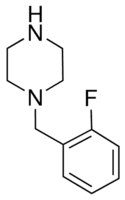
1-(2-Fluorobenzyl)piperazine
C11H15FN2
Chemical Synthesis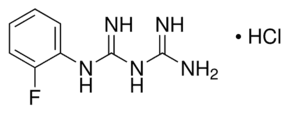
1-(2-Fluorophenyl)biguanide hydrochloride
Chemical Synthesis
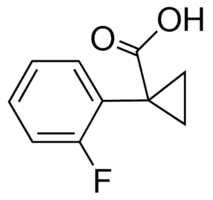
1-(2-Fluorophenyl)cyclopropanecarboxylic acid
C10H9FO2
Chemical Synthesis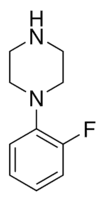
1-(2-Fluorophenyl)piperazine
C10H13FN2
Chemical Synthesis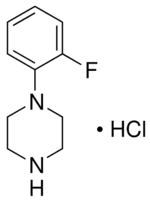
1-(2-Fluorophenyl)piperazine monohydrochloride
C10H13FN2 · HCl
Chemical Synthesis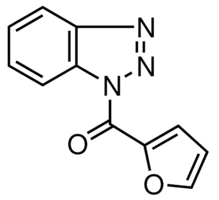
1-(2-Furoyl)-1H-benzotriazole
C11H7N3O2
Chemical Synthesis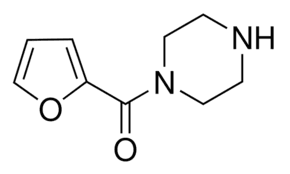
1-(2-Furoyl)piperazine
C9H12N2O2
Chemical Synthesis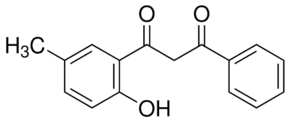
1-(2-Hydroxy-5-methylphenyl)-3-phenyl-1,3-propanedione
Chemical Synthesis