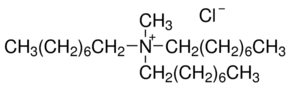
Tricaprylylmethylammonium chloride
Tricaprylylmethylammonium chloride (CAS 63393-96-4) is a quaternary ammonium salt known for its utility as a phase transfer catalyst. This compound facilitates the transfer of anionic reagents from an aqueous phase to an organic phase, or vice versa, thereby accelerating reaction rates in heterogeneous systems. It is particularly valued for applications where aqueous work-up is not feasible, making it a versatile reagent in organic synthesis and chemical research.
- IUPAC
- Aliquat® 128,Aliquat® 336 replacement product,Methyltrioctylammonium chloride,Trioctylmethylammonium chloride
Phase Transfer Catalysis
This quaternary ammonium salt functions as an effective phase transfer catalyst. It promotes reactions between reactants located in immiscible phases by transporting reactive anions into the organic phase.
Chemical Synthesis
It is employed in various organic synthesis procedures to enhance reaction kinetics and yields. Its ability to solubilize inorganic reagents in organic solvents makes it invaluable for many transformations.
Cationic Detergent
As a cationic detergent, it can be used in specific applications requiring surface-active properties. Its structure allows it to interact with both polar and non-polar environments.
| Density | 0.88 g/mL at 20 °C(lit.) |
|---|---|
| Application | Quat suitable for nearly all PTC applications without aqueous work-up |


Hazard statements
- H301Toxic if swallowed
- H315Causes skin irritation
- H318Causes serious eye damage
- H410Very toxic to aquatic life with long-lasting effects
Precautionary statements
- P273Avoid release to the environment
- P280Wear protective gloves, clothing and eye/face protection
- P301IF SWALLOWED
- P305IF IN EYES
- P501Dispose of contents and container per local regulations
| Protective equipment | Eyeshields, Faceshields, full-face respirator (US), Gloves, multi-purpose combination respirator cartridge (US), type ABEK (EN14387) respirator filter |
|---|---|
| Transport (UN / ADR) | UN 2810 6.1/PG 3 |
| Water hazard class (WGK, DE) | 3 |
| Hazard codes (EU) | Xn,N |
| Risk statements (R) | 22-38-41-50/53 |
| Safety statements (S) | 26-39-60-61 |
Hazard information is provided for guidance. Always consult the product Safety Data Sheet (SDS), available on request, before handling.
| Description | cationic |
|---|
Documentation
Every batch ships with a Certificate of Analysis covering assay, identity and purity; the grade is confirmed against your enquiry. Safety Data Sheets and technical data sheets are available on request.
Supply & logistics
Samples for technical evaluation; bulk MOQ by grade and packaging. In-stock material ships in 7–10 working days, worldwide, with full export documentation.
What is Tricaprylylmethylammonium chloride used for?
+
Tricaprylylmethylammonium chloride is primarily used as a phase transfer catalyst in organic synthesis, facilitating reactions between immiscible phases and acting as a cationic detergent.
What are the CAS number and chemical formula for Tricaprylylmethylammonium chloride?
+
The CAS number for Tricaprylylmethylammonium chloride is 63393-96-4. The chemical formula is not provided in the product data.
What grade and purity does Tech Serve Solutions supply?
+
Tech Serve Solutions supplies Tricaprylylmethylammonium chloride as a technical or research grade reagent. We do not represent it as USP, BP, or EP grade unless explicitly stated.
How should Tricaprylylmethylammonium chloride be handled safely?
+
Tricaprylylmethylammonium chloride is classified as 'Danger' due to severe skin burns and eye damage, and is harmful if swallowed. Appropriate personal protective equipment, including eyeshields, faceshields, gloves, and suitable respiratory protection, must be used. Handle in a well-ventilated area, avoiding release to the environment.
Is Tricaprylylmethylammonium chloride a controlled substance?
+
The provided data does not indicate that Tricaprylylmethylammonium chloride is a controlled substance.
How is Tricaprylylmethylammonium chloride packed and shipped?
+
Tricaprylylmethylammonium chloride is shipped as a hazardous material under UN 2810, Class 6.1, Packing Group III. Specific packing details comply with regulations for hazardous goods transport.
How can I request a quote or sample for Tricaprylylmethylammonium chloride?
+
To request a quote or sample, please contact Tech Serve Solutions directly through our website or customer service channels, providing your specific requirements.
▶ Related products
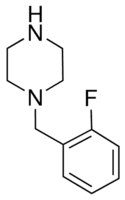
1-(2-Fluorobenzyl)piperazine
C11H15FN2
Chemical Synthesis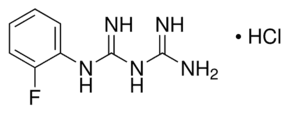
1-(2-Fluorophenyl)biguanide hydrochloride
Chemical Synthesis
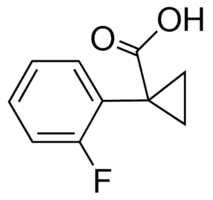
1-(2-Fluorophenyl)cyclopropanecarboxylic acid
C10H9FO2
Chemical Synthesis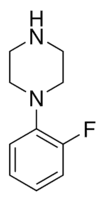
1-(2-Fluorophenyl)piperazine
C10H13FN2
Chemical Synthesis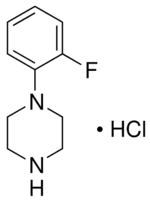
1-(2-Fluorophenyl)piperazine monohydrochloride
C10H13FN2 · HCl
Chemical Synthesis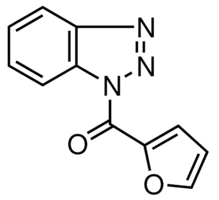
1-(2-Furoyl)-1H-benzotriazole
C11H7N3O2
Chemical Synthesis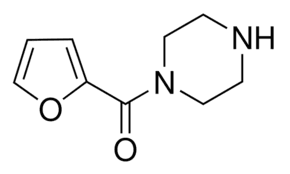
1-(2-Furoyl)piperazine
C9H12N2O2
Chemical Synthesis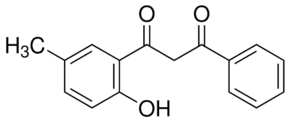
1-(2-Hydroxy-5-methylphenyl)-3-phenyl-1,3-propanedione
Chemical Synthesis