
Thymine
Thymine (CAS: 65-71-4), with the molecular formula C5H6N2O2 and a molecular weight of 126.11 g/mol, is a key component of DNA. As a pyrimidine nucleobase, it plays a fundamental role in genetic information storage and transfer. Tech Serve Solutions supplies high-purity Thymine, suitable for a variety of laboratory applications, including biochemical research and cell culture studies.
- IUPAC
- 2,4-Dihydroxy-5-methylpyrimidine,5-Methyluracil

Biochemical Research
Thymine is essential for DNA synthesis and repair mechanisms. Researchers utilise it in studies investigating nucleic acid metabolism, genetic engineering, and molecular biology.
Cell Culture Supplementation
As a critical component of cellular genetic material, Thymine can be used to supplement cell culture media. This supports the growth and maintenance of various cell lines in research settings.
Drug Discovery and Development
The unique structure of Thymine makes it a target for developing antiviral and anticancer agents. Its role in nucleic acid structure is fundamental to understanding and designing new therapeutic compounds.
| Molecular weight | 126.11 |
|---|---|
| Empirical formula | C5H6N2O2 |
| Assay | ≥99% (HPLC) |
| Suitability | suitable for cell culture |
| Melting point | ~320 °C (dec.)(lit.) |
| Protective equipment | Eyeshields, Gloves, type N95 (US), type P1 (EN143) respirator filter |
|---|---|
| Water hazard class (WGK, DE) | 2 |
Hazard information is provided for guidance. Always consult the product Safety Data Sheet (SDS), available on request, before handling.
| Product Line | BioReagent |
|---|---|
| Gene Information | mouse ... Tymp(72962) |
Documentation
Every batch ships with a Certificate of Analysis covering assay, identity and purity; the grade is confirmed against your enquiry. Safety Data Sheets and technical data sheets are available on request.
Supply & logistics
Samples for technical evaluation; bulk MOQ by grade and packaging. In-stock material ships in 7–10 working days, worldwide, with full export documentation.
What is Thymine primarily used for?
+
Thymine is primarily used in biochemical research and cell culture. It is a fundamental component of DNA, involved in genetic information storage and transfer, and plays a role in DNA synthesis and repair.
What are the CAS number and formula for Thymine?
+
The CAS number for Thymine is 65-71-4, and its molecular formula is C5H6N2O2.
What grade and purity does Tech Serve Solutions supply for Thymine?
+
Tech Serve Solutions supplies Thymine with an assay of ≥99% (HPLC). This product is suitable for cell culture and general laboratory research. We do not represent this product as USP, BP, or EP grade.
What are the safety and handling considerations for Thymine?
+
Handle Thymine with appropriate personal protective equipment, including eyeshields and gloves. A type N95 (US) or type P1 (EN143) respirator filter is recommended. Avoid dust formation and inhalation. Refer to the Safety Data Sheet for detailed information.
How is Thymine packaged and shipped?
+
Thymine is carefully packaged to ensure product integrity during transit. Tech Serve Solutions exports fine chemicals globally, adhering to international shipping regulations.
How can I request a quote or sample for Thymine?
+
To request a quote or a sample of Thymine, please contact our sales team through the website or by phone. Provide your specific requirements and shipping details.
▶ Related products
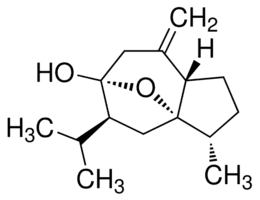
(−)-Curcumol
C15H24O2
Cell Biology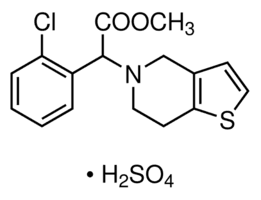
(±) Clopidogrel hydrogensulfate
Cell Biology
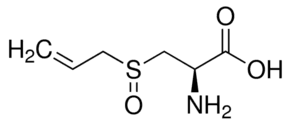
(±)-L-Alliin
C6H11NO3S
Cell Biology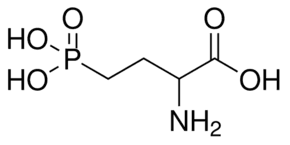
(±)-2-Amino-4-phosphonobutyric acid
C4H10NO5P
Cell Biology
(±)-2-Methylarachidonoyl-2′-fluoroethylamide
C23H38NOF
Cell Biology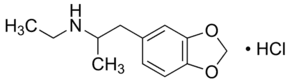
(±)-3,4-Methylenedioxy-N-ethylamphetamine hydrochloride
Cell Biology
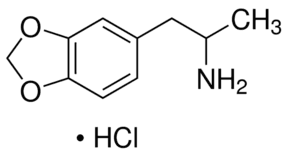
(±)-3,4-Methylenedioxyamphetamine hydrochloride
Cell Biology
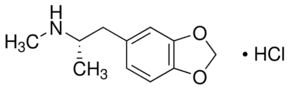
(±)-3,4-Methylenedioxymethamphetamine hydrochloride
Cell Biology
▶ Explore more

Bis(cyclopentadienyl)cobalt(III) hexafluorophosphate
C10H10CoF6P
Catalysis & Inorganic
1-(4-Chlorophenyl)biguanide hydrochloride
ClC6H4NHC(NH)NHC(NH)NH2 · HCl
Chemical Synthesis
Bis(cyclopentadienyl)dimethylzirconium(IV)
Catalysis & Inorganic

1-(4-Chlorophenyl)ethanol
ClC6H4CH(CH3)OH
Chemical Synthesis