
Tetramethylammonium chloride
Tetramethylammonium chloride (CAS: 75-57-0), with the molecular formula (CH₃)₄N(Cl) and a molar mass of 109.60 g/mol, is a quaternary ammonium salt. It is a white crystalline solid readily soluble in methanol and water. This compound serves as a crucial reagent in chemical synthesis, particularly as a phase transfer catalyst, and is widely employed in research laboratories as an essential chemical.
- IUPAC
- TMA
- Synonyms
- TMA chlorideTetramethylammonium monochloride

Phase Transfer Catalysis
Tetramethylammonium chloride functions effectively as a phase transfer catalyst, facilitating reactions between reactants located in different immiscible phases. Its quaternary ammonium structure aids in transporting anions into organic phases, thereby accelerating reaction rates.
Chemical Synthesis
This compound is a valuable building block and reagent in various organic syntheses. It can be used to introduce the tetramethylammonium cation or serve as a precursor in the preparation of other organometallic compounds and specialty chemicals.
Electrolyte in Electrochemical Studies
Due to its ionic nature and solubility, tetramethylammonium chloride is frequently used as a supporting electrolyte in electrochemical research and applications, providing conductivity to solutions.
Research and Development
As a readily available and well-characterised chemical, it is a common reagent in academic and industrial research settings for exploring new chemical transformations and developing novel materials.
| Molecular weight | 109.60 |
|---|---|
| Linear formula | (CH3)4N(Cl) |
| Assay | ≥99.0% (AT)≥99.0% |
| Grade | purum |
| Solubility | methanol: soluble0.1 g/mL, clear, colorless |
| Concentration | 5 M |
| Impurities tested | ≤2% water |
| Melting point | >300 °C(lit.) |

Hazard statements
- H300Fatal if swallowed
- H311Toxic in contact with skin
- H315Causes skin irritation
- H319Causes serious eye irritation
- H335May cause respiratory irritation
Precautionary statements
- P261Avoid breathing dust, fume, gas or vapours
- P264Wash thoroughly after handling
- P280Wear protective gloves, clothing and eye/face protection
- P301IF SWALLOWED
- P305IF IN EYES
- P312Call a POISON CENTER if you feel unwell
| Protective equipment | Eyeshields, Faceshields, Gloves, type P2 (EN 143) respirator cartridges |
|---|---|
| Transport (UN / ADR) | UN 2811 6.1 / PGII |
| Water hazard class (WGK, DE) | 1 |
| Hazard codes (EU) | T |
| Risk statements (R) | 21-25-36/37/38 |
| Safety statements (S) | 26-28-36/37-45 |
| Anion traces | bromide (Br-): ≤500 mg/kgsulfate (SO42-): ≤50 mg/kg |
Hazard information is provided for guidance. Always consult the product Safety Data Sheet (SDS), available on request, before handling.
| Uv Absorption | λ: 260 nm Amax: 0.02λ: 280 nm Amax: 0.02 |
|---|
Documentation
Every batch ships with a Certificate of Analysis covering assay, identity and purity; the grade is confirmed against your enquiry. Safety Data Sheets and technical data sheets are available on request.
Supply & logistics
Samples for technical evaluation; bulk MOQ by grade and packaging. In-stock material ships in 7–10 working days, worldwide, with full export documentation.
What is Tetramethylammonium chloride primarily used for?
+
Tetramethylammonium chloride (CAS: 75-57-0) is primarily used as a phase transfer catalyst and as a reagent in chemical synthesis and research applications.
What are the CAS number and chemical formula for Tetramethylammonium chloride?
+
The CAS number for Tetramethylammonium chloride is 75-57-0, and its linear formula is (CH₃)₄N(Cl).
What grade and purity does Tech Serve Solutions supply for Tetramethylammonium chloride?
+
Tech Serve Solutions supplies Tetramethylammonium chloride in purum grade with an assay of ≥99.0% (AT). TSS does not represent this product as USP, BP, EP, or any other pharmacopoeia grade.
How should Tetramethylammonium chloride be handled safely?
+
Tetramethylammonium chloride is classified as Danger, with hazards including acute toxicity (oral, dermal), skin irritation, serious eye irritation, and respiratory irritation (H300-H311-H315-H319-H335). Handle with appropriate personal protective equipment, including eyeshields, face shields, gloves, and a P2 respirator, in a well-ventilated area. Refer to the Safety Data Sheet for detailed handling procedures.
Is Tetramethylammonium chloride a controlled substance?
+
Based on the provided data, Tetramethylammonium chloride (CAS: 75-57-0) is not indicated as a controlled or scheduled substance in major regulatory frameworks relevant to its classification.
How is Tetramethylammonium chloride shipped and exported?
+
Tetramethylammonium chloride is classified under UN 2811, 6.1 / PGII, indicating it is shipped as a toxic solid. TSS is experienced in exporting chemicals globally, adhering to all relevant transportation and customs regulations.
How can I request a quote or sample for Tetramethylammonium chloride?
+
To request a quote or sample for Tetramethylammonium chloride, please visit the Tech Serve Solutions website or contact our sales department directly with your inquiry, specifying the product name and CAS number.
▶ Related products
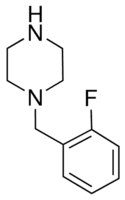
1-(2-Fluorobenzyl)piperazine
C11H15FN2
Chemical Synthesis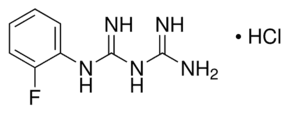
1-(2-Fluorophenyl)biguanide hydrochloride
Chemical Synthesis
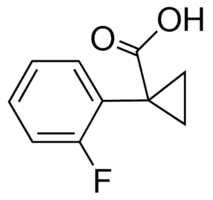
1-(2-Fluorophenyl)cyclopropanecarboxylic acid
C10H9FO2
Chemical Synthesis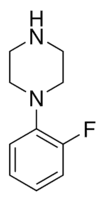
1-(2-Fluorophenyl)piperazine
C10H13FN2
Chemical Synthesis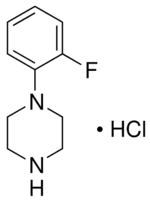
1-(2-Fluorophenyl)piperazine monohydrochloride
C10H13FN2 · HCl
Chemical Synthesis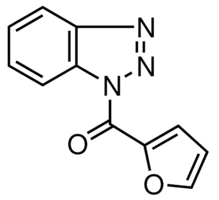
1-(2-Furoyl)-1H-benzotriazole
C11H7N3O2
Chemical Synthesis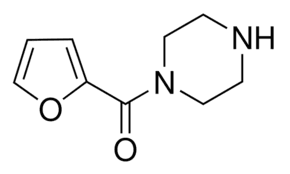
1-(2-Furoyl)piperazine
C9H12N2O2
Chemical Synthesis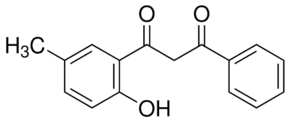
1-(2-Hydroxy-5-methylphenyl)-3-phenyl-1,3-propanedione
Chemical Synthesis
▶ Explore more

Bis(cyclopentadienyl)cobalt(III) hexafluorophosphate
C10H10CoF6P
Catalysis & Inorganic
1-(4-Chlorophenyl)biguanide hydrochloride
ClC6H4NHC(NH)NHC(NH)NH2 · HCl
Chemical Synthesis
Bis(cyclopentadienyl)dimethylzirconium(IV)
Catalysis & Inorganic

1-(4-Chlorophenyl)ethanol
ClC6H4CH(CH3)OH
Chemical Synthesis