
TAS-301
TAS-301 (CAS: 193620-69-8), with the molecular formula C23H19NO3 and a molecular weight of 357.40 g/mol, is a chemical compound supplied by Tech Serve Solutions. This substance is recognised for its role as an actin inhibitor and probe. Primarily utilised in research settings within cell biology and cell signalling, it aids in the investigation of cellular processes and the cytoskeleton.
- IUPAC
- 3-Bis-(4-methoxphenyl)methylene-2-indolinone
- Synonyms
- 3-Bis-(4-methoxphenyl)methylene-2-indolinone

Actin Inhibition Research
TAS-301 serves as a valuable tool for researchers studying actin dynamics and cellular motility. Its ability to inhibit actin polymerization makes it useful for dissecting the roles of the cytoskeleton in various biological processes.
Cell Biology Investigations
This compound is applied in cell biology research to understand fundamental cellular functions, including cell division, migration, and intracellular transport. It aids in the study of signalling pathways that regulate these processes.
Neuroscience Research
Within neuroscience, TAS-301 can be utilised to explore the involvement of actin cytoskeleton in neuronal function and plasticity. This assists in understanding cellular mechanisms relevant to neurological research.
| Molecular weight | 357.40 |
|---|---|
| Empirical formula | C23H19NO3 |
| Assay | ≥95% (HPLC) |
| Form | solid |
| Solubility | DMSO: soluble40 mg/mL |
| Protective equipment | Eyeshields, Gloves, type N95 (US), type P1 (EN143) respirator filter |
|---|---|
| Water hazard class (WGK, DE) | 3 |
Hazard information is provided for guidance. Always consult the product Safety Data Sheet (SDS), available on request, before handling.
Documentation
Every batch ships with a Certificate of Analysis covering assay, identity and purity; the grade is confirmed against your enquiry. Safety Data Sheets and technical data sheets are available on request.
Supply & logistics
Samples for technical evaluation; bulk MOQ by grade and packaging. In-stock material ships in 7–10 working days, worldwide, with full export documentation.
What is TAS-301 used for?
+
TAS-301 is primarily used in research as an actin inhibitor and probe. It finds applications in cell biology, cell signalling, neuroscience, and studies related to the cytoskeleton and extracellular matrix.
What is the CAS number and formula for TAS-301?
+
The CAS number for TAS-301 is 193620-69-8, and its molecular formula is C23H19NO3.
What grade and purity does Tech Serve Solutions supply for TAS-301?
+
Tech Serve Solutions supplies TAS-301 with an assay of ≥95% (HPLC). This product is intended for research purposes and is not represented as USP, BP, or EP grade.
What are the safety and handling recommendations for TAS-301?
+
When handling TAS-301, it is recommended to wear eyeshields and gloves. A type N95 (US) or type P1 (EN143) respirator filter should be used if necessary. The product has a WGK Germany rating of 3, indicating a high hazard level.
How is TAS-301 packed and shipped globally?
+
TAS-301 is carefully packed to ensure stability during transit. Tech Serve Solutions is a specialist global supplier and exporter of fine chemicals, facilitating worldwide shipment.
How can I request a sample or obtain a quote for TAS-301?
+
To request a sample or obtain a quote for TAS-301, please contact the Tech Serve Solutions sales team through the website or by phone.
▶ Related products
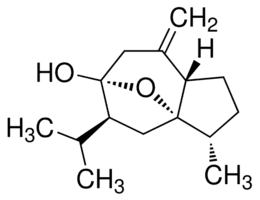
(−)-Curcumol
C15H24O2
Cell Biology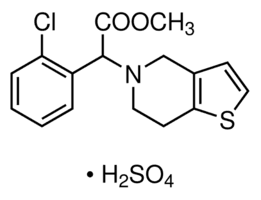
(±) Clopidogrel hydrogensulfate
Cell Biology
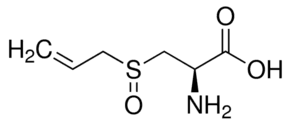
(±)-L-Alliin
C6H11NO3S
Cell Biology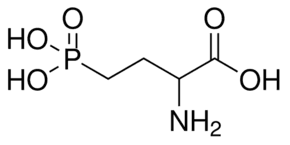
(±)-2-Amino-4-phosphonobutyric acid
C4H10NO5P
Cell Biology
(±)-2-Methylarachidonoyl-2′-fluoroethylamide
C23H38NOF
Cell Biology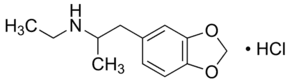
(±)-3,4-Methylenedioxy-N-ethylamphetamine hydrochloride
Cell Biology
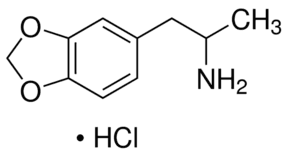
(±)-3,4-Methylenedioxyamphetamine hydrochloride
Cell Biology
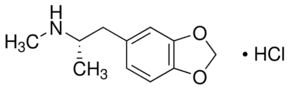
(±)-3,4-Methylenedioxymethamphetamine hydrochloride
Cell Biology
▶ Explore more

Bis(cyclopentadienyl)cobalt(III) hexafluorophosphate
C10H10CoF6P
Catalysis & Inorganic
1-(4-Chlorophenyl)biguanide hydrochloride
ClC6H4NHC(NH)NHC(NH)NH2 · HCl
Chemical Synthesis
Bis(cyclopentadienyl)dimethylzirconium(IV)
Catalysis & Inorganic

1-(4-Chlorophenyl)ethanol
ClC6H4CH(CH3)OH
Chemical Synthesis