
Stachyose hydrate from Stachys tuberifera
Stachyose hydrate (CAS: 54261-98-2, C24H42O21 · xH2O) is a tetrasaccharide that is hygroscopic and typically supplied as a white crystalline powder. Isolated from sources like Stachys tuberifera, it is a significant component in certain plant-based nutritional research and chemical biology applications. Its structure as a complex carbohydrate makes it a subject of interest in glycomics and carbohydrate chemistry.
- IUPAC
- α-D-Gal-(1→6)-α-D-Gal-(1→6)-α-D-Glc-(1→2)-β-D-Fru,β-D-Fructofuranosyl-O-α-D-galactopyranosyl-(1→6)-O-α-D-galactopyranosyl-(1→6)-α-D-glucopyranoside,Lupeose
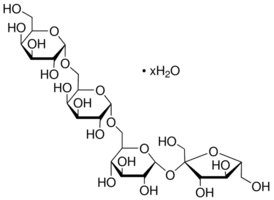
Nutritional Research
Stachyose is a prebiotic dietary fiber, serving as a food source for beneficial gut bacteria. It is utilised in nutritional studies to investigate its impact on gut microbiota composition and function.
Chemical Biology Studies
As a well-defined carbohydrate, stachyose is employed in chemical biology to understand carbohydrate-protein interactions and enzymatic pathways. Its specific glycosidic linkages are crucial for these investigations.
Glycoscience Research
Stachyose serves as a model compound in glycoscience for studying the synthesis, structure, and function of complex oligosaccharides. It is valuable for researchers in carbohydrate chemistry and related fields.
| Molecular weight | 666.58 (anhydrous basis) |
|---|---|
| Empirical formula | C24H42O21 · xH2O |
| Assay | 98% |
| Optical activity | [α]24/D +133°, c = 4 in H2O |
Documentation
Every batch ships with a Certificate of Analysis covering assay, identity and purity; the grade is confirmed against your enquiry. Safety Data Sheets and technical data sheets are available on request.
Supply & logistics
Samples for technical evaluation; bulk MOQ by grade and packaging. In-stock material ships in 7–10 working days, worldwide, with full export documentation.
What is Stachyose hydrate used for?
+
Stachyose hydrate is used in nutritional research as a prebiotic fiber to promote beneficial gut bacteria and in chemical biology and glycoscience for studies involving carbohydrate structures and interactions.
What is the CAS number and formula for Stachyose hydrate?
+
The CAS number for Stachyose hydrate is 54261-98-2, and its formula is C24H42O21 · xH2O.
What grade and purity does Tech Serve Solutions supply for Stachyose hydrate?
+
Tech Serve Solutions supplies Stachyose hydrate with an assay of 98%. This product is supplied for research and development purposes and is not represented as USP, BP, EP, or food grade.
What are the safety and handling recommendations for Stachyose hydrate?
+
Stachyose hydrate is classified with a WGK Germany rating of 3, indicating it is hazardous to water. Handle with appropriate personal protective equipment and avoid release into the environment.
Is Stachyose hydrate a controlled substance?
+
The provided data does not indicate that Stachyose hydrate is a controlled substance.
How is Stachyose hydrate packed, shipped, and exported?
+
Tech Serve Solutions adheres to all regulations for packing, shipping, and exporting chemicals globally, ensuring product integrity and compliance.
How can I request a sample or quote for Stachyose hydrate?
+
To request a sample or quote for Stachyose hydrate, please contact our sales team through the website or by phone.
▶ Related products
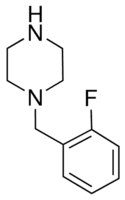
1-(2-Fluorobenzyl)piperazine
C11H15FN2
Chemical Synthesis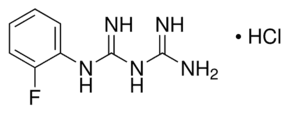
1-(2-Fluorophenyl)biguanide hydrochloride
Chemical Synthesis
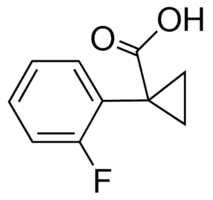
1-(2-Fluorophenyl)cyclopropanecarboxylic acid
C10H9FO2
Chemical Synthesis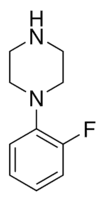
1-(2-Fluorophenyl)piperazine
C10H13FN2
Chemical Synthesis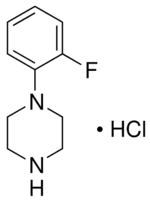
1-(2-Fluorophenyl)piperazine monohydrochloride
C10H13FN2 · HCl
Chemical Synthesis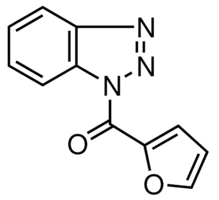
1-(2-Furoyl)-1H-benzotriazole
C11H7N3O2
Chemical Synthesis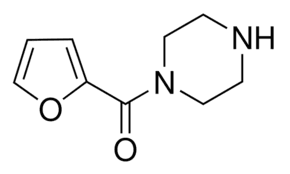
1-(2-Furoyl)piperazine
C9H12N2O2
Chemical Synthesis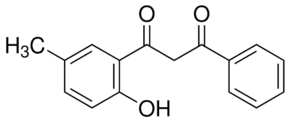
1-(2-Hydroxy-5-methylphenyl)-3-phenyl-1,3-propanedione
Chemical Synthesis
▶ Explore more

Bis(cyclopentadienyl)cobalt(III) hexafluorophosphate
C10H10CoF6P
Catalysis & Inorganic
1-(4-Chlorophenyl)biguanide hydrochloride
ClC6H4NHC(NH)NHC(NH)NH2 · HCl
Chemical Synthesis
Bis(cyclopentadienyl)dimethylzirconium(IV)
Catalysis & Inorganic

1-(4-Chlorophenyl)ethanol
ClC6H4CH(CH3)OH
Chemical Synthesis