
Sodium dichloroisocyanurate
Sodium dichloroisocyanurate (CAS: 2893-78-9), with the molecular formula C3Cl2N3NaO3 and a molecular weight of 219.95 g/mol, is a versatile chemical compound. It serves as an effective oxidizing agent and reactant in various chemical syntheses. Its applications include the N-monochlorination of amino esters, the synthesis of antimicrobial agents, and as a reagent in analytical chemistry for detecting ammonium ions. It is also explored for water disinfection and sanitisation purposes.
- IUPAC
- 3,5-Dichloro-2-hydroxy-4,6-s-triazinedione sodium salt,Dichloro-s-triazinetrione sodium salt
- Synonyms
- 3,5-Dichloro-2-hydroxy-4,6-s-triazinedione sodium saltDichloro-s-triazinetrione sodium salt
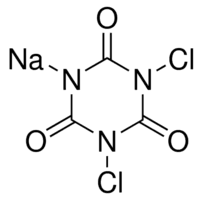
N-Monochlorination and Dehydrochlorination
Sodium dichloroisocyanurate acts as a reactant for the N-monochlorination and dehydrochlorination of amino esters, a key step in various organic syntheses.
Chlorination for Ammonium Detection
It is employed in a chlorination process that facilitates the detection of ammonium ions through the formation of coloured bands in detecting tubes.
Antimicrobial Synthesis
This compound is utilised in the synthesis of antimicrobial polyurethane additives designed to control biofilm formation in various applications.
Reagent for Halogenation
It serves as a precursor for the preparation of bromochloroisocyanurate, a reagent used for electrophilic cobromination of alkenes and bromination of arenes.
Water Disinfection
Studies have investigated its efficacy as an emergency disinfectant for contaminated drinking water and its antimicrobial activity on fresh produce.
| Molecular weight | 219.95 |
|---|---|
| Empirical formula | C3Cl2N3NaO3 |
| Assay | 96% |
| Application | Reactant or reagent for:• N-monochlorination and dehydrochlorination of amino esters1• Chlorination to detect ammonium via formation of colored zebra-bands in a deteting tube2• Synthesis of antimicrobial polyurethane additives to control biofilm3• Preparation of bromochloroisocyanurate for electrophilic cobromination of alkenes and bromination of arenes4Studies in regard to its antimicrobial activity on fresh produce5 and for emergency disinfectant of contaminated drinking water6 |


Hazard statements
- H272May intensify fire; oxidiser
- H302Harmful if swallowed
- H319Causes serious eye irritation
- H335May cause respiratory irritation
- H410Very toxic to aquatic life with long-lasting effects
Precautionary statements
- P220Keep away from clothing and combustible materials
- P261Avoid breathing dust, fume, gas or vapours
- P273Avoid release to the environment
- P305IF IN EYES
- P501Dispose of contents and container per local regulations
| Protective equipment | Eyeshields, full-face particle respirator type N100 (US), Gloves, respirator cartridge type N100 (US), type P1 (EN143) respirator filter, type P3 (EN 143) respirator cartridges |
|---|---|
| Transport (UN / ADR) | UN 2465 5.1/PG 2 |
| Water hazard class (WGK, DE) | 2 |
| Hazard codes (EU) | E,Xn,N |
| Risk statements (R) | 2-8-22-31-36/37-50/53 |
| Safety statements (S) | 8-26-41-45-60-61 |
| Supplemental hazards | Contact with acids liberates toxic gas. |
Hazard information is provided for guidance. Always consult the product Safety Data Sheet (SDS), available on request, before handling.
Documentation
Every batch ships with a Certificate of Analysis covering assay, identity and purity; the grade is confirmed against your enquiry. Safety Data Sheets and technical data sheets are available on request.
Supply & logistics
Samples for technical evaluation; bulk MOQ by grade and packaging. In-stock material ships in 7–10 working days, worldwide, with full export documentation.
What are the primary uses of Sodium dichloroisocyanurate?
+
Sodium dichloroisocyanurate is primarily used as a reactant or reagent in chemical synthesis, including N-monochlorination of amino esters, chlorination for ammonium detection, synthesis of antimicrobial agents, and preparation of halogenating reagents. It is also explored for water disinfection.
What is the CAS number and formula for Sodium dichloroisocyanurate?
+
The CAS number for Sodium dichloroisocyanurate is 2893-78-9, and its molecular formula is C3Cl2N3NaO3.
What grade and purity does Tech Serve Solutions supply?
+
Tech Serve Solutions supplies Sodium dichloroisocyanurate with an assay of 96%. We do not represent this product as USP, BP, or EP grade.
What are the safety concerns when handling Sodium dichloroisocyanurate?
+
Sodium dichloroisocyanurate is a Danger signal word material with hazards including H272 (May intensify fire; oxidizer), H302 (Harmful if swallowed), H319 (Causes serious eye irritation), H335 (May cause respiratory irritation), and H410 (Very toxic to aquatic life with long lasting effects). Contact with acids liberates toxic gas. Always use appropriate personal protective equipment such as eyeshields and chemical-resistant gloves, and handle in a well-ventilated area.
How is Sodium dichloroisocyanurate packed and exported?
+
Tech Serve Solutions exports fine chemicals globally, adhering to all necessary shipping regulations. Specific packaging details for Sodium dichloroisocyanurate are available upon request to meet international shipping standards.
How can I request a sample or quote for Sodium dichloroisocyanurate?
+
To request a sample or obtain a quote for Sodium dichloroisocyanurate, please contact our sales team through the website or by phone, specifying the product CAS number (2893-78-9) and the desired quantity.
▶ Related products
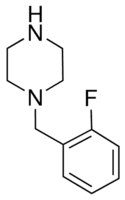
1-(2-Fluorobenzyl)piperazine
C11H15FN2
Chemical Synthesis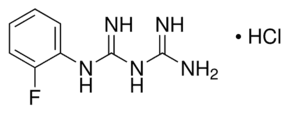
1-(2-Fluorophenyl)biguanide hydrochloride
Chemical Synthesis
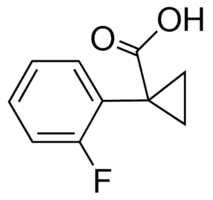
1-(2-Fluorophenyl)cyclopropanecarboxylic acid
C10H9FO2
Chemical Synthesis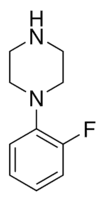
1-(2-Fluorophenyl)piperazine
C10H13FN2
Chemical Synthesis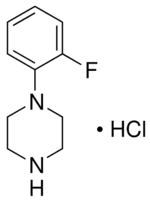
1-(2-Fluorophenyl)piperazine monohydrochloride
C10H13FN2 · HCl
Chemical Synthesis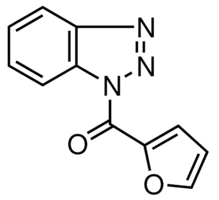
1-(2-Furoyl)-1H-benzotriazole
C11H7N3O2
Chemical Synthesis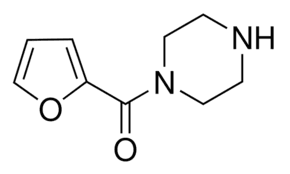
1-(2-Furoyl)piperazine
C9H12N2O2
Chemical Synthesis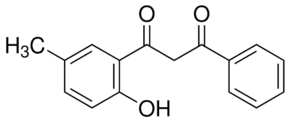
1-(2-Hydroxy-5-methylphenyl)-3-phenyl-1,3-propanedione
Chemical Synthesis
▶ Explore more

Bis(cyclopentadienyl)cobalt(III) hexafluorophosphate
C10H10CoF6P
Catalysis & Inorganic
1-(4-Chlorophenyl)biguanide hydrochloride
ClC6H4NHC(NH)NHC(NH)NH2 · HCl
Chemical Synthesis
Bis(cyclopentadienyl)dimethylzirconium(IV)
Catalysis & Inorganic

1-(4-Chlorophenyl)ethanol
ClC6H4CH(CH3)OH
Chemical Synthesis