
Sodium azide
Sodium azide (NaN3, CAS 26628-22-8), a highly toxic inorganic compound with a molecular weight of 65.01 g/mol, serves as a crucial reagent in chemical synthesis and azidation reactions. It is also recognised for its utility in analytical standards, particularly in chromatography and environmental testing. Its chemical properties make it valuable for forming C-X bonds and as a laboratory reagent.

Chemical Synthesis
Sodium azide is widely employed as a synthetic reagent for introducing the azide functional group into organic molecules, enabling further transformations. It is particularly useful in the synthesis of nitrogen-containing heterocycles and for diazo transfer reactions.
Analytical Standards
Due to its defined properties, sodium azide is used in the preparation of analytical standards for chromatography and environmental monitoring. It can serve as a reference material in various analytical procedures.
Azidation and Diazo Transfer
This compound is a primary reagent for azidation reactions, facilitating the formation of organic azides. It is also instrumental in diazo transfer processes, a key step in the synthesis of various organic compounds.
C-X Bond Formation
Sodium azide participates in non-halogen C-X bond formation reactions, allowing for the direct introduction of nitrogen into carbon frameworks. This is valuable in creating complex organic structures.
| Molecular weight | 65.01 |
|---|---|
| Linear formula | NaN3 |
| Assay | ≥97.0% |
| Solubility | H2O: soluble1 M at 20 °C, clear, colorless |
| pH | ~10.0 (25 °C, 1 M in H2O) |
| Loss on drying | ≤0.1% loss on drying, 105 °C, 4 h |
| Impurities tested | ≤0.1% Insoluble matter |


Hazard statements
- H300Fatal if swallowed
- H410Very toxic to aquatic life with long-lasting effects
Precautionary statements
- P264Wash thoroughly after handling
- P273Avoid release to the environment
- P301IF SWALLOWED
- P501Dispose of contents and container per local regulations
| Protective equipment | dust mask type N95 (US), Eyeshields, Faceshields, Gloves, type P2 (EN 143) respirator cartridges |
|---|---|
| Transport (UN / ADR) | UN 1687 6.1 / PGII |
| Water hazard class (WGK, DE) | 2 |
| Hazard codes (EU) | T+,N |
| Risk statements (R) | 28-32-50/53 |
| Safety statements (S) | 28-45-60-61 |
| Supplemental hazards | Contact with acids liberates very toxic gas. |
| Cation traces | Al: ≤0.0005%Ca: ≤0.005%Cu: ≤0.0005%Fe: ≤0.0005%K: ≤0.005%Mg: ≤0.001%Pb: ≤0.001%Zn: ≤0.0005% |
| Anion traces | chloride (Cl-): ≤0.005%sulfate (SO42-): ≤0.005% |
Hazard information is provided for guidance. Always consult the product Safety Data Sheet (SDS), available on request, before handling.
| Absorption | A/275 <1.0 |
|---|
Documentation
Every batch ships with a Certificate of Analysis covering assay, identity and purity; the grade is confirmed against your enquiry. Safety Data Sheets and technical data sheets are available on request.
Supply & logistics
Samples for technical evaluation; bulk MOQ by grade and packaging. In-stock material ships in 7–10 working days, worldwide, with full export documentation.
What is Sodium Azide used for?
+
Sodium azide is primarily used as a reagent in chemical synthesis, particularly for azidation and diazo transfer reactions, and for forming C-X bonds. It also finds application as an analytical standard in chromatography and environmental testing.
What is the CAS number and chemical formula for Sodium Azide?
+
The CAS number for Sodium Azide is 26628-22-8, and its chemical formula is NaN3.
What grade and purity does Tech Serve Solutions supply?
+
Tech Serve Solutions supplies Sodium Azide with a minimum assay of ≥97.0%. We do not represent this product as USP, BP, EP, or any pharmacopoeia grade; it is suitable for research and technical applications.
How should Sodium Azide be handled safely?
+
Sodium azide is highly toxic and reacts with acids to liberate very toxic gas. Handle with extreme care, using appropriate personal protective equipment including dust masks (N95), eyeshields, gloves, and P2 respirator cartridges. Avoid contact with acids.
Is Sodium Azide packed and exported by TSS?
+
Yes, Tech Serve Solutions, a specialist global supplier and exporter, offers Sodium Azide for international shipment, adhering to all relevant regulations for hazardous materials (UN 1687, Class 6.1).
How can I request a sample or quote for Sodium Azide?
+
To request a sample or a quote for Sodium Azide, please contact our sales team through our website or by phone. Provide your contact details and the quantity required.
▶ Related products
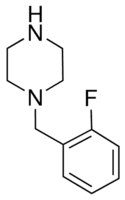
1-(2-Fluorobenzyl)piperazine
C11H15FN2
Chemical Synthesis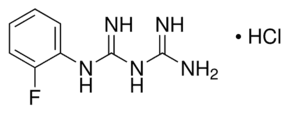
1-(2-Fluorophenyl)biguanide hydrochloride
Chemical Synthesis
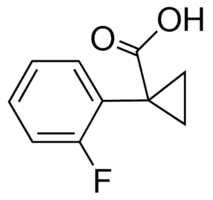
1-(2-Fluorophenyl)cyclopropanecarboxylic acid
C10H9FO2
Chemical Synthesis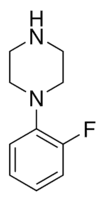
1-(2-Fluorophenyl)piperazine
C10H13FN2
Chemical Synthesis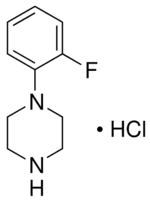
1-(2-Fluorophenyl)piperazine monohydrochloride
C10H13FN2 · HCl
Chemical Synthesis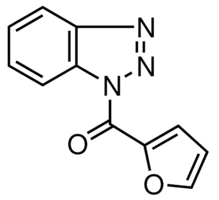
1-(2-Furoyl)-1H-benzotriazole
C11H7N3O2
Chemical Synthesis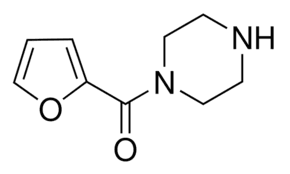
1-(2-Furoyl)piperazine
C9H12N2O2
Chemical Synthesis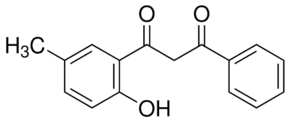
1-(2-Hydroxy-5-methylphenyl)-3-phenyl-1,3-propanedione
Chemical Synthesis
▶ Explore more

Bis(cyclopentadienyl)cobalt(III) hexafluorophosphate
C10H10CoF6P
Catalysis & Inorganic
1-(4-Chlorophenyl)biguanide hydrochloride
ClC6H4NHC(NH)NHC(NH)NH2 · HCl
Chemical Synthesis
Bis(cyclopentadienyl)dimethylzirconium(IV)
Catalysis & Inorganic

1-(4-Chlorophenyl)ethanol
ClC6H4CH(CH3)OH
Chemical Synthesis