
Sodium
Sodium (CAS: 7440-23-5; Formula: Na) is a highly reactive alkali metal with a metallic appearance. It is known for its intense reactivity, particularly with water, and its powerful reducing capabilities. Sodium is extensively used in chemical synthesis as a strong reducing agent, in the production of other chemicals, and in materials science for creating alloys and specialized materials. Its unique properties make it an essential element in various industrial and research applications.

Chemical Synthesis
Sodium serves as a potent reducing agent in organic and inorganic synthesis. It is employed in reactions such as the Birch reduction and in the preparation of sodium amide and sodium hydride, which are themselves valuable reagents.
Metallurgy and Alloys
This alkali metal is used in metallurgy, often alloyed with other metals to impart specific properties. For instance, sodium-lead alloys were historically used in lubricants, and sodium is utilized in the production of titanium.
Materials Science
Sodium's unique electronic and physical properties make it a subject of interest in materials science research. It is used in studies related to solid-state physics, electrochemistry, and the development of advanced materials.
Production of Other Chemicals
Sodium is a key component in the industrial production of various chemicals. It is used in the synthesis of sodium peroxide, sodium cyanide, and other sodium compounds critical for numerous industrial processes.
| Molecular weight | 22.99 |
|---|---|
| Empirical formula | Na |
| Boiling point | 883 °C(lit.) |
| Vapour pressure | 1 mmHg (440 °C)1 mmHg (440 °C) |
| Melting point | 97.8 °C(lit.) |


Hazard statements
- H260In contact with water releases flammable gases
- H314Causes severe skin burns and eye damage
Precautionary statements
- P223Do not allow contact with water
- P231Handle under inert gas
- P280Wear protective gloves, clothing and eye/face protection
- P305IF IN EYES
- P370In case of fire
- P422
| Transport (UN / ADR) | UN 1391 4.3/PG 1 |
|---|---|
| Water hazard class (WGK, DE) | 1 |
| Hazard codes (EU) | F,C |
| Risk statements (R) | 14/15-34 |
| Safety statements (S) | 26-36/37/39-43-45 |
| Supplemental hazards | Reacts violently with water. |
| Cation traces | Fe: ≤0.001%heavy metals (as Pb): ≤5 ppm |
| Anion traces | chloride (Cl-): ≤0.002%nitrate (NO3-): ≤0.003%phosphate (PO43-): ≤5 ppmsulfate (SO42-): passes test |
Hazard information is provided for guidance. Always consult the product Safety Data Sheet (SDS), available on request, before handling.
| Resistivity | 4.69 μΩ-cm, 20°C |
|---|
Documentation
Every batch ships with a Certificate of Analysis covering assay, identity and purity; the grade is confirmed against your enquiry. Safety Data Sheets and technical data sheets are available on request.
Supply & logistics
Samples for technical evaluation; bulk MOQ by grade and packaging. In-stock material ships in 7–10 working days, worldwide, with full export documentation.
What is Sodium (CAS: 7440-23-5) used for?
+
Sodium (CAS: 7440-23-5) is primarily used as a powerful reducing agent in chemical synthesis, in metallurgy for creating alloys, and in the production of other sodium-based chemicals and materials. It is also utilized in materials science research.
What is the CAS number and formula for Sodium?
+
The CAS number for Sodium is 7440-23-5, and its chemical formula is Na.
What grade and purity does Tech Serve Solutions supply?
+
Tech Serve Solutions supplies Sodium with a specified purity suitable for research and technical applications. Please refer to the product specifications or contact us for detailed assay information. We do not represent this product as USP, BP, or EP grade unless explicitly stated.
How should Sodium be handled and stored?
+
Sodium is highly reactive and dangerous. It reacts violently with water, releasing flammable hydrogen gas and causing burns (H260-H314). It must be stored under an inert liquid (like mineral oil) and handled with extreme caution in a dry, inert atmosphere. Always follow stringent safety protocols (P223-P231 + P232-P280-P305 + P351 + P338-P370 + P378-P422).
Is Sodium regulated or a controlled substance?
+
The provided data does not indicate that Sodium is a controlled or scheduled substance under typical chemical regulations, but users should verify local compliance requirements.
How can I request a quote or sample for Sodium?
+
To request a quote or a sample of Sodium, please contact the Tech Serve Solutions sales team through our website or by phone, providing your specific requirements and delivery details.
How is Sodium packed and exported by TSS?
+
Sodium is carefully packed to ensure safety and stability during transport, typically under an inert medium. Tech Serve Solutions is experienced in exporting chemicals globally, adhering to all relevant shipping and customs regulations for hazardous materials like Sodium (UN 1391).
▶ Related products
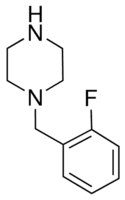
1-(2-Fluorobenzyl)piperazine
C11H15FN2
Chemical Synthesis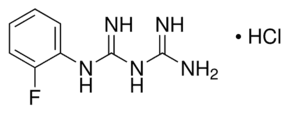
1-(2-Fluorophenyl)biguanide hydrochloride
Chemical Synthesis
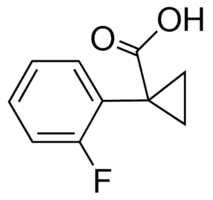
1-(2-Fluorophenyl)cyclopropanecarboxylic acid
C10H9FO2
Chemical Synthesis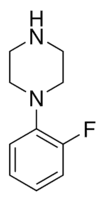
1-(2-Fluorophenyl)piperazine
C10H13FN2
Chemical Synthesis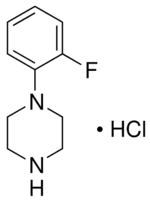
1-(2-Fluorophenyl)piperazine monohydrochloride
C10H13FN2 · HCl
Chemical Synthesis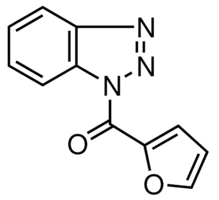
1-(2-Furoyl)-1H-benzotriazole
C11H7N3O2
Chemical Synthesis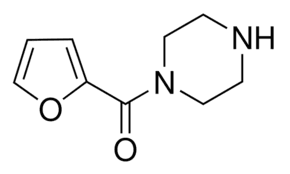
1-(2-Furoyl)piperazine
C9H12N2O2
Chemical Synthesis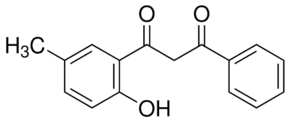
1-(2-Hydroxy-5-methylphenyl)-3-phenyl-1,3-propanedione
Chemical Synthesis
▶ Explore more

Bis(cyclopentadienyl)cobalt(III) hexafluorophosphate
C10H10CoF6P
Catalysis & Inorganic
1-(4-Chlorophenyl)biguanide hydrochloride
ClC6H4NHC(NH)NHC(NH)NH2 · HCl
Chemical Synthesis
Bis(cyclopentadienyl)dimethylzirconium(IV)
Catalysis & Inorganic

1-(4-Chlorophenyl)ethanol
ClC6H4CH(CH3)OH
Chemical Synthesis