
Shikonin
Shikonin (CAS: 54952-43-1), with the molecular formula C16H16O5 and a molecular weight of 288.30, is a naturally occurring naphthoquinone pigment found in plants of the Lithospermum genus. This compound is recognised for its biological activities and is predominantly utilised in cell biology research and nutrition studies. Shikonin serves as a valuable phytochemical reference standard for researchers investigating natural product chemistry and its diverse applications.
- IUPAC
- (±)-Alkannin,(±)-Shikalkin,(±)-Shikonin,(±)-5,8-Dihydroxy-2-(1-hydroxy-4-methyl-3-pentenyl)-1,4-naphthoquinone
- Synonyms
- (±)-Alkannin(±)-Shikalkin(±)-Shikonin(±)-5,8-Dihydroxy-2-(1-hydroxy-4-methyl-3-pentenyl)-1,4-naphthoquinone

Cell Biology Research
Shikonin is employed as a research tool in cell biology, particularly for studying apoptosis, cell cycle regulation, and mitochondrial function. Its cytotoxic properties make it a subject of interest in cancer research.
Nutrition Research
As a significant phytochemical, Shikonin is studied for its potential nutritional value and its role in plant metabolism. Research may explore its antioxidant properties and effects on cellular health.
Herbal Medicine and TCM Studies
Shikonin is a key compound found in traditional Chinese medicine herbs. It is used as a reference standard in pharmacognostic research and phytochemical analysis of herbal remedies.
Natural Product Chemistry
This compound serves as a valuable standard for the isolation, purification, and characterisation of natural products. It aids in understanding the complex chemical profiles of medicinal plants.
| Molecular weight | 288.30 |
|---|---|
| Empirical formula | C16H16O5 |
| Assay | ≥98% (HPLC) |
| Solubility | methanol: soluble1 mg/mL |
| Storage temperature | 2-8°C |


Hazard statements
- H302Harmful if swallowed
- H400Very toxic to aquatic life
Precautionary statements
- P273Avoid release to the environment
| Transport (UN / ADR) | UN 3077 9 / PGIII |
|---|---|
| Water hazard class (WGK, DE) | 3 |
| Hazard codes (EU) | Xn,N |
| Risk statements (R) | 22-50/53 |
| Safety statements (S) | 61 |
Hazard information is provided for guidance. Always consult the product Safety Data Sheet (SDS), available on request, before handling.
Documentation
Every batch ships with a Certificate of Analysis covering assay, identity and purity; the grade is confirmed against your enquiry. Safety Data Sheets and technical data sheets are available on request.
Supply & logistics
Samples for technical evaluation; bulk MOQ by grade and packaging. In-stock material ships in 7–10 working days, worldwide, with full export documentation.
What is Shikonin used for?
+
Shikonin is primarily used in cell biology research, nutrition research, and as a reference compound in studies involving herbal medicine, traditional Chinese medicine, and natural product chemistry.
What is the CAS number and formula for Shikonin?
+
The CAS number for Shikonin is 54952-43-1, and its molecular formula is C16H16O5.
What grade and purity does Tech Serve Solutions supply?
+
Tech Serve Solutions supplies Shikonin with an assay of ≥98% (HPLC). TSS does not represent this product as USP, BP, EP, or any other pharmacopoeial grade.
How should Shikonin be handled and stored?
+
Shikonin is classified with GHS07 and GHS09 symbols and carries a Warning signal word. It is harmful if swallowed (H302) and very toxic to aquatic life (H400). Store at 2-8°C, away from incompatible materials, in a well-ventilated area.
How is Shikonin packed and exported by TSS?
+
Shikonin is carefully packed according to international shipping regulations and exported globally by Tech Serve Solutions to meet research and development needs worldwide.
How can I request a sample or quote for Shikonin?
+
To request a sample or obtain a quotation for Shikonin, please contact our sales department via the website or direct email, providing your specific requirements.
▶ Related products
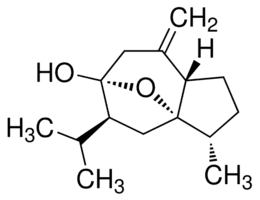
(−)-Curcumol
C15H24O2
Cell Biology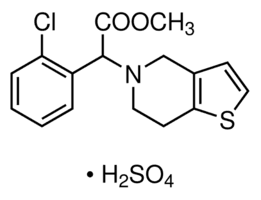
(±) Clopidogrel hydrogensulfate
Cell Biology
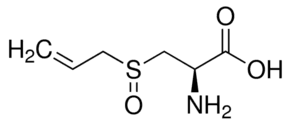
(±)-L-Alliin
C6H11NO3S
Cell Biology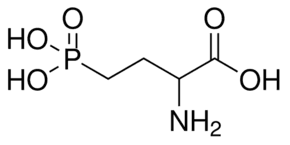
(±)-2-Amino-4-phosphonobutyric acid
C4H10NO5P
Cell Biology
(±)-2-Methylarachidonoyl-2′-fluoroethylamide
C23H38NOF
Cell Biology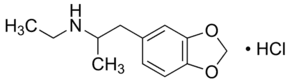
(±)-3,4-Methylenedioxy-N-ethylamphetamine hydrochloride
Cell Biology
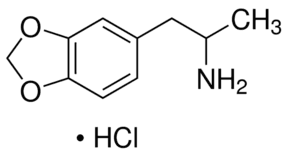
(±)-3,4-Methylenedioxyamphetamine hydrochloride
Cell Biology
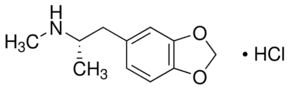
(±)-3,4-Methylenedioxymethamphetamine hydrochloride
Cell Biology
▶ Explore more

Bis(cyclopentadienyl)cobalt(III) hexafluorophosphate
C10H10CoF6P
Catalysis & Inorganic
1-(4-Chlorophenyl)biguanide hydrochloride
ClC6H4NHC(NH)NHC(NH)NH2 · HCl
Chemical Synthesis
Bis(cyclopentadienyl)dimethylzirconium(IV)
Catalysis & Inorganic

1-(4-Chlorophenyl)ethanol
ClC6H4CH(CH3)OH
Chemical Synthesis