
(−)-α-Santonin
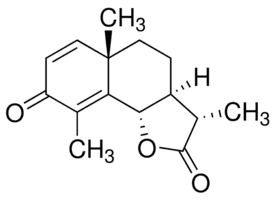
(−)-α-Santonin (CAS: 481-06-1, C15H18O3) is a naturally occurring sesquiterpene lactone primarily isolated from plants like Artemisia vulgaris. With a molecular weight of 246.30 g/mol, this compound is recognised for its chiral properties and is utilised as a building block in asymmetric synthesis and general chemical research. Its distinct chemical structure and reactivity make it a valuable intermediate for exploring novel compounds and reactions within organic chemistry and related fields.
- IUPAC
- (3S,5aS,9bS)-3a,5,5a,9b-Tetrahydro-3,5a,9-trimethylnaphtho[1,2-b]furan-2,8(3H,4H)dione
Chiral Building Block
As a naturally occurring chiral molecule, (−)-α-Santonin serves as a valuable starting material or intermediate in asymmetric synthesis. Its defined stereochemistry can be leveraged to construct complex chiral targets with high enantiomeric purity.
Organic Synthesis Intermediate
The sesquiterpene lactone structure of (−)-α-Santonin offers multiple functional groups, making it suitable for a variety of chemical transformations. It is employed in the development of new synthetic methodologies and the preparation of diverse organic compounds.
Research and Development
This compound is utilised in academic and industrial research laboratories for exploring novel chemical reactions and investigating the properties of sesquiterpene lactones. Its availability aids in the discovery of new applications in medicinal chemistry and material science.
Phytochemical Studies
(−)-α-Santonin is studied as a representative phytochemical isolated from various plant sources. Research may focus on its natural occurrence, extraction, purification, and potential biological activities relevant to nutrition and herbal medicine.
| Molecular weight | 246.30 |
|---|---|
| Empirical formula | C15H18O3 |
| Assay | ≥98.0% (CH) |
| Optical activity | [α]20/D −170±5°, c = 1% in ethanol |
| Storage temperature | 2-8°C |
| Melting point | 170-173 °C172-173 °C(lit.) |

Hazard statements
- H302Harmful if swallowed
- H310Fatal in contact with skin
- H315Causes skin irritation
- H319Causes serious eye irritation
- H330Fatal if inhaled
- H335May cause respiratory irritation
Precautionary statements
- P260Do not breathe dust, fume, gas, mist, vapours or spray
- P280Wear protective gloves, clothing and eye/face protection
- P284Wear respiratory protection
- P302IF ON SKIN
- P305IF IN EYES
- P310Immediately call a POISON CENTER or doctor
| Protective equipment | Eyeshields, Faceshields, full-face particle respirator type N100 (US), Gloves, respirator cartridge type N100 (US), type P1 (EN143) respirator filter, type P3 (EN 143) respirator cartridges |
|---|---|
| Transport (UN / ADR) | UN 2811 6.1 / PGII |
| Water hazard class (WGK, DE) | 3 |
| Hazard codes (EU) | T+,Xi |
| Risk statements (R) | 26/27/28-36/37/38 |
| Safety statements (S) | 26-28-36-37-45 |
Hazard information is provided for guidance. Always consult the product Safety Data Sheet (SDS), available on request, before handling.
Documentation
Every batch ships with a Certificate of Analysis covering assay, identity and purity; the grade is confirmed against your enquiry. Safety Data Sheets and technical data sheets are available on request.
Supply & logistics
Samples for technical evaluation; bulk MOQ by grade and packaging. In-stock material ships in 7–10 working days, worldwide, with full export documentation.
What is (−)-α-Santonin used for?
+
Tech Serve Solutions supplies (−)-α-Santonin primarily as a chiral building block for asymmetric synthesis and as an intermediate in general organic chemical research and development. It is also studied as a phytochemical.
What are the CAS number and chemical formula for (−)-α-Santonin?
+
The CAS number for (−)-α-Santonin is 481-06-1, and its chemical formula is C15H18O3.
What grade and purity does Tech Serve Solutions supply?
+
Tech Serve Solutions supplies (−)-α-Santonin with an assay of ≥98.0% (CH). We do not represent this product as USP, BP, EP, or pharmacopoeia grade.
How is (−)-α-Santonin handled and stored?
+
(−)-α-Santonin is classified as dangerous and requires strict handling precautions. It is labelled with GHS06 and the signal word 'Danger'. Hazards include H302, H310, H315, H319, H330, and H335, indicating acute toxicity (oral, dermal, inhalation), skin irritation, eye irritation, and respiratory irritation. Appropriate personal protective equipment, including eyeshields, face shields, gloves, and suitable respirators, is essential. Recommended storage is at 2-8°C.
How are your chemicals, including (−)-α-Santonin, packed and exported?
+
Tech Serve Solutions specialises in the global supply and export of fine chemicals. Products are packed according to stringent international regulations for hazardous materials (e.g., UN 2811, Class 6.1, Packing Group II) to ensure safe transit. We handle all necessary documentation for export.
How can I request a quote or sample for (−)-α-Santonin?
+
To request a quote or a sample of (−)-α-Santonin, please contact our sales team through the website or by calling our office. Provide the product name and CAS number (481-06-1) in your inquiry.
▶ Related products
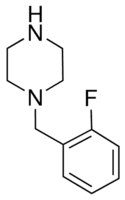
1-(2-Fluorobenzyl)piperazine
C11H15FN2
Chemical Synthesis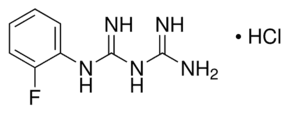
1-(2-Fluorophenyl)biguanide hydrochloride
Chemical Synthesis
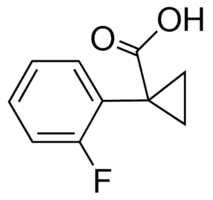
1-(2-Fluorophenyl)cyclopropanecarboxylic acid
C10H9FO2
Chemical Synthesis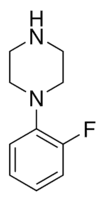
1-(2-Fluorophenyl)piperazine
C10H13FN2
Chemical Synthesis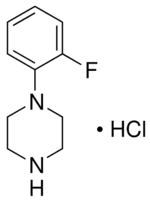
1-(2-Fluorophenyl)piperazine monohydrochloride
C10H13FN2 · HCl
Chemical Synthesis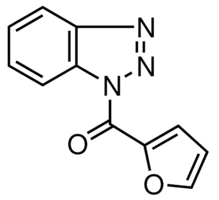
1-(2-Furoyl)-1H-benzotriazole
C11H7N3O2
Chemical Synthesis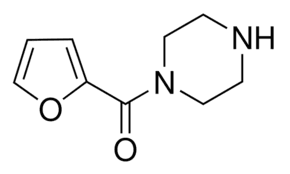
1-(2-Furoyl)piperazine
C9H12N2O2
Chemical Synthesis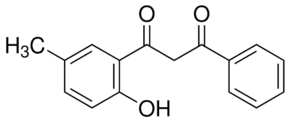
1-(2-Hydroxy-5-methylphenyl)-3-phenyl-1,3-propanedione
Chemical Synthesis
▶ Explore more

Bis(cyclopentadienyl)cobalt(III) hexafluorophosphate
C10H10CoF6P
Catalysis & Inorganic
1-(4-Chlorophenyl)biguanide hydrochloride
ClC6H4NHC(NH)NHC(NH)NH2 · HCl
Chemical Synthesis
Bis(cyclopentadienyl)dimethylzirconium(IV)
Catalysis & Inorganic

1-(4-Chlorophenyl)ethanol
ClC6H4CH(CH3)OH
Chemical Synthesis