
Sakakin
Sakakin (CAS: 21082-33-7; Formula: C13H18O7; Molar Mass: 286.28 g/mol) is a compound supplied by Tech Serve Solutions. This phytochemical is primarily of interest in cell biology and nutrition research. It falls under the chemical classification of glycosides, including glucosinolates. Sakakin is offered with a purity of ≥95% by LC/MS-ELSD, making it suitable for advanced research and analytical applications.
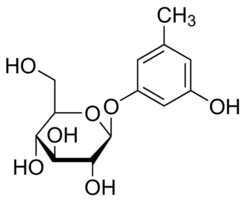
Cell Biology Research
Sakakin serves as a valuable reagent in cell biology studies, enabling investigations into cellular processes and pathways. Its phytochemical nature makes it a compound of interest for understanding biological mechanisms at the cellular level.
Nutrition Research
As a component within the broader category of glycosides and glucosinolates, Sakakin may be utilised in nutrition research. Its role in plant-derived compounds offers avenues for exploring dietary impacts and metabolic functions.
Phytochemical Analysis
This compound is classified as a phytochemical, making it relevant for analytical chemistry and studies focused on plant-derived substances. Researchers can utilise Sakakin for reference standards or to investigate its specific chemical properties.
| Molecular weight | 286.28 |
|---|---|
| Empirical formula | C13H18O7 |
| Assay | ≥95% (LC/MS-ELSD) |
| Storage temperature | −20°C |

Hazard statements
- H319Causes serious eye irritation
Precautionary statements
- P305IF IN EYES
| Water hazard class (WGK, DE) | 3 |
|---|---|
| Hazard codes (EU) | Xi |
| Risk statements (R) | 36 |
| Safety statements (S) | 26 |
Hazard information is provided for guidance. Always consult the product Safety Data Sheet (SDS), available on request, before handling.
Documentation
Every batch ships with a Certificate of Analysis covering assay, identity and purity; the grade is confirmed against your enquiry. Safety Data Sheets and technical data sheets are available on request.
Supply & logistics
Samples for technical evaluation; bulk MOQ by grade and packaging. In-stock material ships in 7–10 working days, worldwide, with full export documentation.
What is Sakakin used for?
+
Sakakin is primarily used in cell biology and nutrition research, and for phytochemical analysis.
What is the CAS number and formula for Sakakin?
+
The CAS number for Sakakin is 21082-33-7, and its molecular formula is C13H18O7.
What grade and purity does Tech Serve Solutions supply for Sakakin?
+
Tech Serve Solutions supplies Sakakin with a minimum purity of ≥95% as determined by LC/MS-ELSD. We do not represent this product as USP, BP, or EP grade.
How should Sakakin be handled and stored?
+
Sakakin requires careful handling due to potential eye irritation (H319). It should be stored at −20°C. In case of contact with eyes, rinse cautiously with water for several minutes, removing contact lenses if present and easy to do (P305 + P351 + P338).
Is Sakakin a controlled substance?
+
The provided data does not indicate that Sakakin (CAS: 21082-33-7) is a controlled substance.
How can I request a sample or quote for Sakakin?
+
To request a sample or a quote for Sakakin, please contact the Tech Serve Solutions sales team through our website or by phone.
How is Sakakin packed, shipped, and exported?
+
Sakakin is carefully packaged to ensure stability during transit and is available for global export by Tech Serve Solutions, adhering to all relevant shipping regulations.
▶ Related products
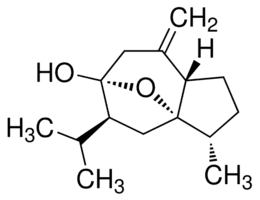
(−)-Curcumol
C15H24O2
Cell Biology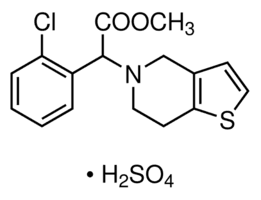
(±) Clopidogrel hydrogensulfate
Cell Biology
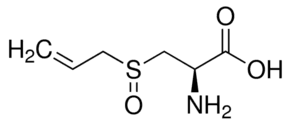
(±)-L-Alliin
C6H11NO3S
Cell Biology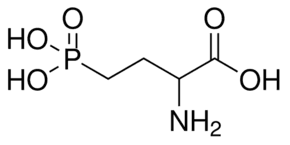
(±)-2-Amino-4-phosphonobutyric acid
C4H10NO5P
Cell Biology
(±)-2-Methylarachidonoyl-2′-fluoroethylamide
C23H38NOF
Cell Biology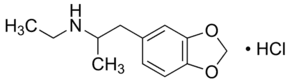
(±)-3,4-Methylenedioxy-N-ethylamphetamine hydrochloride
Cell Biology
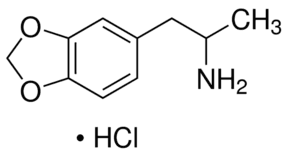
(±)-3,4-Methylenedioxyamphetamine hydrochloride
Cell Biology
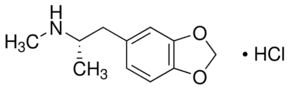
(±)-3,4-Methylenedioxymethamphetamine hydrochloride
Cell Biology
▶ Explore more

Bis(cyclopentadienyl)cobalt(III) hexafluorophosphate
C10H10CoF6P
Catalysis & Inorganic
1-(4-Chlorophenyl)biguanide hydrochloride
ClC6H4NHC(NH)NHC(NH)NH2 · HCl
Chemical Synthesis
Bis(cyclopentadienyl)dimethylzirconium(IV)
Catalysis & Inorganic

1-(4-Chlorophenyl)ethanol
ClC6H4CH(CH3)OH
Chemical Synthesis