
Rubrene
Rubrene (CAS 517-51-1), a tetracene derivative with the molecular formula C42H28 and a molecular weight of 532.67 g/mol, is a highly fluorescent organic compound. It is widely recognised for its exceptional photoluminescence and charge transport properties. Rubrene serves as a valuable reagent in chemiluminescence research and finds significant application as a dopant in organic light-emitting diodes (OLEDs) and other organic electronic devices.
- IUPAC
- 5,6,11,12-Tetraphenylnaphthacene
- Synonyms
- 5,6,11,12-Tetraphenylnaphthacene
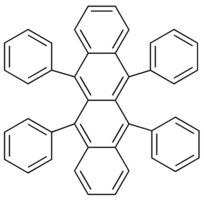
Chemiluminescence Research Reagent
Rubrene is employed as a reagent in studies involving chemiluminescence, a process where light is produced by a chemical reaction. Its strong fluorescence makes it an effective indicator in various analytical and research applications.
Organic Electronics and OLEDs
With excellent charge transport characteristics and bright red fluorescence, Rubrene is utilised as a dopant in organic light-emitting diodes (OLEDs) and other organic electronic devices, contributing to colour emission and device performance.
Photoluminescent Materials
The compound's inherent photoluminescent properties make it suitable for applications in developing advanced photoluminescent materials for various scientific and technological uses.
Transition Metal Complex Ligation
Rubrene acts as a ligand in the formation of transition metal complexes, an important area of study in coordination chemistry and catalysis.
| Molecular weight | 532.67 |
|---|---|
| Empirical formula | C42H28 |
| Assay | 99.99% trace metals basis |
| Form | powder |
| Application | Reagent for chemiluminescence research and for transition metal complex ligation.3,4 |
| Melting point | 330-335 °C(lit.) |
| Protective equipment | Eyeshields, Gloves, type N95 (US), type P1 (EN143) respirator filter |
|---|---|
| Water hazard class (WGK, DE) | 3 |
Hazard information is provided for guidance. Always consult the product Safety Data Sheet (SDS), available on request, before handling.
| Absorption | λmax 299 nm |
|---|---|
| Fluorescence | λem 550 nm in THF |
| Orbital Energy | HOMO 5.4 eV LUMO 3.2 eV |
| Oled Device Performance | ITO/CuPc/NPD/Alq3:Rubrene (5%): DCM2 (2%)/Alq3/Mg:In5• Color: red• Max. Luminance: 7780 Cd/m2ITO/PEDOT:PSS/EHCz:Rubrene (1 wt%)/Cs2CO3:ITO6• Color: red• Max. EQE: 0.03 % |
Documentation
Every batch ships with a Certificate of Analysis covering assay, identity and purity; the grade is confirmed against your enquiry. Safety Data Sheets and technical data sheets are available on request.
Supply & logistics
Samples for technical evaluation; bulk MOQ by grade and packaging. In-stock material ships in 7–10 working days, worldwide, with full export documentation.
What is Rubrene used for?
+
Rubrene is used as a reagent in chemiluminescence research, as a dopant in organic electronics and OLED devices, in the development of photoluminescent materials, and for transition metal complex ligation.
What is the CAS number and formula for Rubrene?
+
The CAS number for Rubrene is 517-51-1, and its molecular formula is C42H28.
What grade and purity does Tech Serve Solutions supply?
+
Tech Serve Solutions supplies Rubrene with an assay of 99.99% on a trace metals basis. We do not represent this product as USP, BP, or EP grade.
What are the safety and handling considerations for Rubrene?
+
Handling Rubrene requires appropriate personal protective equipment, including eyeshields and gloves. A respirator filter (type N95 US, type P1 EN143) is recommended. Rubrene has a WGK Germany rating of 3, indicating a high hazard to water.
How is Rubrene packed and shipped?
+
Rubrene is available as a powder. We export fine chemicals globally and ensure appropriate packaging for safe transit.
How can I request a quote or sample for Rubrene?
+
Please contact our sales team to request a quote or a sample of Rubrene. Details are available on the Tech Serve Solutions website.
▶ Related products
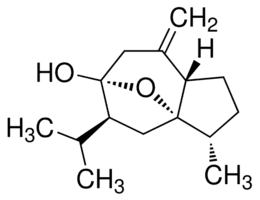
(−)-Curcumol
C15H24O2
Cell Biology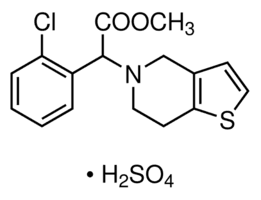
(±) Clopidogrel hydrogensulfate
Cell Biology
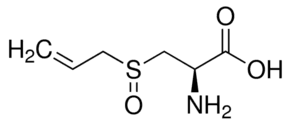
(±)-L-Alliin
C6H11NO3S
Cell Biology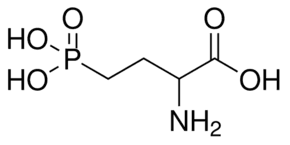
(±)-2-Amino-4-phosphonobutyric acid
C4H10NO5P
Cell Biology
(±)-2-Methylarachidonoyl-2′-fluoroethylamide
C23H38NOF
Cell Biology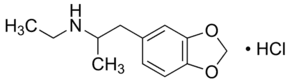
(±)-3,4-Methylenedioxy-N-ethylamphetamine hydrochloride
Cell Biology
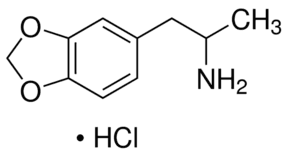
(±)-3,4-Methylenedioxyamphetamine hydrochloride
Cell Biology
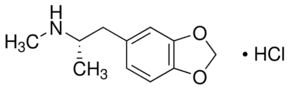
(±)-3,4-Methylenedioxymethamphetamine hydrochloride
Cell Biology
▶ Explore more

Bis(cyclopentadienyl)cobalt(III) hexafluorophosphate
C10H10CoF6P
Catalysis & Inorganic
1-(4-Chlorophenyl)biguanide hydrochloride
ClC6H4NHC(NH)NHC(NH)NH2 · HCl
Chemical Synthesis
Bis(cyclopentadienyl)dimethylzirconium(IV)
Catalysis & Inorganic

1-(4-Chlorophenyl)ethanol
ClC6H4CH(CH3)OH
Chemical Synthesis