
Resiquimod
Resiquimod (CAS: 144875-48-9) is a bioactive small molecule with the chemical formula C17H22N4O2 and a molecular weight of 314.38 g/mol. This compound is recognised for its utility in immunological and cancer-related cell signalling studies. Its specific structure and properties make it a valuable reagent for researchers investigating complex biological pathways.
- IUPAC
- 4-Amino-2-(ethoxymethyl)-alpha,R-848,R848,S28463,alpha-dimethyl-1H-imidazo(4,5-c)quinoline-1-ethanol
- Synonyms
- 4-Amino-2-(ethoxymethyl)-alpha,R-848,R848,S28463,alpha-dimethyl-1H-imidazo(4,5-c)quinoline-1-ethanol

Immunological Research
Resiquimod is employed in studies focusing on immune system responses and signalling pathways. Its ability to modulate immune cell activity makes it a key compound for investigating inflammatory and immune defence mechanisms.
Cancer Cell Signalling
This molecule serves as a tool for exploring cell signalling cascades relevant to cancer biology. Researchers utilise Resiquimod to understand how these pathways contribute to tumour growth and progression.
Bioactive Small Molecule Research
As a member of the bioactive small molecules class, Resiquimod is used to probe biological systems and uncover molecular mechanisms. Its application extends to various research areas requiring specific biological modulators.
| Molecular weight | 314.38 |
|---|---|
| Empirical formula | C17H22N4O2 |
| Assay | ≥98% (HPLC) |
| Solubility | DMSO: soluble10 mg/mL, clear (warmed to 60 °C) |
| Storage temperature | −20°C |
| Application | Resiquimod may be used in immunological and cancer-related cell signaling studies. |
| Storage Condition | desiccatedprotect from light |
|---|
Documentation
Every batch ships with a Certificate of Analysis covering assay, identity and purity; the grade is confirmed against your enquiry. Safety Data Sheets and technical data sheets are available on request.
Supply & logistics
Samples for technical evaluation; bulk MOQ by grade and packaging. In-stock material ships in 7–10 working days, worldwide, with full export documentation.
What is Resiquimod used for?
+
Resiquimod is primarily used in immunological and cancer-related cell signalling studies, as well as a general bioactive small molecule for research.
What are the CAS number and formula for Resiquimod?
+
The CAS number for Resiquimod is 144875-48-9, and its empirical formula is C17H22N4O2.
What grade and purity does Tech Serve Solutions supply for Resiquimod?
+
Tech Serve Solutions supplies Resiquimod with an assay of ≥98% (HPLC). We do not represent this product as USP, BP, or EP grade.
What are the safety and handling requirements for Resiquimod?
+
Resiquimod should be handled with care, as it is classified under WGK Germany 3. It requires storage at -20°C, protected from light and in a desiccated state. Refer to the Safety Data Sheet for comprehensive handling information.
How is Resiquimod packaged, shipped, and exported?
+
Resiquimod is carefully packaged to maintain its integrity during transit. Tech Serve Solutions is experienced in exporting chemicals globally, ensuring compliance with all relevant shipping regulations.
How can I request a sample or quote for Resiquimod?
+
To request a sample or obtain a quote for Resiquimod, please contact our sales team through the website or by phone, providing your specific requirements.
▶ Related products
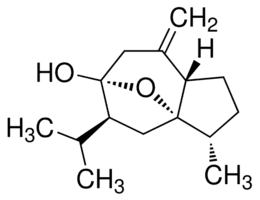
(−)-Curcumol
C15H24O2
Cell Biology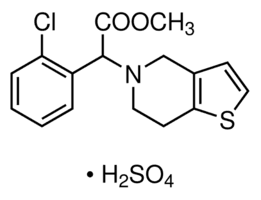
(±) Clopidogrel hydrogensulfate
Cell Biology
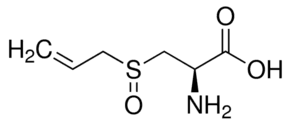
(±)-L-Alliin
C6H11NO3S
Cell Biology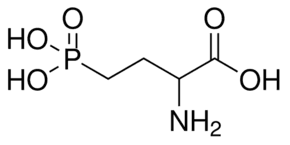
(±)-2-Amino-4-phosphonobutyric acid
C4H10NO5P
Cell Biology
(±)-2-Methylarachidonoyl-2′-fluoroethylamide
C23H38NOF
Cell Biology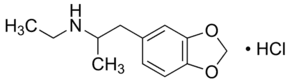
(±)-3,4-Methylenedioxy-N-ethylamphetamine hydrochloride
Cell Biology
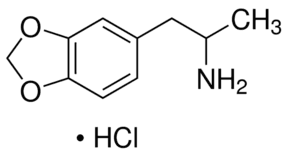
(±)-3,4-Methylenedioxyamphetamine hydrochloride
Cell Biology
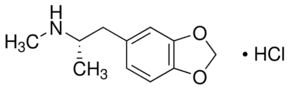
(±)-3,4-Methylenedioxymethamphetamine hydrochloride
Cell Biology
▶ Explore more

Bis(cyclopentadienyl)cobalt(III) hexafluorophosphate
C10H10CoF6P
Catalysis & Inorganic
1-(4-Chlorophenyl)biguanide hydrochloride
ClC6H4NHC(NH)NHC(NH)NH2 · HCl
Chemical Synthesis
Bis(cyclopentadienyl)dimethylzirconium(IV)
Catalysis & Inorganic

1-(4-Chlorophenyl)ethanol
ClC6H4CH(CH3)OH
Chemical Synthesis