
Quinine monohydrochloride dihydrate
Quinine monohydrochloride dihydrate (CAS 6119-47-7, C20H24N2O2 · HCl · 2H2O) is a crystalline salt derived from the cinchona alkaloid quinine. With a molecular weight of 396.91 g/mol, this compound exhibits fluorescence properties and is suitable for various chemical synthesis applications. It is particularly noted for its utility in asymmetric synthesis and as a chiral reagent, leveraging its inherent chirality.
- IUPAC
- Quinine hydrochloride dihydrate
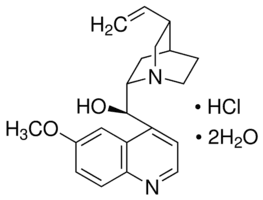
Asymmetric Synthesis
Quinine monohydrochloride dihydrate serves as a valuable chiral building block or auxiliary in asymmetric synthesis. Its defined stereochemistry allows for the induction of chirality in organic reactions, leading to enantiomerically enriched products.
Chiral Catalysis and Ligands
As a Cinchona alkaloid derivative, it can be employed as a precursor for chiral ligands and catalysts. These are crucial in enantioselective transformations within organic chemistry and pharmaceutical development.
Fluorescence Applications
The compound exhibits distinct fluorescence characteristics with specific excitation and emission wavelengths. This property makes it suitable for use as a fluorescent probe or marker in certain analytical or research settings.
Chemical Synthesis Reagent
Utilised in general chemical synthesis, Quinine monohydrochloride dihydrate functions as a reactant or intermediate in the preparation of more complex organic molecules.
| Molecular weight | 396.91 |
|---|---|
| Empirical formula | C20H24N2O2 · HCl · 2H2O |
| Assay | 88% |
| Solubility | H2O: soluble |
| Optical activity | [α]20/D −230±5°, c = 2% in 0.1 M HCl |
| Impurities tested | ≤10% dihydroquinine hydrochloride (HPLC) |
| Suitability | suitable for fluorescence |
| Melting point | 115-116 °C (dec.)(lit.) |


Hazard statements
- H302Harmful if swallowed
- H317May cause an allergic skin reaction
- H334May cause allergy or asthma symptoms if inhaled
Precautionary statements
- P261Avoid breathing dust, fume, gas or vapours
- P280Wear protective gloves, clothing and eye/face protection
- P342
| Water hazard class (WGK, DE) | 3 |
|---|---|
| Hazard codes (EU) | Xn |
| Risk statements (R) | 22-42/43 |
| Safety statements (S) | 22-36/37-45 |
Hazard information is provided for guidance. Always consult the product Safety Data Sheet (SDS), available on request, before handling.
| Fluorescence | λex 322 nm; λem 450 nm in H2Oλex 347 nm; λem 448 nm in 0.5 M sulfuric acid |
|---|
Documentation
Every batch ships with a Certificate of Analysis covering assay, identity and purity; the grade is confirmed against your enquiry. Safety Data Sheets and technical data sheets are available on request.
Supply & logistics
Samples for technical evaluation; bulk MOQ by grade and packaging. In-stock material ships in 7–10 working days, worldwide, with full export documentation.
What is Quinine monohydrochloride dihydrate used for?
+
Quinine monohydrochloride dihydrate is primarily used in asymmetric synthesis, as a chiral catalyst or ligand precursor, in chemical synthesis, and for fluorescence-related applications.
What is the CAS number and formula for Quinine monohydrochloride dihydrate?
+
The CAS number is 6119-47-7 and the empirical formula is C20H24N2O2 · HCl · 2H2O.
What grade and purity does Tech Serve Solutions supply?
+
Tech Serve Solutions supplies Quinine monohydrochloride dihydrate with an assay of 88%, with impurities of ≤10% dihydroquinine hydrochloride (HPLC). TSS does not represent this product as USP, BP, or EP grade.
How should Quinine monohydrochloride dihydrate be handled safely?
+
This compound is harmful if swallowed, may cause an allergic skin reaction, and may cause allergy or asthma symptoms or breathing difficulties if inhaled. Handle with appropriate personal protective equipment, including respiratory protection, and avoid dust formation. Refer to the Safety Data Sheet for detailed handling procedures.
How is Quinine monohydrochloride dihydrate packed and exported?
+
Tech Serve Solutions packs and exports chemicals according to international shipping regulations. Please contact us for specific details regarding packaging and export documentation for your region.
How can I request a sample or quote for Quinine monohydrochloride dihydrate?
+
To request a sample or quote, please contact our sales team through the website or by phone, providing the product name and CAS number.
▶ Related products
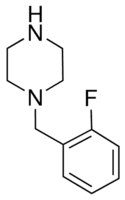
1-(2-Fluorobenzyl)piperazine
C11H15FN2
Chemical Synthesis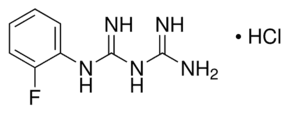
1-(2-Fluorophenyl)biguanide hydrochloride
Chemical Synthesis
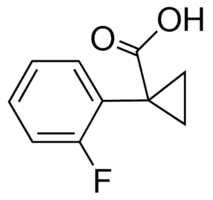
1-(2-Fluorophenyl)cyclopropanecarboxylic acid
C10H9FO2
Chemical Synthesis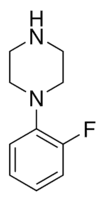
1-(2-Fluorophenyl)piperazine
C10H13FN2
Chemical Synthesis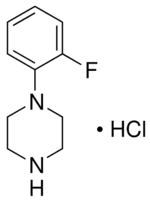
1-(2-Fluorophenyl)piperazine monohydrochloride
C10H13FN2 · HCl
Chemical Synthesis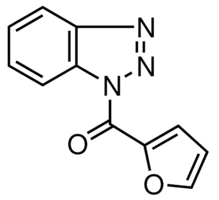
1-(2-Furoyl)-1H-benzotriazole
C11H7N3O2
Chemical Synthesis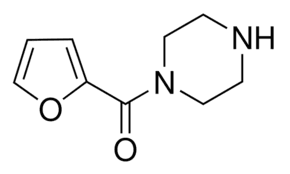
1-(2-Furoyl)piperazine
C9H12N2O2
Chemical Synthesis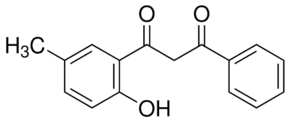
1-(2-Hydroxy-5-methylphenyl)-3-phenyl-1,3-propanedione
Chemical Synthesis
▶ Explore more

Bis(cyclopentadienyl)cobalt(III) hexafluorophosphate
C10H10CoF6P
Catalysis & Inorganic
1-(4-Chlorophenyl)biguanide hydrochloride
ClC6H4NHC(NH)NHC(NH)NH2 · HCl
Chemical Synthesis
Bis(cyclopentadienyl)dimethylzirconium(IV)
Catalysis & Inorganic

1-(4-Chlorophenyl)ethanol
ClC6H4CH(CH3)OH
Chemical Synthesis