
Quinine
Quinine (CAS: 130-95-0, C20H24N2O2, MW: 324.42 g/mol) is a naturally occurring alkaloid derived from cinchona bark. It exhibits fluorescence and is recognised for its historical use as an antimalarial agent. In modern research, Quinine is employed as a fluorescence standard and in various chemical synthesis applications, particularly within chiral chemistry due to its stereochemical properties. Tech Serve Solutions supplies Quinine for research and development purposes.

Fluorescence Standard
Quinine is widely used as a fluorescence quantum yield standard in spectroscopy due to its well-defined excitation (λex 347 nm) and emission (λem 448 nm) spectra in acidic solutions. Its reliable fluorescence properties make it invaluable for calibrating fluorometers and validating experimental measurements.
Chemical Synthesis
As a chiral alkaloid, Quinine serves as a precursor and catalyst in asymmetric synthesis. It is particularly useful in reactions requiring stereoselective control, enabling the production of enantiomerically enriched compounds for pharmaceutical and fine chemical industries.
Biochemical Research
Quinine is utilised in cell biology and biochemical research, offering insights into cellular processes and serving as a reference compound. Its effects on ion channels and enzyme activity are subjects of ongoing investigation.
| Molecular weight | 324.42 |
|---|---|
| Empirical formula | C20H24N2O2 |
| Assay | 90% |
| Solubility | H2O: soluble |
| Optical activity | [α]25/D −165°, c = 2 in ethanol |
| Loss on drying | ≤1% loss on drying, 110 °C |
| Impurities tested | ≤5% dihydroquinine (HPLC) |
| Melting point | 173-175 °C(lit.) |
| Suitability | suitable for fluorescence |


Hazard statements
- H315Causes skin irritation
- H317May cause an allergic skin reaction
- H319Causes serious eye irritation
- H334May cause allergy or asthma symptoms if inhaled
- H335May cause respiratory irritation
Precautionary statements
- P261Avoid breathing dust, fume, gas or vapours
- P280Wear protective gloves, clothing and eye/face protection
- P305IF IN EYES
- P342
| Protective equipment | dust mask type N95 (US), Eyeshields, Faceshields, Gloves |
|---|---|
| Water hazard class (WGK, DE) | 3 |
| Hazard codes (EU) | Xn |
| Risk statements (R) | 36/37/38-42/43 |
| Safety statements (S) | 22-26-36/37-45 |
Hazard information is provided for guidance. Always consult the product Safety Data Sheet (SDS), available on request, before handling.
| Gene Information | human ... ABCB1(5243), CYP2C9(1559), CYP2D6(1565)rat ... Cyp2d1(266684), Cyp2d2(25053), Cyp2d3(24303), Cyp2d4v1(171522) |
|---|---|
| Fluorescence | λex 347 nm; λem 448 nm in 0.5 M sulfuric acid |
Documentation
Every batch ships with a Certificate of Analysis covering assay, identity and purity; the grade is confirmed against your enquiry. Safety Data Sheets and technical data sheets are available on request.
Supply & logistics
Samples for technical evaluation; bulk MOQ by grade and packaging. In-stock material ships in 7–10 working days, worldwide, with full export documentation.
What is Quinine primarily used for?
+
Quinine is used as a fluorescence standard, in asymmetric chemical synthesis, and in various biochemical and cell biology research applications. It is historically known for its antimalarial properties.
What are the CAS number and formula for Quinine?
+
The CAS number for Quinine is 130-95-0, and its molecular formula is C20H24N2O2.
What grade and purity does Tech Serve Solutions supply?
+
Tech Serve Solutions supplies Quinine with an assay of 90%, suitable for fluorescence applications. Impurities such as dihydroquinine are controlled to ≤5% by HPLC. This product is supplied for research and development; TSS does not represent it as USP, BP, or EP grade.
How should Quinine be handled safely?
+
Quinine presents hazards including skin and eye irritation, and respiratory irritation. It can also cause allergic skin reactions and is hazardous if inhaled. Appropriate personal protective equipment, including a dust mask (type N95 US), eyeshields, face shields, and gloves, must be used. Handle in a well-ventilated area and avoid dust formation. Refer to the Safety Data Sheet for comprehensive handling information.
Is Quinine a controlled substance?
+
Based on the provided data, there is no indication that Quinine (CAS 130-95-0) is a controlled or scheduled substance. However, users should always verify local regulations.
How is Quinine packed, shipped, and exported?
+
Quinine is carefully packed to ensure stability during transit and is exported globally by Tech Serve Solutions. Specific packaging details are available upon request.
How can I request a sample or quote for Quinine?
+
To request a sample or a quote for Quinine, please contact our sales team through the website or by phone, providing your specific requirements.
▶ Related products
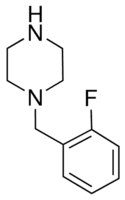
1-(2-Fluorobenzyl)piperazine
C11H15FN2
Chemical Synthesis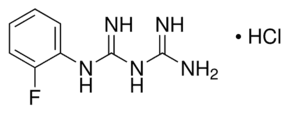
1-(2-Fluorophenyl)biguanide hydrochloride
Chemical Synthesis
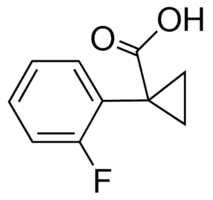
1-(2-Fluorophenyl)cyclopropanecarboxylic acid
C10H9FO2
Chemical Synthesis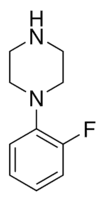
1-(2-Fluorophenyl)piperazine
C10H13FN2
Chemical Synthesis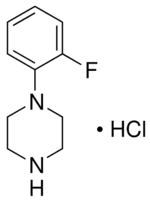
1-(2-Fluorophenyl)piperazine monohydrochloride
C10H13FN2 · HCl
Chemical Synthesis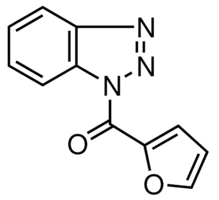
1-(2-Furoyl)-1H-benzotriazole
C11H7N3O2
Chemical Synthesis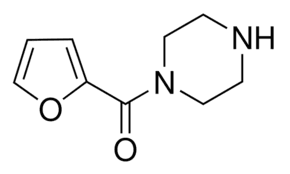
1-(2-Furoyl)piperazine
C9H12N2O2
Chemical Synthesis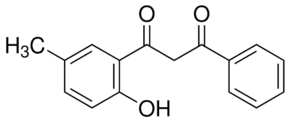
1-(2-Hydroxy-5-methylphenyl)-3-phenyl-1,3-propanedione
Chemical Synthesis
▶ Explore more

Bis(cyclopentadienyl)cobalt(III) hexafluorophosphate
C10H10CoF6P
Catalysis & Inorganic
1-(4-Chlorophenyl)biguanide hydrochloride
ClC6H4NHC(NH)NHC(NH)NH2 · HCl
Chemical Synthesis
Bis(cyclopentadienyl)dimethylzirconium(IV)
Catalysis & Inorganic

1-(4-Chlorophenyl)ethanol
ClC6H4CH(CH3)OH
Chemical Synthesis