
Quinidine
Quinidine (CAS 56-54-2) is a naturally occurring cinchona alkaloid with the molecular formula C20H24N2O2 and a molar mass of 324.42 g/mol. The dextrorotatory diastereomer of quinine, it is a well-characterised bioactive small molecule and a Class Ia antiarrhythmic that acts as a cardiac sodium-channel blocker. In research and synthesis it serves as a chiral ligand and organocatalyst. Tech Serve Solutions supplies Quinidine in the anhydrous form for laboratory, research and industrial use.
- Synonyms
- Quinidine(8R,9S)-Quinidinebeta-QuinidineConquinine(+)-QuinidineQuinidine anhydrous

Antiarrhythmic research
Quinidine is a classical Class Ia antiarrhythmic agent and cardiac sodium-channel blocker. It is widely used as a reference compound in cardiovascular and electrophysiology research.
Ion-channel and pharmacology studies
As a documented modulator of sodium and potassium ion channels, Quinidine is employed as a tool compound in ion-channel, cell-signalling and neuroscience investigations.
Chiral catalysis and asymmetric synthesis
As a cinchona alkaloid, Quinidine functions as a chiral ligand, organocatalyst and resolving agent. It is used in asymmetric synthesis and enantioselective transformations.
Reference standard and analytical use
Quinidine serves as a characterised reference material for analytical method development, chromatography and quality-control work in laboratory settings.
Pharmaceutical and metabolism research
As a recognised cytochrome P450 (CYP2D6) inhibitor, Quinidine is used in drug-metabolism, transporter and pharmacokinetic research as a probe compound.
| Molecular weight | 324.42 |
|---|---|
| Empirical formula | C20H24N2O2 |
| Grade | anhydrous |
| Impurities tested | ≤20% Dihydroquinidine (according to USP specifications., actual content given on label) |
| Melting point | 168-172 °C(lit.) |

Hazard statements
- H301Toxic if swallowed
Precautionary statements
- P301IF SWALLOWED
| Protective equipment | dust mask type N95 (US), Eyeshields, Faceshields, Gloves |
|---|---|
| Transport (UN / ADR) | UN 2811 6.1 / PGIII |
| Water hazard class (WGK, DE) | 3 |
| Hazard codes (EU) | Xn |
| Risk statements (R) | 22 |
| Safety statements (S) | 36 |
Hazard information is provided for guidance. Always consult the product Safety Data Sheet (SDS), available on request, before handling.
Documentation
Every batch ships with a Certificate of Analysis covering assay, identity and purity; the grade is confirmed against your enquiry. Safety Data Sheets and technical data sheets are available on request.
Supply & logistics
Samples for technical evaluation; bulk MOQ by grade and packaging. In-stock material ships in 7–10 working days, worldwide, with full export documentation.
What is Quinidine used for?
+
Quinidine is a cinchona alkaloid best known as a Class Ia antiarrhythmic and cardiac sodium-channel blocker. In laboratory and industrial settings it is used in ion-channel and pharmacology research, as a chiral ligand and organocatalyst for asymmetric synthesis, as a CYP2D6 probe in drug-metabolism studies, and as an analytical reference material.
What is the CAS number and molecular formula of Quinidine?
+
Quinidine has the CAS number 56-54-2 and the molecular formula C20H24N2O2, with a molecular weight of 324.42 g/mol. Its EC number is 200-279-0 and its MDL number is MFCD00135581. The melting point is approximately 168-172 degC.
What grade and purity of Quinidine does Tech Serve Solutions supply?
+
Tech Serve Solutions supplies Quinidine in the anhydrous form for research and industrial use. The material contains up to 20% dihydroquinidine, with the actual content stated on the label. We can provide a Certificate of Analysis with each consignment; please contact us to confirm the current specification against your requirements.
Is Quinidine hazardous, and how should it be handled?
+
Yes. Quinidine is classified GHS06 with the signal word Danger and hazard statement H301 (toxic if swallowed). Handle it only with suitable engineering controls and personal protective equipment, including an N95-type dust mask, eye and face protection, and gloves. If swallowed, immediately call a poison centre or doctor (P301 + P310). Always consult the Safety Data Sheet before use.
How is Quinidine packed, shipped and exported?
+
Quinidine is supplied in securely sealed, clearly labelled containers with batch documentation. It is classified as a dangerous good for transport under UN 2811, Class 6.1, Packing Group III, and is shipped in compliant packaging with the appropriate documentation. Tech Serve Solutions exports worldwide; pack sizes and shipping mode are confirmed at the time of order.
How do I request a sample or quote for Quinidine?
+
Contact Tech Serve Solutions with your required quantity, grade and destination, and our team will respond with availability, lead time and documentation. We support both sample quantities and bulk supply for laboratory, research and industrial customers.
▶ Related products
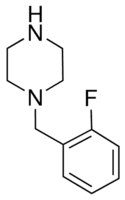
1-(2-Fluorobenzyl)piperazine
C11H15FN2
Chemical Synthesis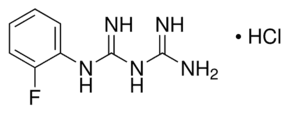
1-(2-Fluorophenyl)biguanide hydrochloride
Chemical Synthesis
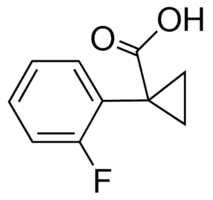
1-(2-Fluorophenyl)cyclopropanecarboxylic acid
C10H9FO2
Chemical Synthesis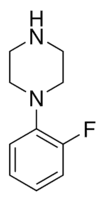
1-(2-Fluorophenyl)piperazine
C10H13FN2
Chemical Synthesis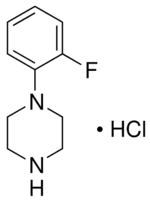
1-(2-Fluorophenyl)piperazine monohydrochloride
C10H13FN2 · HCl
Chemical Synthesis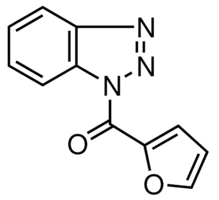
1-(2-Furoyl)-1H-benzotriazole
C11H7N3O2
Chemical Synthesis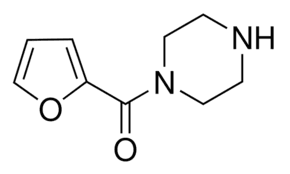
1-(2-Furoyl)piperazine
C9H12N2O2
Chemical Synthesis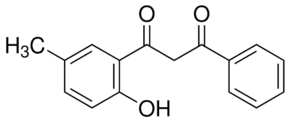
1-(2-Hydroxy-5-methylphenyl)-3-phenyl-1,3-propanedione
Chemical Synthesis
▶ Explore more

Bis(cyclopentadienyl)cobalt(III) hexafluorophosphate
C10H10CoF6P
Catalysis & Inorganic
1-(4-Chlorophenyl)biguanide hydrochloride
ClC6H4NHC(NH)NHC(NH)NH2 · HCl
Chemical Synthesis
Bis(cyclopentadienyl)dimethylzirconium(IV)
Catalysis & Inorganic

1-(4-Chlorophenyl)ethanol
ClC6H4CH(CH3)OH
Chemical Synthesis