
Quinhydrone
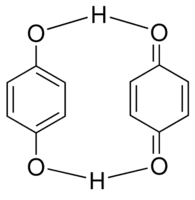
Quinhydrone (CAS: 106-34-3) is a molecular complex of quinone and hydroquinone with the formula C6H4(OH)2 · C6H4O2. This organic compound, with a molecular weight of 218.21 g/mol, is recognised for its redox properties. It serves as a valuable reagent and building block in various chemical synthesis applications, particularly in electrochemistry and as a pH indicator.
- IUPAC
- Hydroquinone: benzoquinone 1:1 complex
Redox Indicator
Quinhydrone is widely utilised as a redox indicator in analytical chemistry, particularly for determining the potential of solutions and in potentiometric titrations. Its predictable redox behaviour makes it a reliable indicator.
Electrochemical Studies
The compound is employed in electrochemical research due to its well-defined redox couple. It is instrumental in calibrating pH meters and understanding electrode potentials in various aqueous systems.
Organic Synthesis Intermediate
As a building block, Quinhydrone can be used in specific organic synthesis pathways. Its structure, comprising both oxidised and reduced forms of a benzene derivative, offers unique reactivity.
pH Determination
Historically, Quinhydrone electrodes have been used for the determination of pH. This method leverages the compound's ability to establish a potential directly related to the hydrogen ion concentration.
| Molecular weight | 218.21 |
|---|---|
| Linear formula | C6H4(OH)2 · C6H4O2 |
| Assay | 97% |
| Melting point | 167-172 °C(lit.) |

Hazard statements
- H301Toxic if swallowed
- H315Causes skin irritation
- H319Causes serious eye irritation
- H335May cause respiratory irritation
Precautionary statements
- P261Avoid breathing dust, fume, gas or vapours
- P301IF SWALLOWED
- P305IF IN EYES
| Protective equipment | dust mask type N95 (US), Eyeshields, Faceshields, Gloves |
|---|---|
| Transport (UN / ADR) | UN 2811 6.1 / PGIII |
| Water hazard class (WGK, DE) | 3 |
| Hazard codes (EU) | Xn |
| Risk statements (R) | 22-36/37/38 |
| Safety statements (S) | 26-36 |
Hazard information is provided for guidance. Always consult the product Safety Data Sheet (SDS), available on request, before handling.
Documentation
Every batch ships with a Certificate of Analysis covering assay, identity and purity; the grade is confirmed against your enquiry. Safety Data Sheets and technical data sheets are available on request.
Supply & logistics
Samples for technical evaluation; bulk MOQ by grade and packaging. In-stock material ships in 7–10 working days, worldwide, with full export documentation.
What is Quinhydrone used for?
+
Quinhydrone (CAS: 106-34-3) is primarily used as a redox indicator, in electrochemical studies for calibrating pH meters and determining electrode potentials, and as an intermediate in organic synthesis.
What are the CAS number and formula for Quinhydrone?
+
The CAS number for Quinhydrone is 106-34-3, and its formula is C6H4(OH)2 · C6H4O2.
What grade and purity does Tech Serve Solutions supply?
+
Tech Serve Solutions supplies Quinhydrone with an assay of 97%. This product is supplied for research and laboratory use and is not represented as USP, BP, EP, or pharmacopoeia grade.
How should Quinhydrone be handled safely?
+
Quinhydrone is classified with hazards H301 (Toxic if swallowed), H315 (Causes skin irritation), H319 (Causes serious eye irritation), and H335 (May cause respiratory irritation). Handle with appropriate personal protective equipment, including a dust mask (type N95 US), eye shields, face shields, and gloves. Ensure adequate ventilation.
How is Quinhydrone shipped and exported?
+
Quinhydrone is shipped under UN 2811, Hazard Class 6.1, Packing Group III. Tech Serve Solutions is an experienced global supplier and exporter of fine chemicals, ensuring compliant and secure international shipments.
How can I request a sample or quote for Quinhydrone?
+
To request a sample or a quote for Quinhydrone, please contact our sales team through the website or by phone. We aim to respond promptly to all inquiries.
▶ Related products
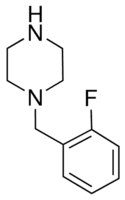
1-(2-Fluorobenzyl)piperazine
C11H15FN2
Chemical Synthesis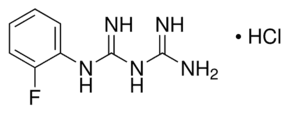
1-(2-Fluorophenyl)biguanide hydrochloride
Chemical Synthesis
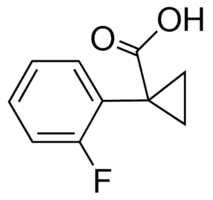
1-(2-Fluorophenyl)cyclopropanecarboxylic acid
C10H9FO2
Chemical Synthesis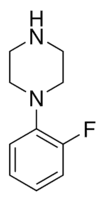
1-(2-Fluorophenyl)piperazine
C10H13FN2
Chemical Synthesis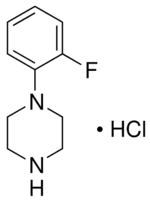
1-(2-Fluorophenyl)piperazine monohydrochloride
C10H13FN2 · HCl
Chemical Synthesis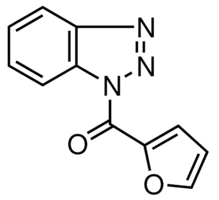
1-(2-Furoyl)-1H-benzotriazole
C11H7N3O2
Chemical Synthesis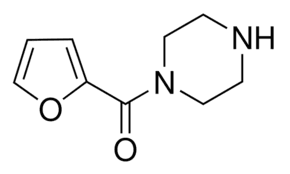
1-(2-Furoyl)piperazine
C9H12N2O2
Chemical Synthesis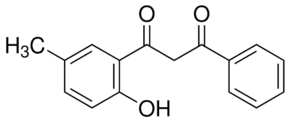
1-(2-Hydroxy-5-methylphenyl)-3-phenyl-1,3-propanedione
Chemical Synthesis
▶ Explore more

Bis(cyclopentadienyl)cobalt(III) hexafluorophosphate
C10H10CoF6P
Catalysis & Inorganic
1-(4-Chlorophenyl)biguanide hydrochloride
ClC6H4NHC(NH)NHC(NH)NH2 · HCl
Chemical Synthesis
Bis(cyclopentadienyl)dimethylzirconium(IV)
Catalysis & Inorganic

1-(4-Chlorophenyl)ethanol
ClC6H4CH(CH3)OH
Chemical Synthesis