
PTACH
PTACH (CAS 848354-66-5), with the molecular formula C20H26N2O2S2 and a molecular weight of 390.56 g/mol, is a bioactive small molecule supplied by Tech Serve Solutions. It is recognised for its role in epigenetic research and cell biology, particularly as a regulator of DNA-RNA transcription. This compound is crucial for studies involving gene regulation and expression, and acts as a histone deacetylase (HDAC) inhibitor.
- IUPAC
- Cpd 51,S-[6-(4-Phenyl-2-thiazolylcarbamoyl)hexyl] thioisobutyrate
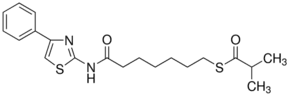
Epigenetic Research
PTACH is utilised in advanced epigenetic research to investigate the mechanisms of gene regulation and expression. Its function as an HDAC inhibitor makes it valuable for studying the impact of histone modifications on cellular processes.
Cell Biology Studies
As a bioactive small molecule, PTACH is employed in cell biology to explore cellular signaling pathways. It serves as a tool for understanding how epigenetic modifications influence cell behaviour and function.
Neuroscience Research
This compound finds application in neuroscience research, contributing to the understanding of cell signaling mechanisms relevant to neurological functions. Its role in gene transcription regulation is particularly relevant.
DNA-RNA Transcription Regulation
PTACH is used to study the intricate processes of DNA-RNA transcription. As a regulator in this pathway, it aids researchers in deciphering the molecular basis of gene expression control.
| Molecular weight | 390.56 |
|---|---|
| Empirical formula | C20H26N2O2S2 |
| Assay | ≥98% (HPLC) |
| Form | solid |
| Solubility | DMSO: soluble26 mg/mL |
| Storage temperature | 2-8°C |

Hazard statements
- H318Causes serious eye damage
- H413May cause long-lasting harmful effects to aquatic life
Precautionary statements
- P280Wear protective gloves, clothing and eye/face protection
- P305IF IN EYES
| Protective equipment | dust mask type N95 (US), Eyeshields, Gloves |
|---|---|
| Water hazard class (WGK, DE) | 3 |
| Hazard codes (EU) | Xi |
| Risk statements (R) | 41 |
| Safety statements (S) | 26-39 |
Hazard information is provided for guidance. Always consult the product Safety Data Sheet (SDS), available on request, before handling.
Documentation
Every batch ships with a Certificate of Analysis covering assay, identity and purity; the grade is confirmed against your enquiry. Safety Data Sheets and technical data sheets are available on request.
Supply & logistics
Samples for technical evaluation; bulk MOQ by grade and packaging. In-stock material ships in 7–10 working days, worldwide, with full export documentation.
What is PTACH used for?
+
PTACH (CAS 848354-66-5) is primarily used in research settings for its properties as an epigenetic modulator, a regulator of DNA-RNA transcription, and a histone deacetylase inhibitor, aiding studies in cell biology, neuroscience, and gene regulation.
What are the CAS number and formula for PTACH?
+
The CAS number for PTACH is 848354-66-5, and its empirical formula is C20H26N2O2S2.
What grade and purity does Tech Serve Solutions supply for PTACH?
+
Tech Serve Solutions supplies PTACH with an assay of ≥98% (HPLC). We do not represent this product as USP, BP, EP, or any other pharmacopoeia grade.
How should PTACH be handled and stored?
+
PTACH is a hazardous substance requiring careful handling. It is classified as Danger with H318 (Causes serious eye damage) and H413 (May cause long lasting harmful effects to aquatic life). Recommended personal protective equipment includes a dust mask (type N95), eyeshields, and gloves. Store at 2-8°C.
Is PTACH available for export?
+
Yes, Tech Serve Solutions is a global supplier and exporter of fine chemicals, including PTACH, fulfilling orders worldwide.
How can I request a quote or sample for PTACH?
+
To request a quote or a sample of PTACH, please contact our sales department through the website or by phone, providing your contact details and the desired quantity.
▶ Related products
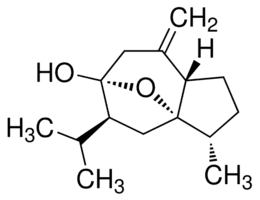
(−)-Curcumol
C15H24O2
Cell Biology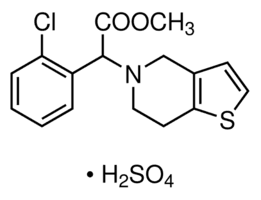
(±) Clopidogrel hydrogensulfate
Cell Biology
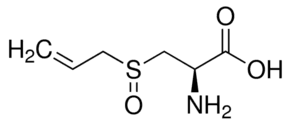
(±)-L-Alliin
C6H11NO3S
Cell Biology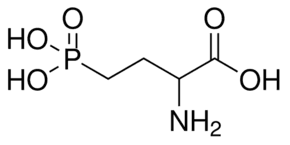
(±)-2-Amino-4-phosphonobutyric acid
C4H10NO5P
Cell Biology
(±)-2-Methylarachidonoyl-2′-fluoroethylamide
C23H38NOF
Cell Biology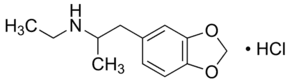
(±)-3,4-Methylenedioxy-N-ethylamphetamine hydrochloride
Cell Biology
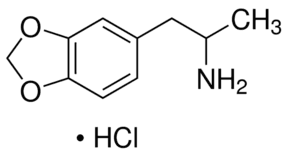
(±)-3,4-Methylenedioxyamphetamine hydrochloride
Cell Biology
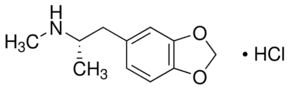
(±)-3,4-Methylenedioxymethamphetamine hydrochloride
Cell Biology
▶ Explore more

Bis(cyclopentadienyl)cobalt(III) hexafluorophosphate
C10H10CoF6P
Catalysis & Inorganic
1-(4-Chlorophenyl)biguanide hydrochloride
ClC6H4NHC(NH)NHC(NH)NH2 · HCl
Chemical Synthesis
Bis(cyclopentadienyl)dimethylzirconium(IV)
Catalysis & Inorganic

1-(4-Chlorophenyl)ethanol
ClC6H4CH(CH3)OH
Chemical Synthesis