
Prussian blue soluble
Prussian blue soluble (CAS: 12240-15-2), with the empirical formula C6Fe2KN6 · xH2O, is an inorganic pigment rather than a dye. It is crucial for demonstrating non-hemoglobin cytoplasmic iron and hemosiderin in histological and cell biology applications. It is also employed in combination with iron particles for tracking transplanted cells like mesenchymal stem cells and differentiating cell populations based on division rates.
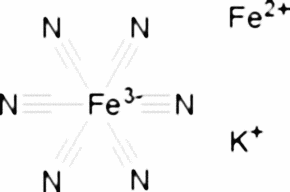
Histological Staining
Prussian blue is used for the in situ demonstration of non-hemoglobin, cytoplasmic iron and hemosiderin. It follows established procedures by Sundberg and Broman, and Highman.
Cell Tracking
In conjunction with iron oxide nanoparticles, Prussian blue can be utilised for tracking transplanted cells, such as mesenchymal stem cells, within biological systems.
Cell Proliferation Studies
This compound can differentiate between slow and fast cycling cells by monitoring the dilution of iron oxide particle labelling through cell division.
| Molecular weight | 306.89 (anhydrous basis) |
|---|---|
| Empirical formula | C6Fe2KN6 · xH2O |
| Application | Prussian blue is not a dye but an inorganic pigment containing ferric ferrocyanide. Procedures have been published1 for the demonstration of non-hemoglobin, cytoplasmic iron, according to Sundberg and Broman,2 and for the demonstration of hemosiderin according to Highman3 and from Lille and Fullmer4 based the work originally done by Perle in 1867.5 Prussian Blue is formed in situ in both of these methods. In combination with iron particles such as superparamagnetic iron oxide nanoparticles, Prussian blue may be used for tracking of transplanted cells such as mesenchymal stem cells.6,7 Prussian blue may also be used to differentiate slow versus fast cycling cells by methods that monitor iron oxide particle labeling dilution thru cell division.8 |
| Protective equipment | Eyeshields, Gloves, type N95 (US), type P1 (EN143) respirator filter |
|---|---|
| Water hazard class (WGK, DE) | 3 |
Hazard information is provided for guidance. Always consult the product Safety Data Sheet (SDS), available on request, before handling.
Documentation
Every batch ships with a Certificate of Analysis covering assay, identity and purity; the grade is confirmed against your enquiry. Safety Data Sheets and technical data sheets are available on request.
Supply & logistics
Samples for technical evaluation; bulk MOQ by grade and packaging. In-stock material ships in 7–10 working days, worldwide, with full export documentation.
What is Prussian blue soluble used for?
+
Prussian blue soluble (CAS: 12240-15-2) is used for demonstrating non-hemoglobin, cytoplasmic iron and hemosiderin in cell biology and histology. It is also used with iron particles for tracking transplanted cells and differentiating cell cycling rates.
What is the CAS number and formula for Prussian blue soluble?
+
The CAS number for Prussian blue soluble is 12240-15-2, and its empirical formula is C6Fe2KN6 · xH2O.
What grade and purity does Tech Serve Solutions supply?
+
Tech Serve Solutions supplies Prussian blue soluble, CAS 12240-15-2, with a molecular weight of 306.89 (anhydrous basis). We do not represent this product as USP, BP, EP, or any other pharmacopoeia standard.
What are the safety and handling requirements for Prussian blue soluble?
+
When handling Prussian blue soluble (CAS: 12240-15-2), appropriate personal protective equipment including eyeshields, gloves, and a P1 (EN143) or N95 respirator filter is recommended. The WGK Germany classification is 3.
How is Prussian blue soluble packed, shipped, and exported?
+
Tech Serve Solutions ensures products are carefully packed for safe transit and is experienced in exporting chemicals globally.
How can I request a sample or quote for Prussian blue soluble?
+
To request a sample or a quote for Prussian blue soluble (CAS: 12240-15-2), please contact our sales team through the website or by phone.
▶ Related products
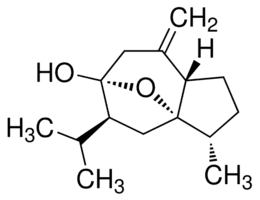
(−)-Curcumol
C15H24O2
Cell Biology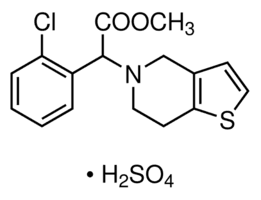
(±) Clopidogrel hydrogensulfate
Cell Biology
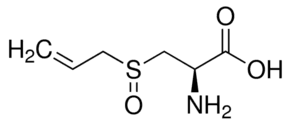
(±)-L-Alliin
C6H11NO3S
Cell Biology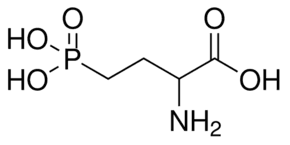
(±)-2-Amino-4-phosphonobutyric acid
C4H10NO5P
Cell Biology
(±)-2-Methylarachidonoyl-2′-fluoroethylamide
C23H38NOF
Cell Biology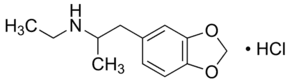
(±)-3,4-Methylenedioxy-N-ethylamphetamine hydrochloride
Cell Biology
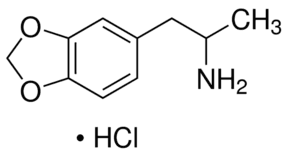
(±)-3,4-Methylenedioxyamphetamine hydrochloride
Cell Biology
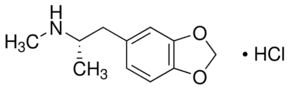
(±)-3,4-Methylenedioxymethamphetamine hydrochloride
Cell Biology
▶ Explore more

Bis(cyclopentadienyl)cobalt(III) hexafluorophosphate
C10H10CoF6P
Catalysis & Inorganic
1-(4-Chlorophenyl)biguanide hydrochloride
ClC6H4NHC(NH)NHC(NH)NH2 · HCl
Chemical Synthesis
Bis(cyclopentadienyl)dimethylzirconium(IV)
Catalysis & Inorganic

1-(4-Chlorophenyl)ethanol
ClC6H4CH(CH3)OH
Chemical Synthesis