
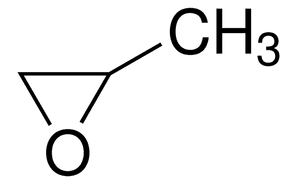
(±)-Propylene oxide
(±)-Propylene oxide (CAS: 75-56-9; C3H6O) is a colourless, volatile liquid with a sweetish odour. It is a highly reactive epoxide used primarily as a chemical intermediate in the synthesis of various organic compounds. Its high reactivity makes it a valuable building block for polymers, polyols, and surfactants. This highly flammable liquid requires careful handling due to its hazardous nature, and is available in SAJ special grade.
- IUPAC
- (±)-Methyloxirane,1,2-Epoxypropane
- Synonyms
- (±)-Methyloxirane1,2-Epoxypropane
Polyether Polyols Production
Serves as a key monomer in the production of polyether polyols, essential components for polyurethanes used in foams, coatings, and elastomers.
Surfactant Synthesis
Reacts with alcohols to form propylene glycol ethers, which are widely used as solvents and surfactants in detergents, cleaners, and coatings.
Organic Synthesis Intermediate
Acts as a versatile building block in organic chemistry for introducing the hydroxypropyl group into molecules, facilitating the synthesis of pharmaceuticals and fine chemicals.
Propylene Glycol Production
Used in the synthesis of propylene glycol, a compound with applications in antifreeze, de-icing fluids, and as a solvent in food and pharmaceutical industries.
| Molecular weight | 58.08 |
|---|---|
| Empirical formula | C3H6O |
| Assay | ≥99.0% (GC) |
| Grade | SAJ special grade |
| Boiling point | 34 °C(lit.) |
| Density | 0.83 g/mL at 25 °C(lit.) |
| Refractive index | n20/D 1.366(lit.)n20/D 1.366 |
| Melting point | −112 °C(lit.) |
| Vapour pressure | 29.43 psi (55 °C)8.59 psi (20 °C) |
| Vapour density | 2 (vs air) |
| Autoignition temp | 1378 °F |
| Impurities tested | ≤0.1% water |


Hazard statements
- H224Extremely flammable liquid and vapour
- H302Harmful if swallowed
- H315Causes skin irritation
- H319Causes serious eye irritation
- H335May cause respiratory irritation
- H340May cause genetic defects
- H350May cause cancer
Precautionary statements
- P201Obtain special instructions before use
- P210Keep away from heat, sparks and open flames. No smoking
- P261Avoid breathing dust, fume, gas or vapours
- P280Wear protective gloves, clothing and eye/face protection
- P305IF IN EYES
- P308IF exposed or concerned
| Protective equipment | Faceshields, full-face respirator (US), Gloves, Goggles, multi-purpose combination respirator cartridge (US) |
|---|---|
| Flash point | -37 °C / -34.6 °F |
| Transport (UN / ADR) | UN 1280 3 / PGI |
| Water hazard class (WGK, DE) | 3 |
| Hazard codes (EU) | F+,T |
| Risk statements (R) | 45-46-12-20/21/22-36/37/38 |
| Safety statements (S) | 53-45 |
Hazard information is provided for guidance. Always consult the product Safety Data Sheet (SDS), available on request, before handling.
| Expl Lim | 37 % |
|---|---|
| Availability | available only in Japan |
| Evapn Residue | ≤0.005% |
Documentation
Every batch ships with a Certificate of Analysis covering assay, identity and purity; the grade is confirmed against your enquiry. Safety Data Sheets and technical data sheets are available on request.
Supply & logistics
Samples for technical evaluation; bulk MOQ by grade and packaging. In-stock material ships in 7–10 working days, worldwide, with full export documentation.
What is (±)-Propylene oxide used for?
+
It is primarily used as a chemical intermediate in the synthesis of polyether polyols for polyurethanes, propylene glycol ethers, surfactants, and as a versatile building block in organic synthesis.
What is the CAS number and chemical formula for (±)-Propylene oxide?
+
The CAS number is 75-56-9 and the chemical formula is C3H6O.
What grade and purity does Tech Serve Solutions supply?
+
Tech Serve Solutions supplies (±)-Propylene oxide in SAJ special grade with an assay of ≥99.0% (GC) and ≤0.1% water.
What are the main hazards associated with (±)-Propylene oxide?
+
(±)-Propylene oxide is extremely flammable (H224) and harmful if swallowed, inhaled, or in contact with skin (H302 + H312 + H332). It causes skin irritation (H315), serious eye irritation (H319), and may cause respiratory irritation (H335). It is also suspected of causing genetic defects (H340) and may cause cancer (H350).
How is (±)-Propylene oxide packed, shipped, and exported?
+
Information on specific packing, shipping, and export details is available upon request. Please contact TSS for further details.
How can I request a quote or sample for (±)-Propylene oxide?
+
You can request a quote or sample by contacting our sales team through the website or by calling us directly.
▶ Related products
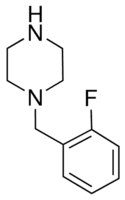
1-(2-Fluorobenzyl)piperazine
C11H15FN2
Chemical Synthesis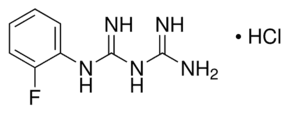
1-(2-Fluorophenyl)biguanide hydrochloride
Chemical Synthesis
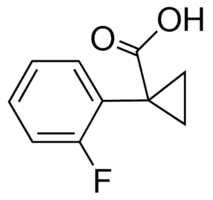
1-(2-Fluorophenyl)cyclopropanecarboxylic acid
C10H9FO2
Chemical Synthesis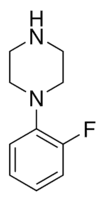
1-(2-Fluorophenyl)piperazine
C10H13FN2
Chemical Synthesis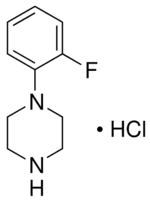
1-(2-Fluorophenyl)piperazine monohydrochloride
C10H13FN2 · HCl
Chemical Synthesis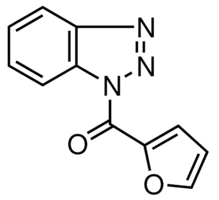
1-(2-Furoyl)-1H-benzotriazole
C11H7N3O2
Chemical Synthesis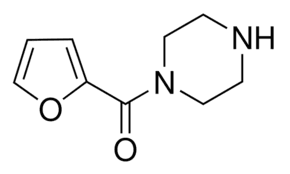
1-(2-Furoyl)piperazine
C9H12N2O2
Chemical Synthesis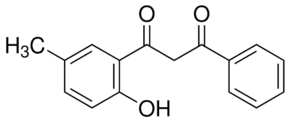
1-(2-Hydroxy-5-methylphenyl)-3-phenyl-1,3-propanedione
Chemical Synthesis
▶ Explore more

Bis(cyclopentadienyl)cobalt(III) hexafluorophosphate
C10H10CoF6P
Catalysis & Inorganic
1-(4-Chlorophenyl)biguanide hydrochloride
ClC6H4NHC(NH)NHC(NH)NH2 · HCl
Chemical Synthesis
Bis(cyclopentadienyl)dimethylzirconium(IV)
Catalysis & Inorganic

1-(4-Chlorophenyl)ethanol
ClC6H4CH(CH3)OH
Chemical Synthesis