Praseodymium(III) sulfate hydrate
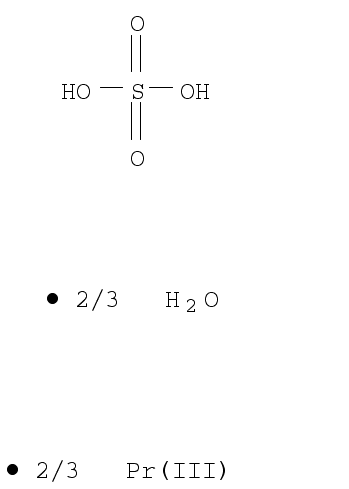
Praseodymium(III) sulfate hydrate (CAS: 20814-03-3), with the formula Pr2(SO4)3·xH2O, is a praseodymium salt supplied by Tech Serve Solutions. This compound, with an anhydrous molar mass of 570.00 g/mol, is a key chemical in materials science and research applications. It is known for its characteristic properties as a rare earth sulfate, finding use in specialised industrial processes and laboratory investigations.
Materials Science
Utilised in the development and investigation of new materials due to the unique properties of praseodymium. This includes applications in ceramics and specialised glass formulations.
Laboratory Reagent
Serves as a research essential in chemical laboratories for synthesis, analysis, and experimental studies involving rare earth elements.
Catalysis Research
Investigated for potential catalytic activity in various chemical transformations, contributing to the advancement of industrial chemical processes.
| Molecular weight | 570.00 (anhydrous basis) |
|---|---|
| Linear formula | Pr2(SO4)3·xH2O |
| Assay | 99.9% |

Hazard statements
- H315Causes skin irritation
- H319Causes serious eye irritation
- H335May cause respiratory irritation
Precautionary statements
- P261Avoid breathing dust, fume, gas or vapours
- P305IF IN EYES
| Protective equipment | dust mask type N95 (US), Eyeshields, Gloves |
|---|---|
| Water hazard class (WGK, DE) | 3 |
| Hazard codes (EU) | Xi |
| Risk statements (R) | 36/37/38 |
| Safety statements (S) | 26-36 |
Hazard information is provided for guidance. Always consult the product Safety Data Sheet (SDS), available on request, before handling.
Documentation
Every batch ships with a Certificate of Analysis covering assay, identity and purity; the grade is confirmed against your enquiry. Safety Data Sheets and technical data sheets are available on request.
Supply & logistics
Samples for technical evaluation; bulk MOQ by grade and packaging. In-stock material ships in 7–10 working days, worldwide, with full export documentation.
What is Praseodymium(III) sulfate hydrate used for?
+
Praseodymium(III) sulfate hydrate is used in materials science, as a laboratory reagent for research, and is investigated for potential applications in catalysis.
What is the CAS number and chemical formula for Praseodymium(III) sulfate hydrate?
+
The CAS number is 20814-03-3, and the chemical formula is Pr2(SO4)3·xH2O.
What grade and purity does Tech Serve Solutions supply?
+
Tech Serve Solutions supplies Praseodymium(III) sulfate hydrate with an assay of 99.9%. This is supplied as a technical/research grade product and is not represented as USP, BP, or EP grade.
How should Praseodymium(III) sulfate hydrate be handled safely?
+
Praseodymium(III) sulfate hydrate is a Warning substance that causes skin irritation (H315), serious eye irritation (H319), and may cause respiratory irritation (H335). Use a dust mask type N95, wear eyeshields and gloves. Avoid breathing dust. In case of contact with eyes, rinse cautiously with water for several minutes.
Is Praseodymium(III) sulfate hydrate shipped internationally?
+
Yes, Tech Serve Solutions is a specialist global supplier and exporter of fine chemicals, including Praseodymium(III) sulfate hydrate, adhering to all relevant shipping regulations.
How can I request a sample or quote for Praseodymium(III) sulfate hydrate?
+
To request a sample or a quotation, please contact our sales team via the website or by telephone, providing the product name and CAS number.
▶ Related products
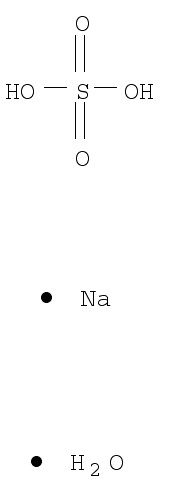
Sodium bisulfate monohydrate
Salts
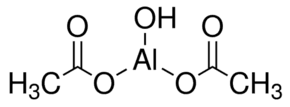
Aluminum acetate, basic
Salts
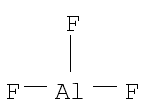
Aluminum fluoride
AlF3
Salts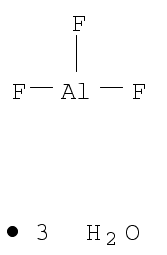
Aluminum fluoride trihydrate
AlF3·3H2O
Salts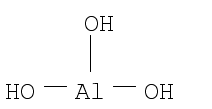
Aluminum hydroxide
Al(OH)3
Salts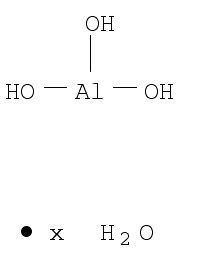
Aluminum hydroxide hydrate
Al(OH)3 · xH2O
Salts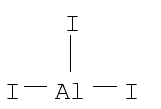
Aluminum iodide
AlI3
Salts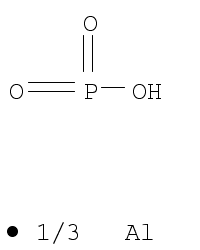
Aluminum metaphosphate
Al(PO3)3
Salts