
Potassium chromate
Potassium chromate (CAS: 7789-00-6), with the chemical formula K2CrO4 and a molecular weight of 194.19 g/mol, is a yellow crystalline solid. It serves as a key inorganic salt and a valuable reagent in various chemical synthesis applications. Known for its strong oxidizing properties, it is an essential chemical for laboratory research and industrial processes requiring precise chemical reactions and analyses.

Oxidising Agent in Organic Synthesis
Potassium chromate acts as a potent oxidising agent in organic chemistry. It is employed in specific synthetic pathways to convert alcohols and other functional groups into desired products, requiring careful control due to its reactivity.
Analytical Reagent
In analytical chemistry, potassium chromate is utilized as an indicator in the Mohr titration for determining chloride ion concentration. Its distinct colour change signals the endpoint of the reaction.
Dye and Pigment Production
Historically, potassium chromate has been used in the production of certain dyes and pigments. Its chromate ion contributes to vibrant colours, though its use in this area may be restricted due to environmental concerns.
Corrosion Inhibition
Potassium chromate can be incorporated into formulations designed for corrosion inhibition, particularly for metal surfaces. It forms a protective layer that helps to prevent degradation.
| Molecular weight | 194.19 |
|---|---|
| Linear formula | K2CrO4 |
| Assay | ≥99.0% |
| Grade | puriss. |
| Vapour density | 6.7 (vs air) |
| Melting point | 971 °C(lit.) |


Hazard statements
- H315Causes skin irritation
- H317May cause an allergic skin reaction
- H319Causes serious eye irritation
- H335May cause respiratory irritation
- H340May cause genetic defects
- H350I
- H410Very toxic to aquatic life with long-lasting effects
Precautionary statements
- P201Obtain special instructions before use
- P261Avoid breathing dust, fume, gas or vapours
- P273Avoid release to the environment
- P280Wear protective gloves, clothing and eye/face protection
- P305IF IN EYES
- P308IF exposed or concerned
| Protective equipment | dust mask type N95 (US), Eyeshields, Faceshields, Gloves, type P2 (EN 143) respirator cartridges |
|---|---|
| Transport (UN / ADR) | UN 3288 6.1/PG 3 |
| Water hazard class (WGK, DE) | 3 |
| Hazard codes (EU) | T,N |
| Risk statements (R) | 49-46-36/37/38-43-50/53 |
| Safety statements (S) | 53-45-60-61 |
Hazard information is provided for guidance. Always consult the product Safety Data Sheet (SDS), available on request, before handling.
Documentation
Every batch ships with a Certificate of Analysis covering assay, identity and purity; the grade is confirmed against your enquiry. Safety Data Sheets and technical data sheets are available on request.
Supply & logistics
Samples for technical evaluation; bulk MOQ by grade and packaging. In-stock material ships in 7–10 working days, worldwide, with full export documentation.
What is Potassium chromate used for?
+
Potassium chromate is primarily used as an oxidising agent in chemical synthesis, an analytical reagent (e.g., in titrations), and historically in dye production and corrosion inhibition.
What are the CAS number and chemical formula for Potassium chromate?
+
The CAS number for Potassium chromate is 7789-00-6, and its chemical formula is K2CrO4.
What grade and purity does Tech Serve Solutions supply for Potassium chromate?
+
Tech Serve Solutions supplies Potassium chromate in a puriss. grade with an assay of ≥99.0%. We do not represent this product as USP, BP, or EP grade.
What are the main safety hazards associated with Potassium chromate?
+
Potassium chromate presents significant hazards, indicated by Danger signal word and H-statements including H315 (skin irritation), H317 (allergic skin reaction), H319 (serious eye irritation), H335 (respiratory irritation), H340 (genetic defects), H350i (suspected of causing cancer by inhalation), and H410 (very toxic to aquatic life with long-lasting effects).
How is Potassium chromate handled and stored?
+
Handling requires personal protective equipment including a dust mask (type N95), eyeshields, face shield, and gloves. Respiratory protection with P2 cartridges is recommended. Store in a cool, dry, well-ventilated area, away from incompatible materials, and take precautions against static discharge.
Can I request a sample or quote for Potassium chromate?
+
Yes, to request a sample or a quote for Potassium chromate, please contact our sales team through the website or by phone, providing your specific requirements.
Is Potassium chromate a controlled substance?
+
While the provided data does not explicitly list Potassium chromate as a controlled substance in all jurisdictions, its hazard classification (including H340 and H350i) necessitates careful handling, regulatory compliance, and adherence to export controls.
▶ Related products
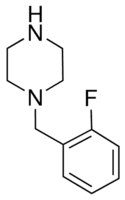
1-(2-Fluorobenzyl)piperazine
C11H15FN2
Chemical Synthesis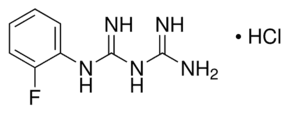
1-(2-Fluorophenyl)biguanide hydrochloride
Chemical Synthesis
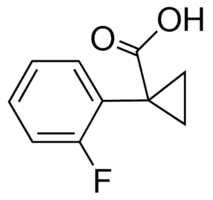
1-(2-Fluorophenyl)cyclopropanecarboxylic acid
C10H9FO2
Chemical Synthesis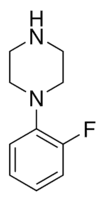
1-(2-Fluorophenyl)piperazine
C10H13FN2
Chemical Synthesis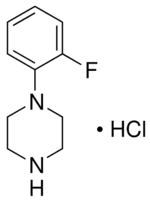
1-(2-Fluorophenyl)piperazine monohydrochloride
C10H13FN2 · HCl
Chemical Synthesis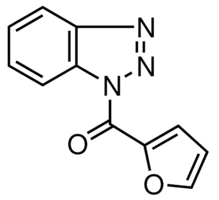
1-(2-Furoyl)-1H-benzotriazole
C11H7N3O2
Chemical Synthesis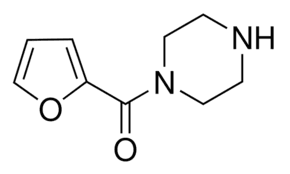
1-(2-Furoyl)piperazine
C9H12N2O2
Chemical Synthesis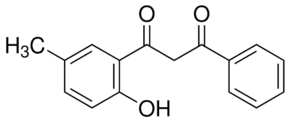
1-(2-Hydroxy-5-methylphenyl)-3-phenyl-1,3-propanedione
Chemical Synthesis
▶ Explore more

Bis(cyclopentadienyl)cobalt(III) hexafluorophosphate
C10H10CoF6P
Catalysis & Inorganic
1-(4-Chlorophenyl)biguanide hydrochloride
ClC6H4NHC(NH)NHC(NH)NH2 · HCl
Chemical Synthesis
Bis(cyclopentadienyl)dimethylzirconium(IV)
Catalysis & Inorganic

1-(4-Chlorophenyl)ethanol
ClC6H4CH(CH3)OH
Chemical Synthesis