
Poly(vinylbenzyl chloride), 60/40 mixture of 3- and 4-isomers
Poly(vinylbenzyl chloride), 60/40 mixture of 3- and 4-isomers (CAS: 121961-20-4) is a hydrophobic polymer supplied by Tech Serve Solutions. With an average molecular weight of approximately 55,000 g/mol (Mn) and 100,000 g/mol (Mw), this styrene derivative features reactive benzyl chloride groups along its polymer chain. These functional groups make it a versatile building block for further chemical modification and incorporation into advanced materials, particularly in research and development settings.
- Synonyms
- [CH2CH(C6H4CH2Cl)]nPoly(vinylbenzyl chloride), 60/40 mixture of 3- and 4-isomers
![Poly(vinylbenzyl chloride), 60/40 mixture of 3- and 4-isomers ([CH2CH(C6H4CH2Cl)]n) — chemical structure, CAS 121961-20-4; Materials Science, fine chemical supplied by Tech Serve Solutions](/_next/image?url=https%3A%2F%2Fpub-f4d920c906024441a773a96f7098e551.r2.dev%2Fimages%2Fproducts%2F121961-20-4.png&w=3840&q=75)
Polymer Synthesis and Modification
Utilised as a monomer or comonomer in polymerisation processes to introduce hydrophobic character and reactive sites. The benzyl chloride groups allow for post-polymerisation functionalisation, enabling the creation of tailored polymer architectures.
Materials Science Research
Serves as a precursor for developing novel materials with specific surface properties or functionalities. Its hydrophobic nature can be advantageous in applications requiring water repellency or specific interactions with non-polar substances.
Crosslinking Agent
The reactive chloride groups can participate in crosslinking reactions, leading to the formation of polymer networks with enhanced mechanical strength and stability. This is useful in creating robust polymeric materials.
Intermediate for Functional Polymers
Acts as a key intermediate for synthesising more complex polymers, such as ion-exchange resins or polymers with specific binding capabilities, by reacting the benzyl chloride moiety with nucleophiles.
| Linear formula | [CH2CH(C6H4CH2Cl)]n |
|---|---|
| Form | powder |

Hazard statements
- H315Causes skin irritation
- H319Causes serious eye irritation
- H335May cause respiratory irritation
Precautionary statements
- P261Avoid breathing dust, fume, gas or vapours
- P305IF IN EYES
| Protective equipment | dust mask type N95 (US), Eyeshields, Gloves |
|---|---|
| Water hazard class (WGK, DE) | 3 |
| Hazard codes (EU) | Xi |
| Risk statements (R) | 36/37/38 |
| Safety statements (S) | 26-36 |
Hazard information is provided for guidance. Always consult the product Safety Data Sheet (SDS), available on request, before handling.
| Mol Wt | average Mn ~55,000average Mw ~100,000 by GPC/MALLS |
|---|
Documentation
Every batch ships with a Certificate of Analysis covering assay, identity and purity; the grade is confirmed against your enquiry. Safety Data Sheets and technical data sheets are available on request.
Supply & logistics
Samples for technical evaluation; bulk MOQ by grade and packaging. In-stock material ships in 7–10 working days, worldwide, with full export documentation.
What is Poly(vinylbenzyl chloride), 60/40 mixture of 3- and 4-isomers used for?
+
This polymer is primarily used in polymer synthesis and modification, materials science research, as a crosslinking agent, and as an intermediate for creating functional polymers.
What is the CAS number and linear formula for this product?
+
The CAS number is 121961-20-4 and the linear formula is [CH2CH(C6H4CH2Cl)]n.
What grade and purity does Tech Serve Solutions supply?
+
Tech Serve Solutions supplies this chemical with an average Mn of ~55,000 and Mw of ~100,000 by GPC/MALLS. It is supplied as a powder. This is a research grade material and TSS does not represent it as USP/BP/EP.
What are the main safety considerations when handling this chemical?
+
This chemical is classified as a Warning. It causes skin irritation (H315), serious eye irritation (H319), and may cause respiratory irritation (H335). Appropriate personal protective equipment, including a dust mask (N95 type), eyeshields, and gloves, must be used. Handle in a well-ventilated area.
How is this product typically packed and exported?
+
This product is supplied as a powder. Specific packaging details for export are available upon request, ensuring compliance with international shipping regulations.
How can I request a sample or a quote for this chemical?
+
To request a sample or a quote, please contact our sales team via the website or direct email, providing your specific requirements and shipping details.
▶ Related products
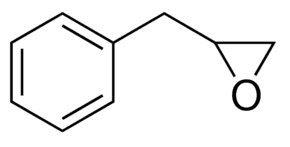
(2,3-Epoxypropyl)benzene
Polymer Science
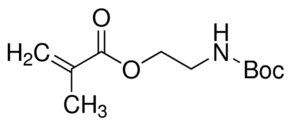
(2-Boc-amino)ethyl methacrylate
C11H19NO4
Polymer Science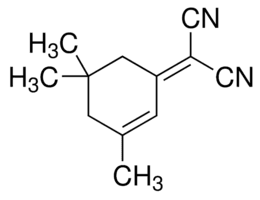
(3,5,5-Trimethylcyclohex-2-enylidene)malononitrile
Polymer Science
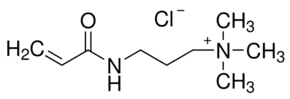
(3-Acrylamidopropyl)trimethylammonium chloride solution
Polymer Science
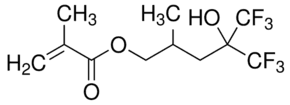
1,1,1-Trifluoro-2-(trifluoromethyl)-2-hydroxy-4-methyl-5-pentyl methacrylate
Polymer Science
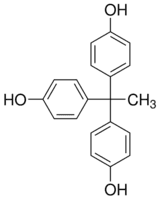
1,1,1-Tris(4-hydroxyphenyl)ethane
Polymer Science

1,1-Cyclohexanediacetic acid
Polymer Science

1,12-Diisocyanatododecane
Polymer Science
▶ Explore more

Bis(cyclopentadienyl)cobalt(III) hexafluorophosphate
C10H10CoF6P
Catalysis & Inorganic
1-(4-Chlorophenyl)biguanide hydrochloride
ClC6H4NHC(NH)NHC(NH)NH2 · HCl
Chemical Synthesis
Bis(cyclopentadienyl)dimethylzirconium(IV)
Catalysis & Inorganic

1-(4-Chlorophenyl)ethanol
ClC6H4CH(CH3)OH
Chemical Synthesis