
Poly(vinyl chloride)
Poly(vinyl chloride) (PVC), CAS 9002-86-2, with a molar mass of approximately 48000 g/mol, is a versatile hydrophobic polymer. Its unique properties make it valuable across various industries. PVC is widely utilized in manufacturing applications, including construction materials, electrical insulation, and medical devices. It also finds use as a separation medium in LPLC and chromatography due to its adsorbent resin characteristics.
- IUPAC
- PVC

Adsorbent Resins
Poly(vinyl chloride) functions as an effective adsorbent resin. This property allows it to be used in separation processes, particularly in chromatography.
Chromatographic Media
As a hydrophobic polymer, PVC is employed as a separation medium in LPLC, TLC, and paper chromatography. It is suitable for analytical and chromatographic applications requiring specific separation characteristics.
Polymer Science Research
This polymer is a fundamental material in polymer science research. Its well-understood properties and diverse applications make it a common subject for study and material development.
General Manufacturing
Poly(vinyl chloride) is a widely used material in general manufacturing. Its durability and cost-effectiveness lend themselves to applications ranging from construction to consumer goods.
| Linear formula | (CH2CHCl)n |
|---|---|
| Density | 1.4 g/mL at 25 °C(lit.) |

Hazard statements
- H315Causes skin irritation
- H319Causes serious eye irritation
- H335May cause respiratory irritation
Precautionary statements
- P261Avoid breathing dust, fume, gas or vapours
- P305IF IN EYES
| Protective equipment | dust mask type N95 (US), Eyeshields, Gloves |
|---|---|
| Water hazard class (WGK, DE) | 3 |
| Hazard codes (EU) | Xi |
| Risk statements (R) | 36/37/38 |
| Safety statements (S) | 26-36/37-61 |
Hazard information is provided for guidance. Always consult the product Safety Data Sheet (SDS), available on request, before handling.
| Mol Wt | mol wt ~48000 |
|---|
Documentation
Every batch ships with a Certificate of Analysis covering assay, identity and purity; the grade is confirmed against your enquiry. Safety Data Sheets and technical data sheets are available on request.
Supply & logistics
Samples for technical evaluation; bulk MOQ by grade and packaging. In-stock material ships in 7–10 working days, worldwide, with full export documentation.
What is Poly(vinyl chloride) used for?
+
Poly(vinyl chloride) is used as an adsorbent resin, a separation medium in LPLC, TLC, and paper chromatography, and in various general manufacturing applications due to its hydrophobic polymer nature.
What are the CAS number and formula for Poly(vinyl chloride)?
+
The CAS number for Poly(vinyl chloride) is 9002-86-2. Its linear formula is (CH2CHCl)n.
What grade and purity does Tech Serve Solutions supply for Poly(vinyl chloride)?
+
Tech Serve Solutions supplies Poly(vinyl chloride) with a molar mass of approximately 48000 g/mol. We do not represent this product as USP, BP, or EP grade; it is typically considered a technical or research grade.
What are the safety and handling precautions for Poly(vinyl chloride)?
+
Poly(vinyl chloride) is a Warning substance, causing skin irritation (H315), serious eye irritation (H319), and respiratory irritation (H335). It requires the use of a dust mask type N95 (US), eyeshields, and gloves. Handle in a well-ventilated area (P261) and rinse eyes thoroughly if contact occurs (P305 + P351 + P338).
How is Poly(vinyl chloride) packed, shipped, and exported?
+
Poly(vinyl chloride) is carefully packed to maintain its integrity during transit. Tech Serve Solutions, a global supplier since 1998, handles the export of this chemical, adhering to international shipping regulations.
How can I request a sample or quote for Poly(vinyl chloride)?
+
To request a sample or a quote for Poly(vinyl chloride), please contact our sales team through the website or by phone. Specify the quantity and any particular requirements you may have.
▶ Related products
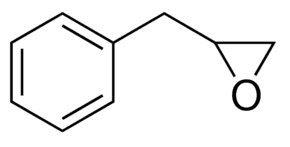
(2,3-Epoxypropyl)benzene
Polymer Science
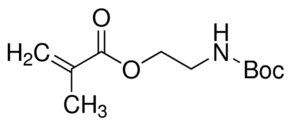
(2-Boc-amino)ethyl methacrylate
C11H19NO4
Polymer Science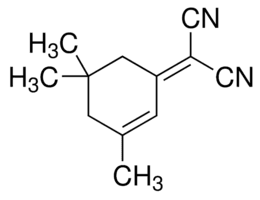
(3,5,5-Trimethylcyclohex-2-enylidene)malononitrile
Polymer Science
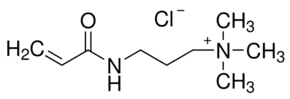
(3-Acrylamidopropyl)trimethylammonium chloride solution
Polymer Science
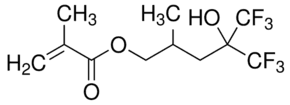
1,1,1-Trifluoro-2-(trifluoromethyl)-2-hydroxy-4-methyl-5-pentyl methacrylate
Polymer Science
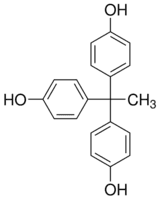
1,1,1-Tris(4-hydroxyphenyl)ethane
Polymer Science
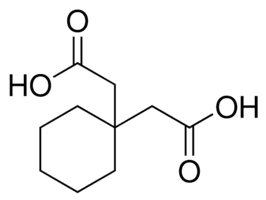
1,1-Cyclohexanediacetic acid
Polymer Science

1,12-Diisocyanatododecane
Polymer Science
▶ Explore more
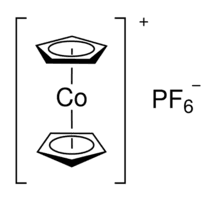
Bis(cyclopentadienyl)cobalt(III) hexafluorophosphate
C10H10CoF6P
Catalysis & Inorganic
1-(4-Chlorophenyl)biguanide hydrochloride
ClC6H4NHC(NH)NHC(NH)NH2 · HCl
Chemical Synthesis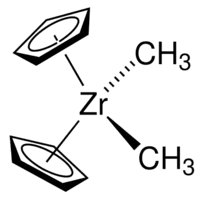
Bis(cyclopentadienyl)dimethylzirconium(IV)
Catalysis & Inorganic
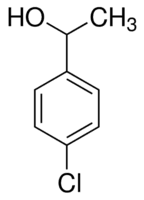
1-(4-Chlorophenyl)ethanol
ClC6H4CH(CH3)OH
Chemical Synthesis