
Poly(tert-butyl methacrylate)
Poly(tert-butyl methacrylate) (CAS 25189-00-8) is a hydrophobic polymer with the linear formula (C8H14O2)n and an average molecular weight of approximately 170,000. This methacrylate polymer is known for its utility as a polymeric gate dielectric material and in micro/nanoelectronics. It exhibits a glass transition temperature of 107 °C, making it suitable for various material science applications where thermal stability is required.
- Synonyms
- Poly(tert-butyl methacrylate)

Flexible Organic Transistors
Poly(tert-butyl methacrylate) serves as a crucial component in the development of flexible organic transistors. Its properties as a hydrophobic polymer contribute to the stability and performance of these electronic devices.
Bioelectronics
In the field of bioelectronics, this polymer finds application due to its material characteristics, enabling the fabrication of advanced components for interfacing with biological systems.
Material Science Research
As a versatile methacrylate polymer, it is employed in material science research for developing novel materials with specific hydrophobic and thermal properties.
Micro/Nanoelectronics Fabrication
The polymer is utilised in micro and nanoelectronic fabrication processes, particularly where polymeric gate dielectric materials are required for device construction.
| Linear formula | (C8H14O2)n |
|---|---|
| Form | crystalline |
| Density | 1.022 g/mL at 25 °C(lit.) |
| Refractive index | n20/D 1.4638(lit.) |
| Solubility | : soluble8.65 (solubility parameter) |
| Protective equipment | Eyeshields, Gloves, type N95 (US), type P1 (EN143) respirator filter |
|---|---|
| Water hazard class (WGK, DE) | 3 |
Hazard information is provided for guidance. Always consult the product Safety Data Sheet (SDS), available on request, before handling.
| Mol Wt | average Mw ~170,000 |
|---|---|
| Transition Temp | Tg 107 °C |
Documentation
Every batch ships with a Certificate of Analysis covering assay, identity and purity; the grade is confirmed against your enquiry. Safety Data Sheets and technical data sheets are available on request.
Supply & logistics
Samples for technical evaluation; bulk MOQ by grade and packaging. In-stock material ships in 7–10 working days, worldwide, with full export documentation.
What is Poly(tert-butyl methacrylate) used for?
+
Poly(tert-butyl methacrylate) is used in applications such as flexible organic transistors, bioelectronics, micro/nanoelectronics, and material science research due to its hydrophobic nature and suitability as a gate dielectric material.
What are the CAS number and formula for Poly(tert-butyl methacrylate)?
+
The CAS number for Poly(tert-butyl methacrylate) is 25189-00-8, and its linear formula is (C8H14O2)n.
What grade and purity does Tech Serve Solutions supply for Poly(tert-butyl methacrylate)?
+
Tech Serve Solutions supplies Poly(tert-butyl methacrylate) with an average molecular weight of ~170,000. We do not represent this product as USP, BP, or EP grade; it is suitable for research and technical applications. Please contact us for specific purity details.
What are the safety precautions for handling Poly(tert-butyl methacrylate)?
+
When handling Poly(tert-butyl methacrylate), it is essential to use appropriate personal protective equipment, including eyeshields and gloves. A type N95 (US) or type P1 (EN143) respirator filter is recommended. The product has a WGK Germany rating of 3.
How is Poly(tert-butyl methacrylate) packed, shipped, and exported?
+
Tech Serve Solutions packs and ships Poly(tert-butyl methacrylate) according to industry best practices and international regulations for chemical export, ensuring product integrity and safety during transit.
How can I request a sample or quote for Poly(tert-butyl methacrylate)?
+
To request a sample or a quote for Poly(tert-butyl methacrylate), please visit our website or contact our sales team directly with your specific requirements.
▶ Related products
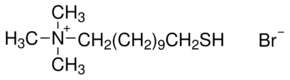
(11-Mercaptoundecyl)-N,N,N-trimethylammonium bromide
Micro / NanoElectronics

(11-Mercaptoundecyl)hexa(ethylene glycol)
C23H48O7S
Micro / NanoElectronics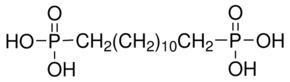
(12-Phosphonododecyl)phosphonic acid
C12H28O6P2
Micro / NanoElectronics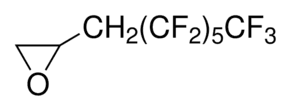
(2,2,3,3,4,4,5,5,6,6,7,7,7-Tridecafluoroheptyl)oxirane
C9H5F13O
Micro / NanoElectronics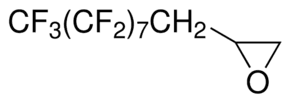
(2,2,3,3,4,4,5,5,6,6,7,7,8,8,9,9,9-Heptadecafluorononyl)oxirane
C11H5F17O
Micro / NanoElectronics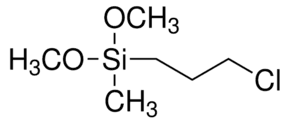
(3-Chloropropyl)dimethoxymethylsilane
Cl(CH2)3Si(OCH3)2CH3
Micro / NanoElectronics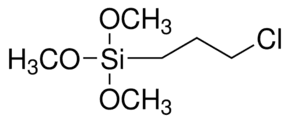
(3-Chloropropyl)trimethoxysilane
Cl(CH2)3Si(OCH3)3
Micro / NanoElectronics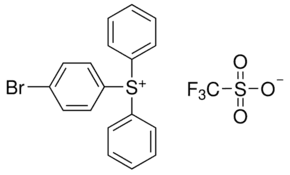
(4-Bromophenyl)diphenylsulfonium triflate
C19H14BrF3O3S2
Micro / NanoElectronics▶ Explore more

Bis(cyclopentadienyl)cobalt(III) hexafluorophosphate
C10H10CoF6P
Catalysis & Inorganic
1-(4-Chlorophenyl)biguanide hydrochloride
ClC6H4NHC(NH)NHC(NH)NH2 · HCl
Chemical Synthesis
Bis(cyclopentadienyl)dimethylzirconium(IV)
Catalysis & Inorganic

1-(4-Chlorophenyl)ethanol
ClC6H4CH(CH3)OH
Chemical Synthesis